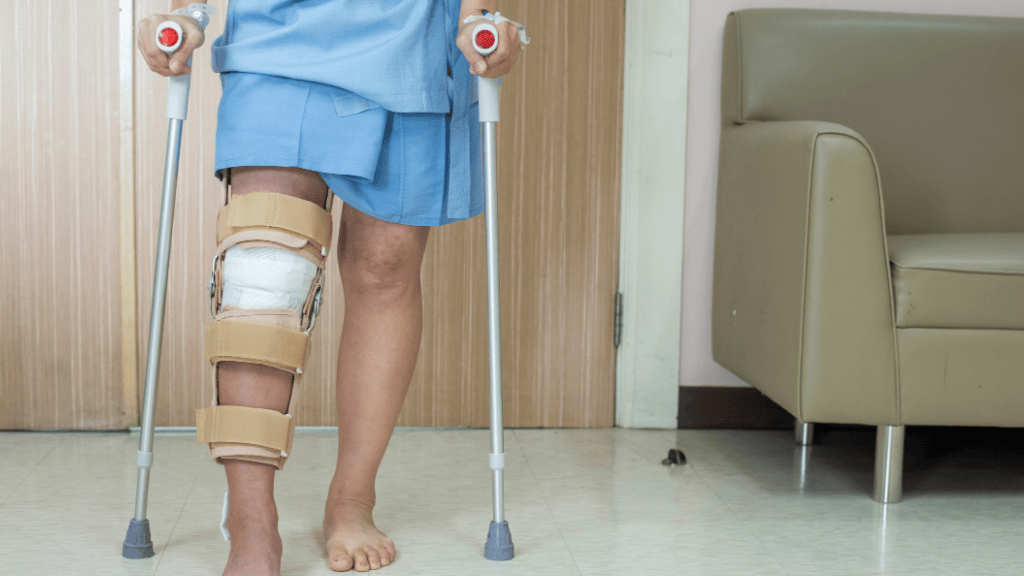
Recovery after knee replacement surgery is a gradual process that requires patience, commitment, and the right medical guidance. For international patients considering knee replacement in Spain, understanding how recovery unfolds helps reduce uncertainty and set realistic expectations. At Ribera Care International, recovery is treated as an essential part of the treatment journey, not just the final step after surgery.
Knee replacement surgery aims to relieve pain, restore mobility, and improve quality of life. However, the success of the procedure depends not only on the surgical technique, but also on structured rehabilitation, proper follow-up, and active patient participation. This article explains the stages of recovery, how progress typically looks over time, and what outcomes patients can realistically expect.
Why Recovery Matters After Knee Replacement Surgery
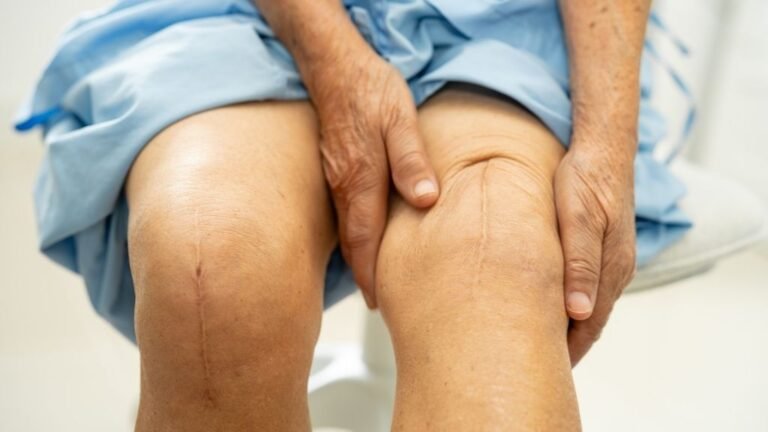
Many patients focus primarily on the surgery itself, but recovery plays an equally important role. Knee replacement involves replacing damaged joint surfaces with a prosthetic implant, which immediately changes how the knee moves and bears weight. Muscles, ligaments, and surrounding tissues need time to adapt.
A well-planned recovery helps:
- Reduce postoperative pain and stiffness
- Restore range of motion and strength
- Improve walking stability and confidence
- Prevent complications such as joint stiffness or muscle weakness
- Support long-term implant function
At Ribera Care International, recovery protocols are tailored to each patient’s condition, age, and mobility level, ensuring a safe and progressive return to daily activities.
The First Days After Knee Replacement Surgery
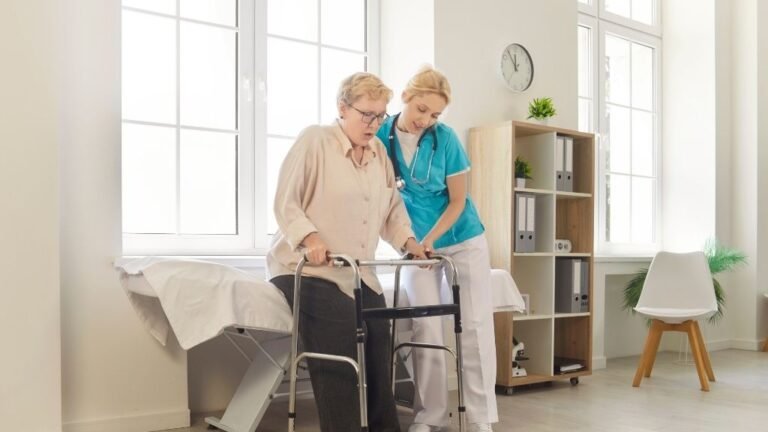
The recovery process begins immediately after surgery. Most patients start moving the knee within the first 24 hours, under professional supervision. Early mobilization is essential to reduce stiffness and promote circulation.
During the first days, patients can expect:
- Controlled postoperative pain managed with medication
- Assistance when standing and walking
- Gentle exercises to activate muscles around the knee
- Swelling and bruising around the joint
Physiotherapists guide patients through basic movements, such as bending and straightening the knee and taking short walks with support. Although movement may feel uncomfortable at first, these early steps are critical for long-term recovery.
Week 1–2: Early Rehabilitation and Mobility
The first two weeks after knee replacement focus on regaining basic independence. Most patients are discharged from the hospital within a few days and continue rehabilitation either in a specialized facility or at home, depending on individual needs.
During this stage, recovery typically includes:
- Increasing walking distance with assistance
- Improving knee bending and extension
- Reducing swelling through movement and positioning
- Learning safe techniques for sitting, standing, and climbing stairs
International patients often choose to remain in Spain during this phase to benefit from supervised physiotherapy before returning home. Ribera Care International helps coordinate rehabilitation plans that fit travel and recovery timelines.
Weeks 3–6: Building Strength and Confidence
As healing progresses, patients usually notice gradual improvements in mobility and comfort. Pain becomes more manageable, and reliance on walking aids decreases.
Key goals during this stage include:
- Achieving functional knee range of motion
- Strengthening quadriceps and hamstring muscles
- Improving balance and coordination
- Walking more independently
Physiotherapy sessions become more active, focusing on controlled strengthening exercises and functional movements. Patients may begin to resume light daily activities, although high-impact movements are still avoided.
Months 2–3: Functional Recovery
By the second or third month, many patients experience a significant improvement in daily function. Walking becomes more natural, swelling continues to decrease, and confidence in the new knee increases.
At this point, recovery focuses on:
- Enhancing muscle endurance
- Improving gait pattern
- Increasing walking distance
- Returning to low-impact activities
While progress varies from patient to patient, this phase often marks the transition from rehabilitation to functional independence. Ribera Care International continues to provide follow-up guidance to ensure recovery stays on track, even after patients return to their home country.
Long-Term Recovery and Expected Outcomes
Full recovery after knee replacement surgery can take several months. Some patients continue to notice improvements in strength, flexibility, and comfort up to a year after surgery.
Realistic long-term outcomes include:
- Significant reduction in chronic knee pain
- Improved ability to walk and perform daily tasks
- Better sleep and overall quality of life
- Increased independence
While the artificial joint does not feel exactly like a natural knee, most patients report that it allows them to return to an active and more comfortable lifestyle.
Factors That Influence Recovery Speed
Recovery does not follow the same timeline for everyone. Several factors influence how quickly and smoothly patients recover after knee replacement surgery, including:
- Overall physical condition before surgery
- Muscle strength and flexibility
- Consistency with physiotherapy
- Age and general health
- Presence of other joint or medical conditions
Understanding these factors helps patients set realistic expectations and avoid unnecessary frustration during the recovery process.
Common Challenges During Recovery
It is normal to face challenges during recovery. Temporary stiffness, swelling, or fatigue can occur, especially after physiotherapy sessions. Some patients may feel discouraged if progress seems slow.
Common concerns include:
- Difficulty bending the knee initially
- Sensitivity around the surgical area
- Fear of movement or falling
- Uneven progress from week to week
Clear communication with the medical team and adherence to rehabilitation guidelines help address these challenges effectively. Ribera Care International emphasizes patient education to ensure individuals feel supported throughout recovery.
Rehabilitation and Follow-Up for International Patients
For international patients, continuity of care is particularly important. Before returning home, patients receive detailed rehabilitation instructions and follow-up plans. Remote consultations and medical reports allow local physiotherapists to continue treatment based on the surgeon’s recommendations.
This coordinated approach helps maintain recovery momentum and ensures that patients feel confident once they leave Spain.
Why Choose Spain for Knee Replacement Recovery
Spain has become a preferred destination not only for knee replacement surgery, but also for recovery. Modern hospitals, experienced physiotherapy teams, and a patient-centered approach create an environment that supports healing.
Ribera Care International offers:
- Coordinated surgical and rehabilitation care
- Clear communication in English
- Personalized recovery planning
- Structured follow-up for international patients
This integrated model helps patients focus on recovery without unnecessary stress.
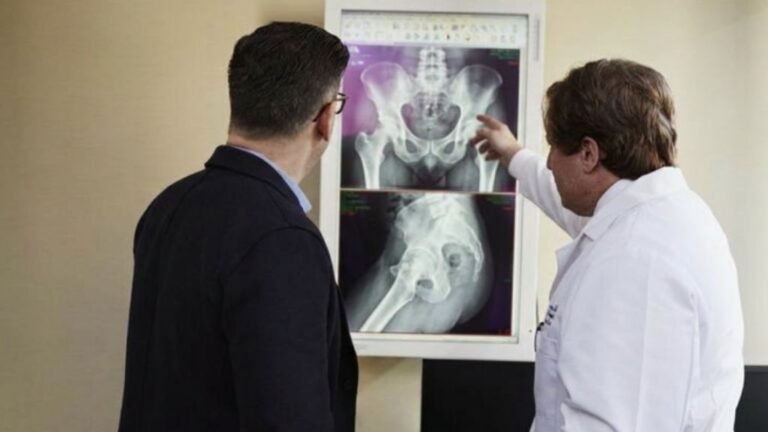
As part of its comprehensive orthopedic services, Ribera Care International offers hip replacement surgery in Spain for patients seeking long-term relief from chronic hip pain and limited mobility.
Frequently Asked Questions About Recovery After Knee Replacement Surgery in Spain
How long does recovery after knee replacement surgery take?
Is pain normal during recovery?
Can international patients recover safely after returning home?
When can I walk without assistance after knee replacement surgery?
Can I receive knee replacement surgery and recovery support through Ribera Care International?
If you are considering knee replacement surgery in Spain and would like to understand what recovery will look like in your specific case, you can contact Ribera Care International for a personalized treatment and rehabilitation plan.
This article is for informational purposes only and should not replace professional medical advice. Always consult a qualified specialist regarding your individual case.