Hemorrhoids are a common condition, but when symptoms persist or worsen over time, they can significantly affect daily comfort and quality of life. If you are experiencing ongoing discomfort, bleeding, or prolapse, you may be wondering when hemorrhoid surgery becomes the best treatment option. Understanding when to move from conservative care to surgical treatment is key to making an informed decision.
For many international patients, especially from Ireland, the UK, and across Europe, timely access to specialist care is essential. In this context, hemorrhoid surgery in Spain has become an increasingly considered option, offering structured care pathways, modern techniques, and shorter waiting times.
This article explains when surgery is recommended, what treatment options exist, and what you can expect before and after hemorrhoid surgery.
What Are Hemorrhoids and Why Do They Occur?
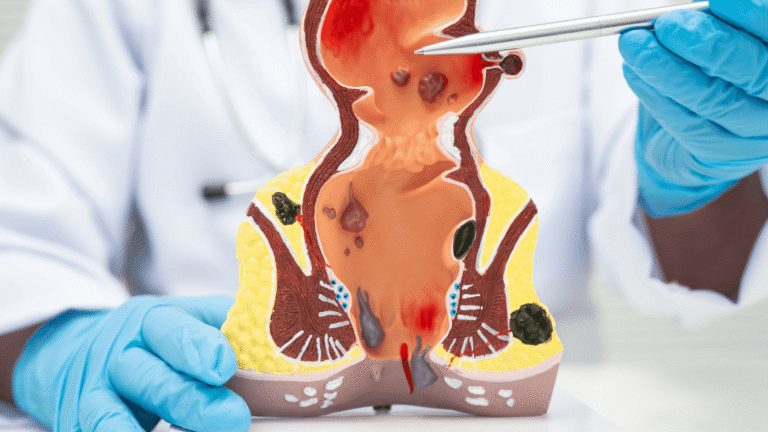
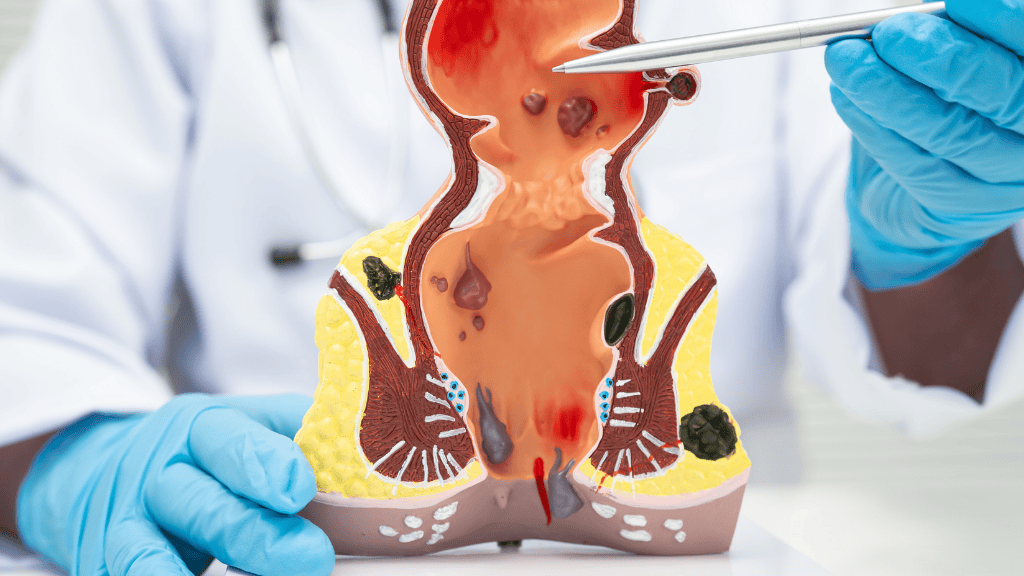
Hemorrhoids are swollen veins located in the lower rectum or around the anus. They can be internal (inside the rectum) or external (under the skin around the anus). While they are common, especially with age, lifestyle factors such as chronic constipation, prolonged sitting, or straining during bowel movements can contribute to their development.
In many cases, symptoms are mild and can be managed with conservative hemorrhoid treatment, including dietary adjustments, increased fibre intake, and topical therapies.
Common Symptoms of Hemorrhoids
Hemorrhoids can present with different symptoms depending on their type and severity. While some cases are mild, others may progressively affect daily comfort and require medical evaluation. The most common symptoms of hemorrhoids include:
- Bright red bleeding during or after bowel movements
- Pain or discomfort, especially when sitting or passing stool
- Itching or irritation around the anal area
- A feeling of swelling or a lump near the anus
- Prolapse, where hemorrhoids protrude outside the anus
Symptoms may vary over time. In early stages, they may be occasional and manageable, but persistent or worsening symptoms could indicate the need for specialist assessment and possible treatment.

When Is Surgery the Best Treatment for Hemorrhoids?
Hemorrhoid surgery is not always the first step. In many cases, symptoms can be managed with lifestyle changes and medical treatment. However, surgery becomes a more appropriate option when symptoms persist or the condition progresses. Hemorrhoids are often classified into different grades, depending on their severity:
- Grade I–II: Mild cases that usually respond to conservative treatment
- Grade III: Prolapse that may require manual repositioning
- Grade IV: Persistent prolapse that cannot be repositioned and may require surgery
Surgery may be the best treatment option in the following situations:
- Persistent bleeding despite treatment
- Chronic pain or discomfort affecting daily life
- Prolapsed hemorrhoids that do not return to their normal position
- Recurrent symptoms after previous treatments
- Advanced (Grade III–IV) hemorrhoids
In these cases, surgical treatment aims to correct the structural problem and provide long-term symptom relief.
Types of Hemorrhoid Surgery
Modern colorectal surgery offers several approaches, depending on the severity of the condition and the patient’s clinical profile. Common options include:
- Conventional hemorrhoidectomy
- Stapled hemorrhoidopexy
- Doppler-guided hemorrhoidal artery ligation
- Minimally invasive procedures for selected cases
The choice of technique depends on the type and grade of hemorrhoids, as well as the surgeon’s evaluation. To learn more about available procedures, you can explore our page about General Surgery.
Hemorrhoid Surgery vs Non-Surgical Treatment
Patients often wonder whether surgery is necessary or if non-surgical options are sufficient. The decision depends on symptom severity and response to treatment.
| Aspect | Non-Surgical Treatment | Surgical Treatment |
|---|---|---|
| Purpose | Relieves symptoms | Addresses structural cause |
| Best for | Mild to moderate cases | Moderate to severe or recurrent cases |
| Recovery | Minimal | Short recovery period depending on technique |
| Long-term results | May require ongoing management | More durable symptom relief |
While non-surgical approaches are effective in early stages, surgery becomes a more reliable option when symptoms persist or worsen.
What to Expect During Hemorrhoid Surgery
Hemorrhoid surgery is typically performed under regional or general anaesthesia. The exact procedure depends on the selected technique. In general, the process includes:
- Assessment and preparation before surgery
- Targeted treatment or removal of hemorrhoidal tissue
- Control of bleeding
- Post-operative monitoring before discharge
Most procedures are completed within a short timeframe, and hospital stay is usually brief depending on individual recovery.
Recovery After Hemorrhoid Surgery
Recovery after hemorrhoid surgery typically follows a gradual progression, with improvement in symptoms over the first days and weeks. During the initial period, it is common to experience some discomfort or sensitivity, which usually decreases with appropriate care. In general, hemorrhoid surgery recovery time may involve:
- Resuming light daily activities within a few days
- Returning to work depending on the surgical technique and individual healing
- Gradual recovery over several weeks in some cases
Following medical advice is essential for a smooth recovery. Maintaining good hydration, following a fibre-rich diet, and avoiding straining during bowel movements can help support healing and reduce discomfort.
Hemorrhoid Surgery in Spain: An Option for International Patients
Many patients consider hemorrhoid surgery in Spain when looking for timely access to specialist care and modern surgical techniques. For individuals facing long waiting times in their home country, travelling for treatment can provide a practical alternative.
Ribera Medical Center offers coordinated care for international patients, from initial medical review to post-operative follow-up. This structured approach ensures clarity, safety, and continuity of care.
For many patients from Ireland, the UK and other countries, long waiting times for elective procedures are a key concern. Accessing hemorrhoid surgery in Spain allows patients to receive timely treatment in a structured and coordinated environment, reducing delays and improving overall experience.

Patients also benefit from access to a broader network of specialties, including orthopedics and traumatology for knee and hip replacement.
Frequently Asked Questions about Hemorrhoids
Is hemorrhoid surgery always necessary?
Is hemorrhoid surgery painful?
How long does hemorrhoid surgery recovery take?
Can hemorrhoids come back after surgery?
Can I receive hemorrhoid surgery in Spain through Ribera Care International?
How to Access Hemorrhoid Surgery in Spain
If you are experiencing persistent hemorrhoid symptoms and want to understand whether surgery is the right option for you, a specialist evaluation is the first step.
To receive personalised information about your treatment options, contact our international patient team through the contact form: