
Living with urinary symptoms caused by an enlarged prostate can gradually affect your quality of life. If you are researching holep surgery in Spain, you are likely looking for a solution that is effective, safe, and offers a fast recovery. Holmium laser prostate surgery, also known as Holmium Laser Enucleation of the Prostate, has become one of the most advanced options for treating benign prostatic hyperplasia (BPH).
For many international patients from Ireland, the UK, and across Europe, access to timely and minimally invasive prostate treatment is a key concern. Spain has become an increasingly attractive destination for private urology care, combining medical expertise with shorter waiting times and personalised attention.
This article explains what the HoLEP procedure involves, who is a suitable candidate, how it compares to traditional techniques, and what recovery looks like when choosing holep surgery in Spain.
What Is Holmium Laser Enucleation of the Prostate (HoLEP)?
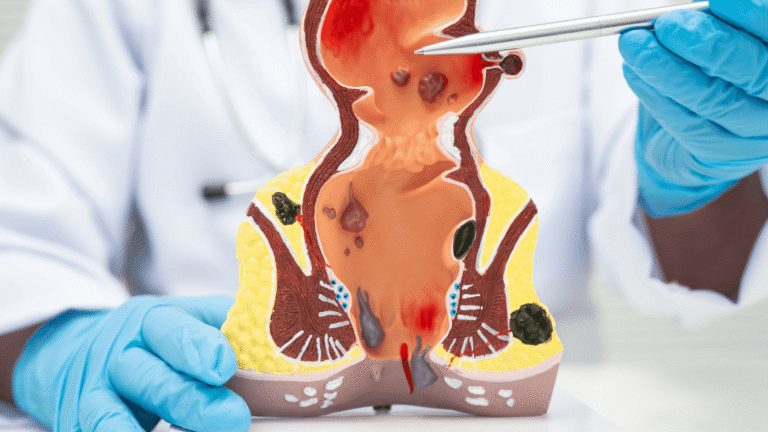
Holmium laser enucleation of the prostate is a type of minimally invasive prostate surgery used to treat benign prostatic hyperplasia. BPH is a non-cancerous enlargement of the prostate gland that can obstruct the flow of urine.
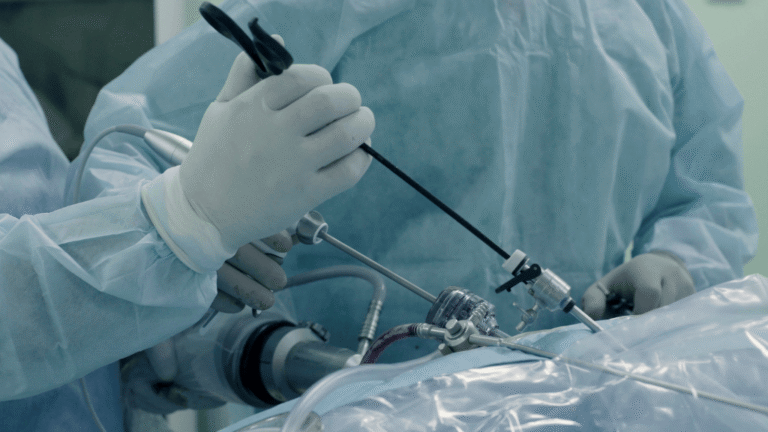
During holmium laser prostate surgery, a urologist uses a high-energy laser to remove the excess prostate tissue that is blocking the urethra. The tissue is then extracted from the bladder and sent for analysis if needed.
Unlike traditional open surgery, the HoLEP procedure is performed endoscopically. This means:
- No external incision is required
- The surgery is done through the natural urinary channel
- Blood loss is typically reduced compared to older techniques
Because of these characteristics, HoLEP is considered a laser prostate surgery option with a strong safety profile when performed by experienced specialists.
Why Does the Prostate Enlarge?
The prostate naturally grows with age. In many men over 50, this growth becomes excessive and leads to BPH. Common symptoms include:
- Weak urinary stream
- Difficulty starting urination
- Frequent need to urinate, especially at night
- Feeling that the bladder does not empty completely
When medication is no longer effective, enlarged prostate surgery may be recommended. At this stage, understanding the different benign prostatic hyperplasia treatment options becomes essential.
HoLEP Surgery in Spain: Why Patients Consider It
For many patients in Ireland or the UK, prostate surgery waiting time can be long. Delays can significantly impact daily comfort and sleep quality.
Choosing holep surgery in Spain offers several practical advantages:
- Faster access to specialist evaluation
- Modern operating facilities
- Coordinated care for international patients
- Clear communication in English
At Ribera Care International, patients benefit from structured pathways designed specifically for cross-border healthcare. The team supports travel planning, medical documentation, and post-operative follow-up coordination with your local doctor.
Spain is already recognised for high-level surgical services across specialties such as hip replacement, knee replacement, and shoulder surgery. The same standards of care extend to urology surgery in Spain, including advanced prostate laser treatment.
Who Is a Candidate for HoLEP Surgery?
HoLEP surgery is typically recommended for men who:
- Have moderate to severe urinary symptoms
- Do not respond adequately to medication
- Have significantly enlarged prostates
- Experience urinary retention
One of the advantages of the holep procedure is that it can be suitable for larger prostates, where other techniques may be less effective.
However, final suitability depends on individual evaluation by a urologist. A thorough assessment usually includes:
- Medical history review
- Physical examination
- Ultrasound or imaging tests
- Urinary flow studies
At Ribera Care International, evaluation is personalised and adapted to international patients who may send initial medical records digitally before travelling.
HoLEP vs TURP: What’s the Difference?
When researching BPH surgery, many patients compare HoLEP vs TURP to understand which option may be more suitable.
TURP (Transurethral Resection of the Prostate) has been a standard surgical treatment for benign prostatic hyperplasia for many years. However, holmium laser enucleation of the prostate has emerged as a modern alternative in selected cases.
Here is a clear comparison:
| Feature | HoLEP (Holmium Laser Enucleation) | TURP (Transurethral Resection) |
|---|---|---|
| Surgical technique | Uses a holmium laser to enucleate obstructive prostate tissue | Uses an electrical loop to resect tissue piece by piece |
| Incisions | No external incision | No external incision |
| Suitable prostate size | Effective for small, medium and large prostates | Traditionally recommended for small to medium prostates |
| Bleeding risk | Laser technology may reduce intraoperative bleeding | Slightly higher bleeding risk compared to laser techniques |
| Tissue removal | Removes a larger amount of obstructive tissue | Removes tissue in smaller fragments |
| Long-term durability | Lower likelihood of needing repeat surgery in larger prostates | May require re-treatment in some cases |
| Hospital stay | Usually short | Usually short |
| Recovery | Gradual improvement in urinary flow | Gradual improvement in urinary flow |
Both techniques are effective forms of enlarged prostate surgery. The most appropriate option depends on prostate size, patient health status, and the surgeon’s experience.
For many international patients considering holep surgery in Spain, the laser approach is attractive due to its minimally invasive profile and suitability for larger prostates. However, a personalised urological evaluation is essential before deciding.
What Happens During the HoLEP Procedure?
The holep procedure is performed under spinal or general anaesthesia. The surgeon inserts a thin instrument through the urethra to access the prostate.
The steps typically include:
- Identification of the obstructing prostate tissue
- Laser enucleation of the enlarged portions
- Transfer of tissue into the bladder
- Removal of tissue fragments
No external incision is made. A urinary catheter is usually placed temporarily to allow proper healing and drainage.
The entire process is highly technical, which is why experience in holmium laser enucleation of the prostate is important when choosing a centre.
Recovery After Holmium Laser Prostate Surgery
Understanding prostate surgery recovery time is a major concern for patients travelling abroad.
- Short hospital stay
- Temporary urinary urgency or mild discomfort
- Gradual improvement of urinary flow
The catheter is typically removed within a short period, depending on individual progress. Patients are encouraged to avoid heavy physical activity for several weeks.
Holep recovery time varies, but many men return to normal daily routines relatively quickly compared to traditional open surgery.
As with any procedure, holep complications are possible, though serious issues are uncommon when surgery is performed in experienced centres. Discussing risks openly with your surgeon is an essential part of informed decision-making.
Long-Term Results and HoLEP Benefits
The goal of any prostate enlargement treatment is not only to relieve urinary symptoms, but to restore comfort, sleep quality, and daily confidence in the long term.
Holmium laser prostate surgery is designed to remove the obstructive portion of the prostate in a comprehensive way. Because the excess tissue is enucleated rather than partially resected, outcomes tend to be durable when the procedure is performed by experienced urologists.
Key HoLEP benefits include:
- Significant and sustained improvement in urinary flow
- Reduced likelihood of needing repeat surgery compared to some traditional techniques
- Effective treatment for large prostates
- Short hospital stay
- Minimally invasive approach with no external incision
For many men with moderate to severe benign prostatic hyperplasia, HoLEP surgery in Spain represents a modern and reliable option, particularly when long-term symptom control is a priority.
While no surgical technique is free from potential risks, holmium laser enucleation of the prostate has become an established alternative for patients seeking a minimally invasive prostate surgery approach with durable results.
The final decision should always follow a personalised urological assessment, taking into account prostate size, general health, and individual expectations.
Receiving Private Prostate Surgery in Spain
Many European patients explore private prostate surgery in Spain when they want:
- Reduced waiting times
- Personalised care
- Access to modern surgical techniques
Ribera Care International coordinates urology surgery in Spain within a broader network that also includes orthopedics and traumatology and advanced spinal surgery services. The same infrastructure that supports complex procedures such as lumbar spine operations or hip replacement at Ribera International ensures consistent surgical standards across departments.
For patients who require additional specialties, access to cardiology, general surgery, or ophthalmology services is available within the same healthcare ecosystem.
This integrated model can be reassuring for patients travelling from abroad.
Frequently Asked Questions about Holmium Laser Prostate
Is HoLEP surgery painful?
How long does HoLEP recovery take?
Is HoLEP better than TURP?
Can I travel for HoLEP surgery in Spain?
What follow-up is needed after surgery abroad?
Can I receive HoLEP surgery in Spain through Ribera Care International?
Before travelling, your medical reports can be reviewed remotely to confirm suitability for holmium laser prostate surgery. Once in Spain, the urology team performs the procedure in modern hospital facilities using minimally invasive techniques.
Ribera Care International also provides structured support throughout the process, including treatment planning, English-speaking coordination, and post-operative follow-up guidance to ensure continuity of care once you return home.
Why Consider Spain for Your Prostate Treatment?
Spain has become a recognised destination for advanced surgical care, particularly for European patients seeking timely access to treatment. From orthopedics and traumatology to spinal surgery and urology, international care pathways are well established.
Choosing holep surgery in Spain allows patients to combine clinical expertise with efficient organisation and personalised support. If you are experiencing persistent urinary symptoms and considering surgical options, understanding all available treatments is the first step toward informed decision-making.
To learn more about receiving holmium laser prostate surgery through Ribera Care International, you can contact the international patient team.