Receiving a prostate cancer diagnosis is a life-altering moment that brings a wave of difficult decisions, the most critical being the choice of treatment. For many men, the crossroad lies between surgical intervention and radiation. At Ribera Medical Center, we understand that every patient’s journey is unique, and our mission is to provide the clinical excellence and personalized guidance needed to navigate these options. Whether you are traveling from Ireland, the UK, or elsewhere in Europe, choosing the right path is essential for both curing the cancer and maintaining your quality of life.
Navigating Your Treatment Options: Surgery vs. Radiation
When localized prostate cancer is detected, the two primary curative treatments are Radical Laparoscopic Prostatectomy and Radiotherapy. Both aim to eliminate the cancer, but they achieve this through very different methods. Choosing between them involves balancing clinical factors, such as the grade of the tumor, with personal preferences regarding recovery time and potential side effects.
At Ribera Care International, we see many patients who feel overwhelmed by the waiting lists in their home countries. By choosing to undergo treatment in Spain, patients gain access to world-class urological surgeons and oncologists who utilize the latest technology to ensure the best possible outcomes.
Radical Laparoscopic Prostatectomy: The Surgical Approach
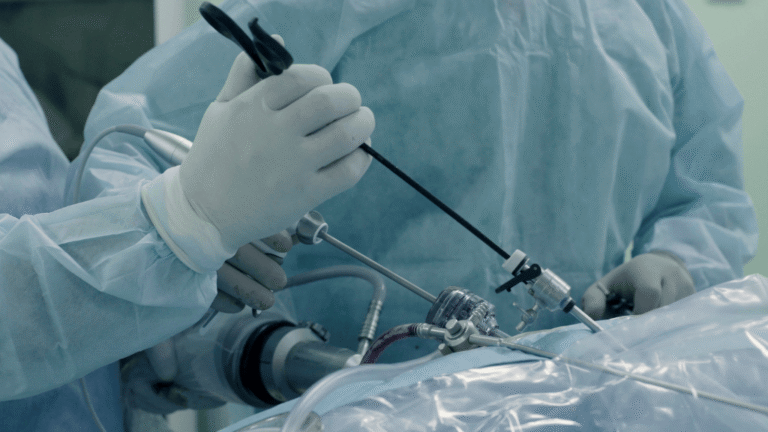
Radical Laparoscopic Prostatectomy is a minimally invasive surgical procedure to remove the entire prostate gland and surrounding tissues. Unlike traditional open surgery, the laparoscopic approach uses small incisions, a camera, and specialized instruments.
Advantages of Laparoscopic Surgery at Ribera Medical Center
The primary benefit of surgery is the definitive removal of the cancerous gland. This allows for an immediate and precise pathological analysis of the tumor. Furthermore, if surgery is performed first, radiotherapy remains an option later if the cancer returns.
Our surgical teams are also highly experienced in other complex procedures, often treating patients who require a hip replacement, knee replacement, or even shoulder surgery. This multidisciplinary expertise ensures that your overall health is managed with the highest standards of safety.
Radiotherapy: The Non-Surgical Alternative
Radiotherapy uses high-energy beams to kill cancer cells. It is a non-invasive option that avoids the risks associated with general anesthesia and surgery. Modern radiotherapy, such as IMRT (Intensity-Modulated Radiation Therapy), allows for high doses of radiation to be targeted directly at the prostate while sparing the surrounding healthy organs like the bladder and rectum.
For many men, radiotherapy is the preferred choice if they have underlying health conditions that make surgery risky. However, unlike surgery, the prostate remains in the body, and the “PSA drop” after treatment is gradual rather than immediate.
Comparing Surgery and Radiotherapy: Which Is Right for You?
The “best” treatment depends on several factors, including your age, overall health, and the specific characteristics of your cancer.
Comparison Table: Prostatectomy vs. Radiotherapy
| Feature | Radical Laparoscopic Prostatectomy | Radiotherapy (External Beam) |
| Method | Surgical removal of the prostate. | High-energy beams to kill cancer. |
| Invasiveness | Minimally invasive surgery. | Non-invasive. |
| Hospital Stay | Usually 2–3 days. | Outpatient (daily sessions). |
| Recovery Time | 4–6 weeks for full activity. | No “recovery” but cumulative fatigue. |
| PSA Monitoring | Should drop to undetectable levels. | Gradual decline over months. |
| Main Benefit | Complete removal of the tumor. | No surgery or anesthesia required. |
It is worth noting that at Ribera Care International, we offer advanced alternatives for other urological conditions, such as the HoLEP surgery in Spain for benign prostatic hyperplasia. Understanding all available technologies is key to a successful recovery.

Potential Side Effects and Quality of Life
Both treatments carry risks of side effects, primarily involving urinary control and sexual function.
- Surgery: May cause immediate stress incontinence, which usually improves over time. Erectile dysfunction is a risk, although “nerve-sparing” techniques used at Ribera Medical Center help preserve function in many cases.
- Radiotherapy: May cause “urgency” symptoms in the bladder or bowel. Sexual dysfunction may develop more gradually over several years following treatment.
Our specialists in general surgery and urology work together to provide a comprehensive post-operative or post-radiation plan to manage these side effects effectively.
Why Choose Ribera Care International in Spain?
Choosing Spain for your prostate cancer treatment means bypassing long public health waiting lists and accessing private, high-end medical care at a competitive cost. From the moment you contact Ribera Care International, we handle the logistics so you can focus on your health.
Whether you need prostate cancer care or are seeking other specialized services like hemorrhoid surgery in Spain, our facilities are equipped with the latest diagnostic and therapeutic tools. Our international patient department provides support in English, ensuring clear communication at every stage of your treatment.
Frequently Asked Questions (FAQ) about Prostate Cancer
Is Laparoscopic Prostatectomy better than open surgery?
How long do I need to stay in Spain for treatment?
Will I be incontinent after surgery?
Can I undergo this treatment in Spain if I am traveling from Ireland, the UK, or elsewhere?
What is the success rate of these treatments?
Take Control of Your Health at Ribera Medical Center
Choosing between surgery and radiotherapy is a personal decision that should be made with the guidance of experts. At Ribera Medical Center, we provide the clarity and advanced medical technology you need to make that choice with confidence.
Do not let a diagnosis define your future. Take the next step toward recovery and contact our team today to discuss your options for prostate cancer treatment in Spain.