Recovery after hip replacement surgery is a progressive process that focuses on restoring mobility, reducing pain, and helping patients regain independence in daily life. For international patients considering hip replacement surgery in Spain, understanding how recovery unfolds provides reassurance and helps set realistic expectations. At Ribera Care International, recovery is considered a fundamental part of treatment, not simply the period that follows surgery.
Hip replacement surgery aims to relieve chronic pain caused by joint degeneration and improve overall quality of life. While surgical technique is important, long-term success depends equally on early mobilization, structured rehabilitation, and patient engagement. This article explains the stages of recovery after hip replacement surgery, how progress typically develops over time, and what outcomes patients can realistically expect.
Why Recovery Matters After Hip Replacement Surgery
Many patients focus mainly on the operation itself, but recovery plays a crucial role in the final outcome. Hip surgery involves removing damaged joint surfaces and replacing them with a prosthetic implant, which immediately changes how the hip moves and bears weight. Muscles, tendons and surrounding soft tissues need time to adapt to the new joint.
A well-planned recovery helps patients:
- Walk safely and confidently again
- Reduce postoperative pain and stiffness
- Restore balance and coordination
- Prevent complications such as joint instability
- Regain independence in daily activities
At Ribera Care International, recovery protocols are adapted to each patient’s physical condition, age and mobility goals, ensuring a gradual and safe return to normal movement.
The First Days After Hip Replacement Surgery
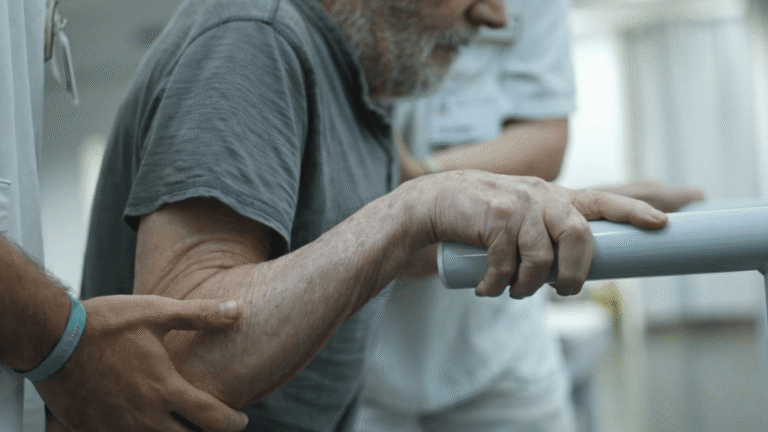
Recovery begins immediately after surgery. In many cases, patients start standing and walking on the same day or within the first 24 hours, always under professional supervision. Early mobilization is essential to promote circulation, reduce stiffness and build confidence.
During the first days after hip replacement surgery, patients typically experience:
- Controlled postoperative pain managed with medication
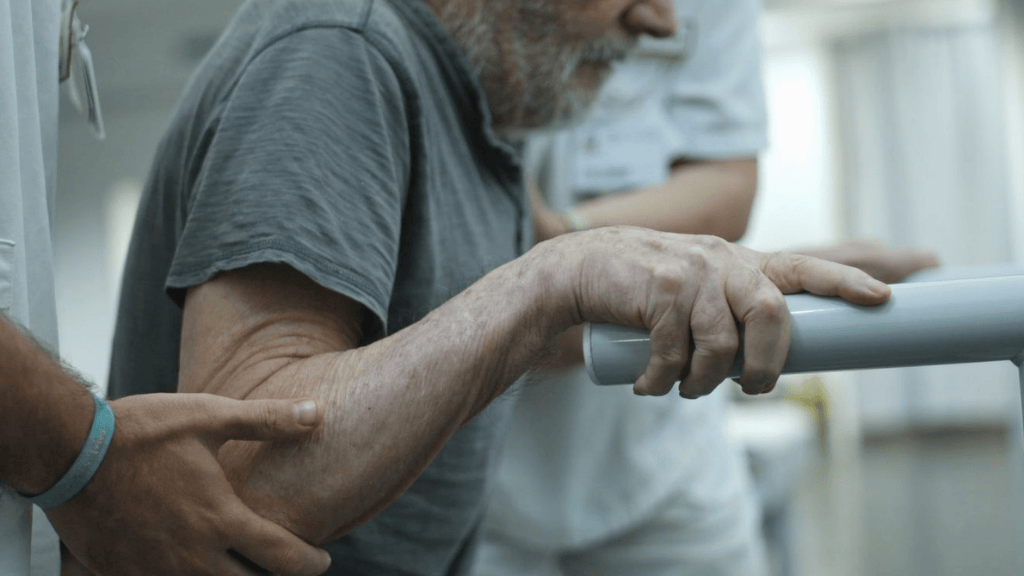
- Assistance when standing, walking and changing positions
- Simple exercises to activate hip and leg muscles
- Temporary swelling and bruising around the surgical area
Physiotherapists guide patients through safe movements, focusing on posture, balance and correct walking technique. Although movement may feel unfamiliar at first, these early steps are essential for a successful recovery.
Week 1–2: Early Mobility and Walking Confidence
The first two weeks focus on regaining basic independence and confidence while walking. Most patients are discharged from the hospital after a few days and continue rehabilitation either in a specialized recovery facility or at home.
During this stage, recovery usually includes:
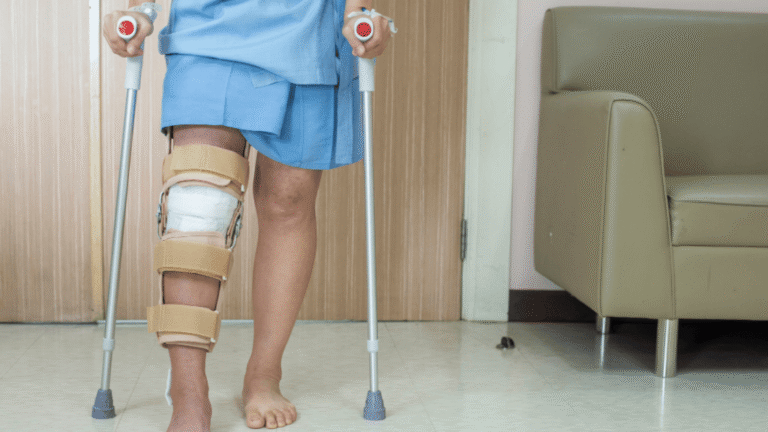
- Walking with support, such as a walker or crutches
- Gradually increasing walking distance
- Learning safe techniques for sitting, standing and getting into bed
- Avoiding specific movements recommended by the surgical team
International patients often choose to remain in Spain during this phase to benefit from supervised physiotherapy. Ribera Care International helps coordinate recovery plans that align with travel arrangements and individual mobility needs.
Weeks 3–6: Regaining Strength and Daily Independence
As healing progresses, patients typically notice steady improvements in comfort and mobility. Pain decreases, movement feels more natural, and reliance on walking aids gradually reduces.
Key goals during this phase include:
- Strengthening hip and leg muscles
- Improving balance and coordination
- Walking more confidently indoors and outdoors
- Resuming light daily activities
Physiotherapy sessions become more active, focusing on controlled strengthening and functional exercises. Many patients begin to manage daily routines independently, although high-impact activities and sudden movements are still avoided.
Months 2–3: Functional Recovery and Lifestyle Improvements
By the second or third month, many patients experience a noticeable improvement in overall function. Walking becomes smoother, endurance increases, and confidence in the new hip grows.
At this stage, recovery focuses on:
- Increasing walking distance and stamina
- Improving gait and posture
- Returning to social and recreational activities
- Resuming travel and everyday routines
Progress varies between individuals, but this phase often marks the transition from rehabilitation to functional independence. Ribera Care International continues to provide follow-up guidance to ensure recovery remains on track, even after patients return home.
Long-Term Recovery and Expected Outcomes
Full recovery after hip replacement surgery can take several months, with gradual improvements continuing up to a year after surgery. Most patients report a significant reduction in pain and a clear improvement in mobility.
Realistic long-term outcomes include:
- Substantial relief from chronic hip pain
- Improved ability to walk and stand for longer periods
- Better balance and stability
- Enhanced quality of life and independence
Although the artificial joint does not feel exactly like a natural hip, most patients find that it allows them to move more freely and comfortably than before surgery.
Factors That Influence Recovery Speed After Hip Replacement
Recovery timelines differ from one patient to another. Several factors influence how quickly and smoothly recovery progresses, including:
- Physical condition before surgery
- Muscle strength and balance
- Consistency with physiotherapy
- Age and general health
- Confidence when resuming movement
Understanding these factors helps patients maintain realistic expectations and approach recovery with patience and confidence.
Common Challenges During Hip Replacement Recovery
It is normal to encounter challenges during recovery. Temporary stiffness, fatigue or uncertainty when walking can occur, especially in the early weeks.
Common concerns include:
- Fear of falling or losing balance
- Sensation of the leg feeling different or unfamiliar
- Fatigue after walking longer distances
- Uneven progress from week to week
Clear communication with the medical team and adherence to rehabilitation guidance help address these challenges effectively. Ribera Care International places strong emphasis on patient education so individuals feel supported throughout the recovery process.
Rehabilitation and Follow-Up for International Patients
For international patients, continuity of care is particularly important. Before returning home, patients receive detailed rehabilitation instructions and follow-up plans. Medical reports and remote consultations allow local physiotherapists to continue treatment according to the surgeon’s recommendations.
This coordinated approach helps maintain recovery momentum and ensures patients feel confident once they leave Spain.
Why Choose Spain for Hip Replacement Recovery
Spain has become a preferred destination not only for hip replacement surgery, but also for recovery. Modern hospitals, experienced rehabilitation teams and a patient-centered approach create an environment that supports healing and mobility.
Ribera Care International offers:
- Coordinated surgical and rehabilitation care
- Clear communication in English
- Personalized recovery planning
- Structured follow-up for international patients
This integrated model allows patients to focus fully on recovery without unnecessary stress. Patients exploring joint replacement options may also find it useful to understand how recovery differs after knee surgery, including the specific stages and expected outcomes following knee replacement surgery.
Patient testimonials after hip replacement surgery often highlight improvements in mobility, reduced pain, and the reassurance of receiving coordinated care throughout the recovery process.
Frequently Asked Questions About Recovery After Hip Replacement Surgery
How long does recovery after hip replacement surgery take?
When can I walk normally after hip replacement surgery?
Are there movements I should avoid after hip replacement surgery?
Can international patients recover safely after returning home?
Can I receive hip replacement surgery and recovery support through Ribera Care International?
If you are considering hip replacement surgery in Spain and would like to understand what recovery will look like in your specific case, you can contact Ribera Care International for a personalized treatment and rehabilitation plan: https://riberacareinternational.com/contact-us/