Advanced knee osteoarthritis can gradually take away something many people take for granted: the ability to move freely without pain. What may begin as occasional discomfort often evolves into persistent knee pain, stiffness, and a growing limitation in everyday activities such as walking, standing, or climbing stairs.
When knee osteoarthritis reaches an advanced stage, understanding which treatments are truly effective becomes essential. In this article, we explain the top treatments for advanced knee osteoarthritis, when surgery becomes the most reliable option, and why many international patients choose Spain and Ribera Care International for definitive knee care.
Understanding Advanced Knee Osteoarthritis
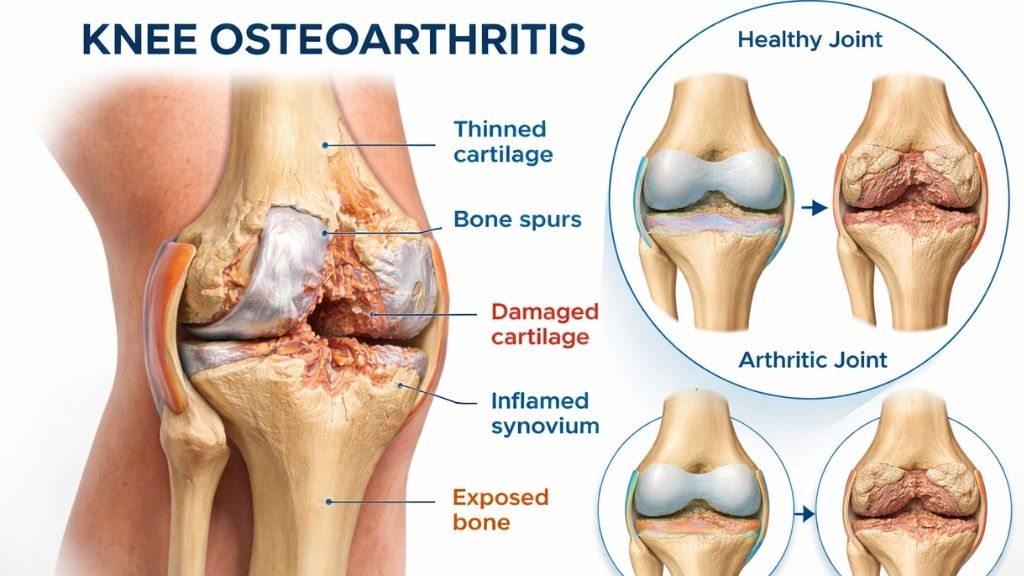
Knee osteoarthritis is a degenerative joint condition caused by the progressive breakdown of cartilage that protects the knee joint. In advanced stages, cartilage loss is extensive, joint space is significantly reduced, and bone-on-bone contact may occur.
Patients with advanced knee osteoarthritis often experience constant pain, swelling, stiffness, and reduced mobility. Activities that once felt simple, such as walking short distances, standing for prolonged periods, or getting up from a chair, can become increasingly difficult. Pain may also persist at rest or during the night, affecting sleep and overall quality of life.
At this stage, the condition is no longer reversible, and treatment goals focus on restoring function and reducing pain in a lasting and meaningful way.
Why Knee Osteoarthritis Progresses to Advanced Stages
Advanced knee osteoarthritis usually develops over time due to a combination of factors. Age-related cartilage degeneration plays a role, but previous knee injuries, meniscus damage, ligament instability, excess body weight, repetitive joint stress, and genetic predisposition can significantly accelerate progression.
While early-stage osteoarthritis may respond to conservative management, advanced disease reflects structural joint damage that cannot be corrected without surgical intervention.
How Advanced Knee Osteoarthritis Is Diagnosed
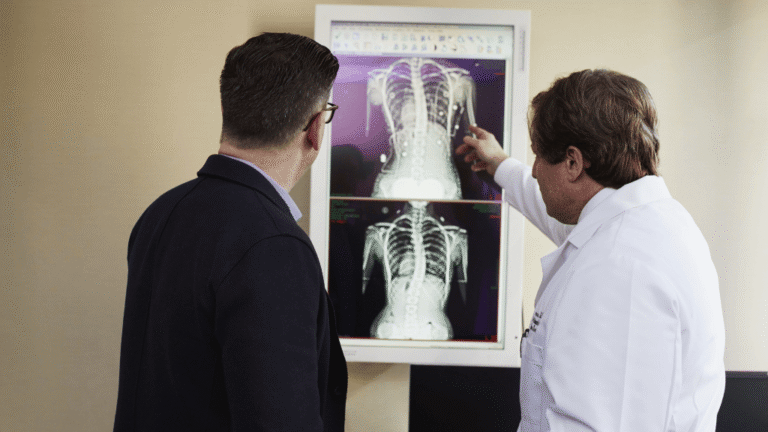
Diagnosis begins with a thorough clinical evaluation, focusing on pain severity, joint stiffness, functional limitations, and the impact on daily life. Imaging studies, such as X-rays or MRI scans, help confirm cartilage loss, joint deformity, and bone changes characteristic of advanced osteoarthritis.
When pain persists despite treatment and significantly limits mobility or independence, surgery is often considered the most effective option.
Non-Surgical Treatments: Their Role and Limitations
In advanced knee osteoarthritis, non-surgical treatments are primarily aimed at managing symptoms rather than resolving the underlying joint damage. Pain relief medications and anti-inflammatory drugs may help reduce discomfort, but they do not stop disease progression.
Physiotherapy can support muscle strength and joint stability, although its benefits tend to decrease as structural damage worsens. Injection-based treatments, such as corticosteroids, hyaluronic acid, or platelet-rich plasma, may provide temporary symptom relief for some patients, but their effects are often limited in advanced cases.
For many individuals, these treatments offer short-term relief but do not restore mobility or eliminate chronic pain.
Top Surgical Treatments for Advanced Knee Osteoarthritis
When conservative treatments are no longer effective, surgery becomes the most reliable solution for advanced knee osteoarthritis.
Total Knee Replacement (Knee Arthroplasty)
Total knee replacement is considered the definitive treatment for advanced knee osteoarthritis. During the procedure, damaged joint surfaces are replaced with a prosthetic implant designed to restore alignment, stability, and smooth joint movement.
Patients typically experience significant pain reduction, improved mobility, and a gradual return to daily activities. For many, knee replacement offers a lasting improvement in quality of life.
Partial Knee Replacement in Selected Patients
In cases where osteoarthritis affects only one compartment of the knee, partial knee replacement may be an option. This procedure preserves more natural bone and tissue and can result in faster recovery for carefully selected patients.
However, partial replacement is not suitable for all cases of advanced osteoarthritis and requires precise evaluation.
Minimally Invasive Knee Replacement Techniques
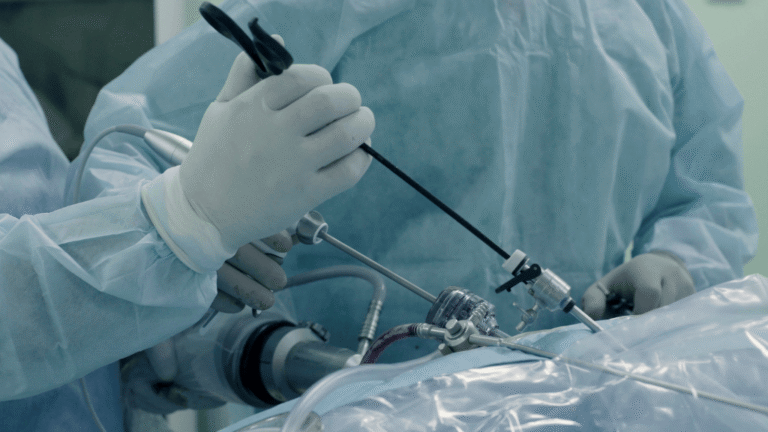
Minimally invasive approaches aim to reduce tissue disruption during surgery. When appropriate, these techniques may help reduce postoperative pain and support faster early recovery, although long-term outcomes remain comparable to standard techniques.
Robotic-Assisted Knee Replacement
Robotic-assisted knee replacement allows surgeons to plan and perform surgery with enhanced precision. By optimizing implant positioning and joint alignment, this approach can contribute to more consistent outcomes and improved joint function, particularly in complex cases.
Choosing the Right Knee Treatment: A Personalized Decision
Selecting the most appropriate treatment for advanced knee osteoarthritis depends on multiple factors, including the extent of joint damage, pain severity, age, activity level, general health, and expectations for recovery and lifestyle after surgery.
At Ribera Care International, treatment decisions are based on a personalized, multidisciplinary evaluation, ensuring that each patient receives the most suitable surgical approach and rehabilitation plan aligned with their individual needs.
Recovery After Knee Replacement Surgery
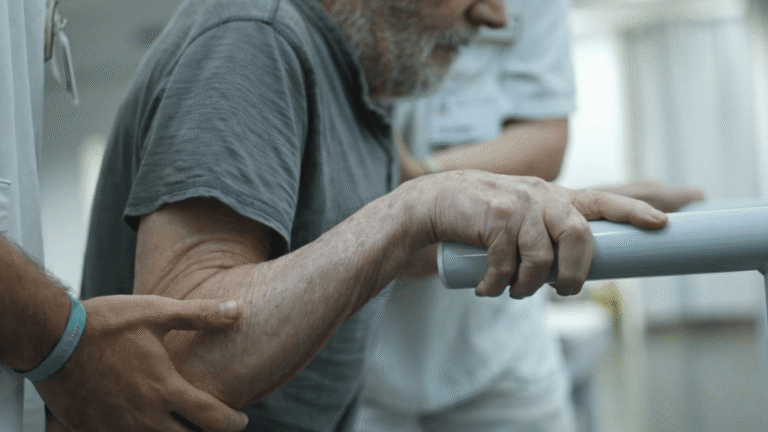
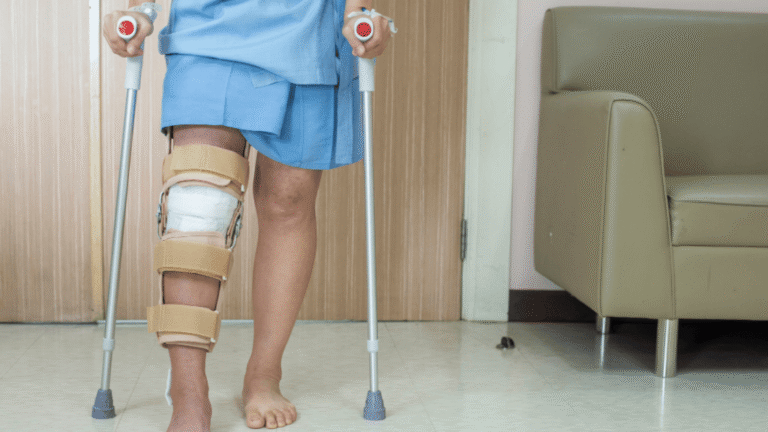
Recovery is often a major concern for patients considering knee replacement surgery abroad. In Spain, modern recovery protocols focus on early mobilization, structured physiotherapy, and close medical follow-up.
Most patients begin walking shortly after surgery and experience gradual improvement over the following weeks. Rehabilitation is essential for restoring strength, joint stability, and confidence in movement, supporting a safe return to everyday activities.
Life After Knee Replacement: What Patients Can Expect
After completing recovery, many patients report a substantial improvement in their quality of life. Chronic knee pain is significantly reduced or eliminated, mobility improves, and daily tasks become easier and less exhausting.
Modern knee implants are designed for durability and long-term performance, offering reliable joint function for patients with advanced osteoarthritis.
Why Many International Patients Choose Spain for Knee Osteoarthritis Treatment
Spain has become a leading destination for orthopedic surgery due to its experienced specialists, advanced surgical technology, integrated rehabilitation services, and high standards of patient safety. Compared to other European countries, Spain also offers shorter waiting times and competitive treatment costs. For international patients, receiving knee replacement surgery in Spain provides access to comprehensive care without unnecessary delays.
International Patient Care at Ribera Care International
Ribera Care International supports international patients throughout every stage of their treatment in Spain, from medical evaluation and surgical planning to rehabilitation and follow-up care. English-speaking medical teams and dedicated international patient services ensure clear communication, coordinated care, and a reassuring experience.
Learn more about our orthopedic services in these articles: Orthopedics and Traumatology and Knee Replacement Surgery.
Knee Replacement and the EU Cross-Border Healthcare Directive
Patients from certain EU countries, including Ireland, may be eligible for reimbursement under the EU Cross-Border Healthcare Directive. This framework allows patients to receive planned medical treatment abroad and seek reimbursement through their national health system, subject to approval.
Frequently Asked Questions about Advanced Knee Osteoarthritis
Is knee replacement always necessary in advanced knee osteoarthritis?
Knee replacement is not always the first option, even in advanced osteoarthritis. Some patients can still manage symptoms temporarily with medication, physiotherapy, or injections. However, when pain becomes constant and quality of life is affected, knee replacement is often the most effective long-term solution.
How do doctors decide between total and partial knee replacement?
The decision depends on how much of the knee joint is affected. Localized damage may allow partial replacement, while widespread degeneration usually requires total knee replacement.
How painful is recovery after knee replacement surgery?
Some discomfort is normal early on, but modern pain management protocols help control symptoms. Most patients experience gradual improvement over the first few weeks.
How long does it take to walk normally after knee replacement?
Most patients begin walking shortly after surgery and regain independent walking within several weeks, with continued improvement over time.
Is knee replacement surgery in Spain safe for international patients?
Yes. Spain follows strict medical standards, and procedures are performed by experienced orthopedic teams using modern technology.
How long do knee implants usually last?
Modern knee implants often last 15–20 years or longer, depending on individual factors such as activity level and overall joint health.
Can international patients receive knee replacement surgery through Ribera Care International?
Yes. Ribera Care International provides comprehensive care for international patients, including evaluation, surgery, rehabilitation, and follow-up.
Take the Next Step
If advanced knee osteoarthritis is limiting your mobility and quality of life, understanding your treatment options is the first step toward lasting relief. Contact us to request a medical assessment.