
Cataract Surgery in Spain – Restore Clear Vision
Tell us about your case
Please let us know what we can help you with and we will get in touch with you shortly about your case.
Tell us about your case
Please let us know what we can help you with and we will get in touch with you shortly about your case.
Cataract surgery is a safe and highly effective procedure that restores clear vision when the eye’s natural lens becomes cloudy. At Ribera, we replace the cloudy lens with a personalized intraocular lens (IOL)—whether monofocal, bifocal, trifocal, or extended depth of focus (EDOF)—based on your specific visual needs.
We rely on state-of-the-art technology to make your experience smooth, fast, and successful. Our team uses femtosecond laser technology for precise incisions, along with advanced digital guidance systems such as Verion™ or ORA™, which enhance surgical planning and optimize lens selection. From your first consultation to post-operative follow-up, we take care of everything. We understand how important it is to feel secure when traveling abroad for treatment, and we’re here to support you every step of the way.
If reading, driving at night, or even recognizing faces is becoming difficult, cataracts may be affecting your quality of life. This surgery is ideal for those who want to regain stable, clear vision—often with the added benefit of reducing or eliminating the need for glasses.
At Ribera, we treat each case individually, considering your lifestyle, age, and visual expectations. Whether you want excellent distance vision or a full range of vision (near, intermediate, and far), we’ll select the most suitable lens for you.
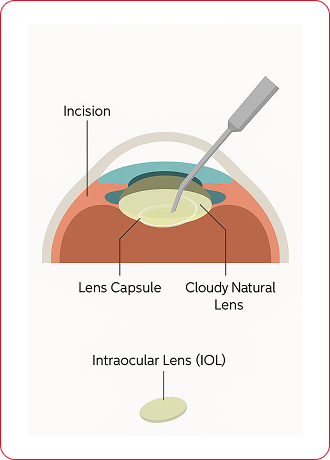
The procedure is performed on an outpatient basis, using local anesthesia and without pain. During surgery, the clouded lens is carefully removed and replaced with an intraocular lens tailored to your needs.
Thanks to femtosecond laser technology, we achieve extraordinary precision. In addition, tools like ORA™ allow us to verify in real time that the implanted lens is the best fit for your eyes. This means a safer procedure, fewer complications, and a faster visual recovery.
In most cases, patients resume their normal activities within just a few days—with vision that can be truly life-changing.
Recovery Time and Success Rates


Advantages Over Other Hospitals
- Use of laser-guided systems and digital planning platforms for maximum precision.
- Expertise in minimally invasive microsurgical techniques that support faster recovery.
- Personalized selection of the ideal intraocular lens based on lifestyle and visual needs.
- Multidisciplinary teams providing comprehensive care, including pre- and post-operative support.
By the Numbers: Trusted Expertise
- Over 1,000 cataract surgeries performed annually across our hospitals
- 98% of patients report successful outcomes and significant visual improvement
- Functional visual recovery in 24 to 72 hours, with full stabilization in just a few weeks
Pre-Procedure Medical Preparation
- Before surgery, you’ll undergo a complete eye evaluation, including biometric measurements, corneal topography, and digital imaging. This allows us to select the intraocular lens (IOL) that best suits your visual needs—whether monofocal, bifocal, trifocal, or extended depth of focus (EDOF). In some cases, treatment for dry eye may be recommended to improve surgical accuracy.
- You’ll be asked to start using antibiotic and/or anti-inflammatory eye drops a few days before the procedure to minimize the risk of infection.
- Do not eat or drink anything (including water, gum, or candy) after midnight on the night before your surgery.
- Some medications, such as blood thinners or diabetes treatments, may need to be adjusted before surgery. Please consult your doctor in advance and bring a list of all current medications.
- We strongly recommend avoiding smoking and alcohol for several days prior to surgery, as both can increase the risk of complications and delay healing.
- Wear loose, comfortable clothing and avoid makeup, perfumes, creams, or jewelry on the day of surgery.
- Your vision may be blurry for a few hours post-procedure. Transportation will be arranged for you to safely return to your hotel where you can recover.
Confirm Consent and Questions
- You will review and sign a surgical consent form and receive clear written and verbal instructions. Take this opportunity to ask any last-minute questions.
- Cataract surgery is an outpatient procedure. After a short observation period, you’ll return home the same day. A protective eye shield or patch may be applied, and you’ll receive your first dose of eye drops before leaving.
Medications
- You’ll continue with a schedule of prescribed antibiotics and anti-inflammatory eye drops over the following days or weeks. It’s essential to follow the schedule strictly to reduce inflammation and prevent infection.
- Avoid touching or rubbing your eye. Keep water, soap, and shampoo away from your eyes for at least the first few days. You may wear sunglasses outdoors to reduce light sensitivity.
Physical Activity
- Most patients can resume light daily activities within 24–48 hours. However, you should avoid heavy lifting, bending over, or any strenuous activity for at least a week. Sleep with the protective shield for the first few nights.
- You’ll have a follow-up visit the day after surgery and another one after a few days or weeks to monitor healing. Prescription for new glasses is usually given about one month after surgery, if needed.
- Stay hydrated and eat a nutritious diet rich in vitamins A and C to support recovery. Continue avoiding alcohol and smoking during the healing period.
Contact your doctor immediately if you experience:
- Sudden or severe eye pain
- Vision loss or increased blurriness
- Intense redness or swelling
- Unusual discharge or signs of infection
Cataract surgery is a safe, highly effective procedure that restores clear vision, improves quality of life, and helps patients regain their independence. At Ribera Health Group, we combine cutting-edge technology with expert surgical care to ensure the best possible outcomes. Patients who undergo cataract surgery can experience a wide range of transformative benefits, including:
Immediate Visual Improvement
Most patients notice clearer, brighter vision within the first 24 to 48 hours after surgery. Colors appear more vivid, and daily tasks become easier almost immediately.
Restored Independence and Confidence
Regaining visual clarity allows patients to drive, read, work, and enjoy their favorite activities without relying on glasses or assistance, bringing back autonomy and self-assurance.
Advanced Lens Options
With a wide range of intraocular lenses—including monofocal, bifocal, trifocal, and extended depth of focus (EDOF)—we personalize your treatment to match your lifestyle and visual needs.
Minimally Invasive Procedure
Using femtosecond laser technology and precise micro-incisions, our procedure is quick, virtually painless, and requires no hospital stay, allowing you to return home the same day.
Fast Recovery and Long-Lasting Results
Most patients resume normal routines within a few days. With premium-quality IOLs and expert care, the benefits of cataract surgery can last for decades.
Enhanced Quality of Life
Clear vision brings more than comfort—it improves social interactions, enables safe mobility, reduces the risk of falls, and enhances overall mental and emotional well-being.
Suitable for a Wide Range of Patients
Whether you’re experiencing age-related cataracts or early vision loss, this procedure is safe and effective for most adults seeking to regain visual clarity and quality of life.
Choosing Ribera Health Group for your cataract surgery means trusting a team that combines international expertise, world-class facilities, and personalized treatment tailored to your needs. Take the first step toward a clearer, brighter future with our specialized ophthalmology team.
How long does cataract surgery usually take?
The procedure itself typically lasts between 15 and 30 minutes per eye. However, you should expect to spend around 2 to 3 hours at the clinic on the day of surgery, including preparation and post-operative monitoring.
What are the risks of undergoing cataract surgery?
Cataract surgery is considered very safe, especially when performed by experienced specialists. Like any surgical procedure, it carries minimal risks such as infection, inflammation, or increased intraocular pressure. Serious complications are rare and can usually be treated if detected early.
Will the surgery hurt?
No. Cataract surgery is performed under local anesthesia (usually numbing eye drops), so you won’t feel pain during the procedure. You might experience slight pressure or light sensitivity, but no sharp pain. After surgery, mild discomfort or itching is normal and easily managed with prescribed drops.
How soon will I see clearly after the procedure?
Many patients notice improved vision within the first 24–48 hours, although full visual stabilization may take a few weeks. Each eye may recover at a slightly different pace, especially if surgeries are done separately.
When can I return to work or normal activities?
Most patients return to light daily activities within 1 to 2 days. If your job involves screen work or physical labor, your doctor will advise you based on your specific case. Full recovery usually takes a few weeks.
Will I need glasses after surgery?
That depends on the type of intraocular lens (IOL) you choose. Monofocal lenses typically require reading glasses afterward, while multifocal or EDOF lenses can reduce or eliminate the need for glasses at most distances.
Will I need someone to help me after surgery?
Yes. You’ll need someone to accompany you home on the day of the procedure, as you will not be able to drive. For the first day or two, it may be helpful to have someone assist you with eye drops or general tasks, especially if both eyes are operated on close together.
Can both eyes be treated at once?
In some cases, both eyes can be treated in the same session (immediate sequential bilateral cataract surgery), but this depends on your medical condition and surgeon’s recommendation. More commonly, each eye is treated a few days apart.
Are there activities I should avoid after surgery?
Yes. Avoid rubbing your eye, swimming, lifting heavy objects, or bending over for the first few days. You should also avoid eye makeup, dusty environments, and intense screen use until your doctor clears you.
About Cataract Surgery
Cataract surgery is a safe and highly effective procedure that restores clear vision when the eye’s natural lens becomes cloudy. At Ribera, we replace the cloudy lens with a personalized intraocular lens (IOL)—whether monofocal, bifocal, trifocal, or extended depth of focus (EDOF)—based on your specific visual needs.
We rely on state-of-the-art technology to make your experience smooth, fast, and successful. Our team uses femtosecond laser technology for precise incisions, along with advanced digital guidance systems such as Verion™ or ORA™, which enhance surgical planning and optimize lens selection. From your first consultation to post-operative follow-up, we take care of everything. We understand how important it is to feel secure when traveling abroad for treatment, and we’re here to support you every step of the way.
If reading, driving at night, or even recognizing faces is becoming difficult, cataracts may be affecting your quality of life. This surgery is ideal for those who want to regain stable, clear vision—often with the added benefit of reducing or eliminating the need for glasses.
At Ribera, we treat each case individually, considering your lifestyle, age, and visual expectations. Whether you want excellent distance vision or a full range of vision (near, intermediate, and far), we’ll select the most suitable lens for you.
The procedure is performed on an outpatient basis, using local anesthesia and without pain. During surgery, the clouded lens is carefully removed and replaced with an intraocular lens tailored to your needs.
Thanks to femtosecond laser technology, we achieve extraordinary precision. In addition, tools like ORA™ allow us to verify in real time that the implanted lens is the best fit for your eyes. This means a safer procedure, fewer complications, and a faster visual recovery.
In most cases, patients resume their normal activities within just a few days—with vision that can be truly life-changing.
Relevant Data
Recovery Time and Success Rates

Advantages Over Other Hospitals
- Use of laser-guided systems and digital planning platforms for maximum precision.
- Expertise in minimally invasive microsurgical techniques that support faster recovery.
- Personalized selection of the ideal intraocular lens based on lifestyle and visual needs.
- Multidisciplinary teams providing comprehensive care, including pre- and post-operative support.
By the Numbers: Trusted Expertise
- Over 1,000 cataract surgeries performed annually across our hospitals
- 98% of patients report successful outcomes and significant visual improvement
- Functional visual recovery in 24 to 72 hours, with full stabilization in just a few weeks
Before and After Care
Pre-Procedure Medical Preparation
- Before surgery, you’ll undergo a complete eye evaluation, including biometric measurements, corneal topography, and digital imaging. This allows us to select the intraocular lens (IOL) that best suits your visual needs—whether monofocal, bifocal, trifocal, or extended depth of focus (EDOF). In some cases, treatment for dry eye may be recommended to improve surgical accuracy.
- You’ll be asked to start using antibiotic and/or anti-inflammatory eye drops a few days before the procedure to minimize the risk of infection.
- Do not eat or drink anything (including water, gum, or candy) after midnight on the night before your surgery.
- Some medications, such as blood thinners or diabetes treatments, may need to be adjusted before surgery. Please consult your doctor in advance and bring a list of all current medications.
- We strongly recommend avoiding smoking and alcohol for several days prior to surgery, as both can increase the risk of complications and delay healing.
- Wear loose, comfortable clothing and avoid makeup, perfumes, creams, or jewelry on the day of surgery.
- Your vision may be blurry for a few hours post-procedure. Transportation will be arranged for you to safely return to your hotel where you can recover.
Confirm Consent and Questions
- You will review and sign a surgical consent form and receive clear written and verbal instructions. Take this opportunity to ask any last-minute questions.
- Cataract surgery is an outpatient procedure. After a short observation period, you’ll return home the same day. A protective eye shield or patch may be applied, and you’ll receive your first dose of eye drops before leaving.
Medications
- You’ll continue with a schedule of prescribed antibiotics and anti-inflammatory eye drops over the following days or weeks. It’s essential to follow the schedule strictly to reduce inflammation and prevent infection.
- Avoid touching or rubbing your eye. Keep water, soap, and shampoo away from your eyes for at least the first few days. You may wear sunglasses outdoors to reduce light sensitivity.
Physical Activity
- Most patients can resume light daily activities within 24–48 hours. However, you should avoid heavy lifting, bending over, or any strenuous activity for at least a week. Sleep with the protective shield for the first few nights.
- You’ll have a follow-up visit the day after surgery and another one after a few days or weeks to monitor healing. Prescription for new glasses is usually given about one month after surgery, if needed.
Stay hydrated and eat a nutritious diet rich in vitamins A and C to support recovery. Continue avoiding alcohol and smoking during the healing period.
Contact your doctor immediately if you experience:
- Sudden or severe eye pain
- Vision loss or increased blurriness
- Intense redness or swelling
- Unusual discharge or signs of infection
Benefits
Cataract surgery is a safe, highly effective procedure that restores clear vision, improves quality of life, and helps patients regain their independence. At Ribera Health Group, we combine cutting-edge technology with expert surgical care to ensure the best possible outcomes. Patients who undergo cataract surgery can experience a wide range of transformative benefits, including:
Immediate Visual Improvement
Most patients notice clearer, brighter vision within the first 24 to 48 hours after surgery. Colors appear more vivid, and daily tasks become easier almost immediately.
Restored Independence and Confidence
Regaining visual clarity allows patients to drive, read, work, and enjoy their favorite activities without relying on glasses or assistance, bringing back autonomy and self-assurance.
Advanced Lens Options
With a wide range of intraocular lenses—including monofocal, bifocal, trifocal, and extended depth of focus (EDOF)—we personalize your treatment to match your lifestyle and visual needs.
Minimally Invasive Procedure
Using femtosecond laser technology and precise micro-incisions, our procedure is quick, virtually painless, and requires no hospital stay, allowing you to return home the same day.
Fast Recovery and Long-Lasting Results
Most patients resume normal routines within a few days. With premium-quality IOLs and expert care, the benefits of cataract surgery can last for decades.
Enhanced Quality of Life
Clear vision brings more than comfort—it improves social interactions, enables safe mobility, reduces the risk of falls, and enhances overall mental and emotional well-being.
Suitable for a Wide Range of Patients
Whether you’re experiencing age-related cataracts or early vision loss, this procedure is safe and effective for most adults seeking to regain visual clarity and quality of life.
Choosing Ribera Health Group for your cataract surgery means trusting a team that combines international expertise, world-class facilities, and personalized treatment tailored to your needs. Take the first step toward a clearer, brighter future with our specialized ophthalmology team.
FAQs
How long does cataract surgery usually take?
The procedure itself typically lasts between 15 and 30 minutes per eye. However, you should expect to spend around 2 to 3 hours at the clinic on the day of surgery, including preparation and post-operative monitoring.
What are the risks of undergoing cataract surgery?
Cataract surgery is considered very safe, especially when performed by experienced specialists. Like any surgical procedure, it carries minimal risks such as infection, inflammation, or increased intraocular pressure. Serious complications are rare and can usually be treated if detected early.
Will the surgery hurt?
No. Cataract surgery is performed under local anesthesia (usually numbing eye drops), so you won’t feel pain during the procedure. You might experience slight pressure or light sensitivity, but no sharp pain. After surgery, mild discomfort or itching is normal and easily managed with prescribed drops.
How soon will I see clearly after the procedure?
Many patients notice improved vision within the first 24–48 hours, although full visual stabilization may take a few weeks. Each eye may recover at a slightly different pace, especially if surgeries are done separately.
When can I return to work or normal activities?
Most patients return to light daily activities within 1 to 2 days. If your job involves screen work or physical labor, your doctor will advise you based on your specific case. Full recovery usually takes a few weeks.
Will I need glasses after surgery?
That depends on the type of intraocular lens (IOL) you choose. Monofocal lenses typically require reading glasses afterward, while multifocal or EDOF lenses can reduce or eliminate the need for glasses at most distances.
Will I need someone to help me after surgery?
Yes. You’ll need someone to accompany you home on the day of the procedure, as you will not be able to drive. For the first day or two, it may be helpful to have someone assist you with eye drops or general tasks, especially if both eyes are operated on close together.
Can both eyes be treated at once?
In some cases, both eyes can be treated in the same session (immediate sequential bilateral cataract surgery), but this depends on your medical condition and surgeon’s recommendation. More commonly, each eye is treated a few days apart.
Are there activities I should avoid after surgery?
Yes. Avoid rubbing your eye, swimming, lifting heavy objects, or bending over for the first few days. You should also avoid eye makeup, dusty environments, and intense screen use until your doctor clears you.
Doctors
Ribera’s Traumatology Department is led by a team of renowned specialists with extensive experience in orthopedics, sports medicine, and musculoskeletal surgery. Our experts are at the forefront of innovation, utilizing cutting-edge technology and advanced techniques to deliver world-class care.





Facilities
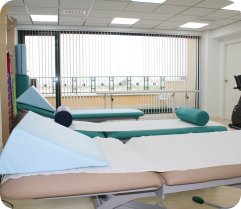
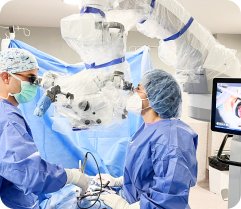
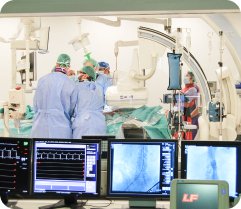
Our hospitals and centers are equipped with cutting-edge technology and modern installations designed to deliver the highest standards of medical care. We offer comfortable patient rooms, welcoming environments, and amenities tailored to ensure a smooth and stress-free healthcare experience for you and your loved ones.









Why choose Ribera for your cataract surgery?

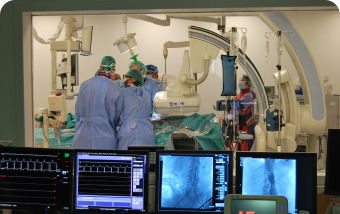


We prioritize your comfort and well-being. Our dedicated care team takes the time to understand your concerns, answer your questions, and guide you through each step of your treatment with compassion and professionalism.

International Patient Support
We make traveling for eye surgery simple. Our team provides multilingual support, travel coordination, and a stress-free experience from the moment you contact us to your return home.





Excellent clinic,at a time when your feeling at your most vulnerable, the care and consideration I received was heartwarming. Nothing was to much trouble.The staff were so kind and caring, and always made you feel safe and secure,The surgeon I saw, and treatment I received went way beyound my expectations, will always be so grateful to him..Such a lovely man..Wonderful clinic and wonderful staff.Thank you all so much.