
Skulderkirurgi i Spania - ekspertbehandling for varig lindring
Gjenopprett bevegeligheten din og lev smertefritt igjen.
Opplev avansert skulderkirurgi i Spania med et av Europas ledende ortopediske team. Hos Ribera Health Group kombinerer vi kirurgisk presisjon, banebrytende teknologi og medfølende omsorg for å levere trygg, effektiv og personlig tilpasset behandling - slik at du kan gjenvinne styrke, fleksibilitet og selvtillit i hverdagen.
Fortell oss om saken din
Fortell oss hva vi kan hjelpe deg med, så tar vi kontakt med deg i løpet av kort tid.
Gjenopprett bevegeligheten din og lev smertefritt igjen.
Opplev avansert skulderkirurgi i Spania med et av Europas ledende ortopediske team. Hos Ribera Health Group kombinerer vi kirurgisk presisjon, banebrytende teknologi og medfølende omsorg for å levere trygg, effektiv og personlig tilpasset behandling - slik at du kan gjenvinne styrke, fleksibilitet og selvtillit i hverdagen.
Fortell oss om saken din
Fortell oss hva vi kan hjelpe deg med, så tar vi kontakt med deg i løpet av kort tid.
Du kan være en kandidat hvis du opplever:
- Vedvarende skuldersmerter som begrenser bevegelse eller søvn.
- Vanskeligheter med å løfte armen eller utføre dagligdagse oppgaver.
- Tilbakevendende skulderluksasjoner eller kronisk instabilitet.
- Degenerativ leddsykdom som ikke har respondert på fysioterapi eller medisinering.
Kirurgene våre vurderer hvert enkelt tilfelle individuelt, med tanke på alder, aktivitetsnivå og generell helse. Enten du er en idrettsutøver som ønsker å komme tilbake til prestasjon eller en pasient som ønsker å gjenopprette daglig komfort, utformer vi en personlig behandlingsplan som passer til dine mål.
De fleste inngrepene utføres under regional og generell anestesi for maksimal komfort.
Avhengig av diagnosen din, kan operasjonen omfatte
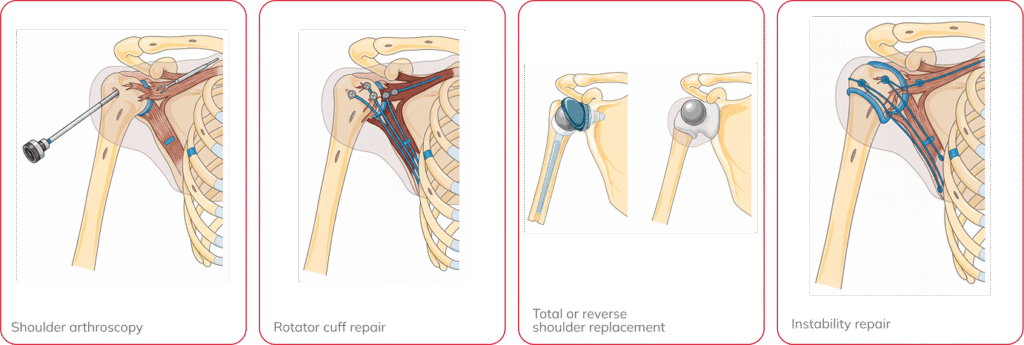
- Artroskopi i skulderen: En minimalt invasiv teknikk som bruker små snitt for å reparere sener eller fjerne skadet vev.
- Reparasjon av rotatormansjetten: Rekonstruksjon av avrevne sener for å gjenopprette styrke og bevegelse.
- Total eller omvendt skulderprotese: Erstatning av leddet med en biokompatibel protese ved alvorlig leddgikt eller uopprettelig skade.
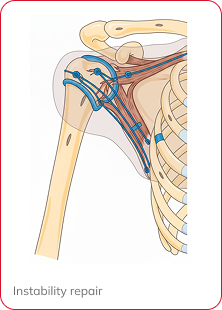
- Reparasjon av instabilitet: Stramming eller rekonstruksjon av skulderkapselen for å forhindre fremtidige luksasjoner.
Ved hjelp av navigasjonssystemer og høyoppløselig artroskopi sikrer spesialistene våre presis utførelse og minimerer vevstraumer. De fleste pasienter forlater sykehuset innen 24-48 timer.
Gjenopprettingstid og suksessrate

Gjenopprettingstid: Rehabiliteringen begynner kort tid etter operasjonen. De fleste pasienter gjenvinner funksjonelle bevegelser i løpet av 4-6 uker, og kan gå tilbake til daglige aktiviteter i løpet av 2-3 måneder, avhengig av inngrepet. Fysioterapiteamet vårt utarbeider en skreddersydd rehabiliteringsplan og tilbyr online oppfølging for internasjonale pasienter.

Suksessrater: Riberas program for skulderkirurgi oppnår en funksjonell restitusjonsrate på 97%, med høy pasienttilfredshet og lav komplikasjonsrate. Pasientene opplever ofte en dramatisk smertereduksjon og forbedret bevegelighet i løpet av få uker.
Fordeler i forhold til andre sykehus
- Ekspertise innen artroskopisk kirurgi og protesekirurgi i skulderen, utført av internasjonalt anerkjente kirurger.
- Bruk av 3D-kirurgisk planlegging og minimalt invasive teknikker for raskere tilheling.
- Omfattende rehabiliteringsprogrammer overvåket av spesialiserte fysioterapeuter.
- Full internasjonal pasientservice, inkludert reisekoordinering, oversettelse og telerehabilitering.
- Dokumenterte fortrinn innen Ribera Health Group, et av Europas mest innovative sykehusnettverk.
Medisinske forberedelser før prosedyren
- Før operasjonen gjennomgår du en fullstendig ortopedisk evaluering, inkludert røntgen, MR- eller CT-skanning og blodprøver. Dette hjelper operasjonsteamet med å forstå den nøyaktige tilstanden til skulderen din - enten det dreier seg om en rotatormansjettruptur, leddgikt eller instabilitet - og planlegge den mest effektive tilnærmingen, fra artroskopi til skulderproteser.
Faste
- Du må ikke spise eller drikke noe (inkludert vann, tyggegummi eller godteri) etter midnatt kvelden før operasjonen. Du kan ta godkjente medisiner med en liten slurk vann, i henhold til legens anvisninger.
Medisiner og helsetilstander
- Noen medisiner, for eksempel blodfortynnende midler eller diabetesbehandling, må kanskje pauseres eller justeres før operasjonen. Vennligst gi legen din en fullstendig liste over nåværende medisiner og eventuelle allergier eller kroniske helsetilstander.
Røyking og alkohol
- Unngå røyking og alkohol i flere dager før operasjonen, da dette kan forsinke tilhelingen av vevet og øke risikoen for komplikasjoner.
Fysisk forberedelse
- Kirurgen kan anbefale lette skulder- og holdningsøvelser før inngrepet for å forbedre den postoperative rekonvalesensen. Pasientene oppfordres også til å opprettholde et sunt kosthold og holde seg hydrert i ukene før operasjonen.
Logistikk og komfort
- Bruk løse, behagelige klær som kan åpnes foran, og ta av deg smykker, kremer og deodoranter på operasjonsdagen. Hvis du reiser fra utlandet, vil Riberas internasjonale team hjelpe deg med hotell og transport. Du trenger noen til å følge deg eller transport tilbake til overnattingsstedet ditt etter utskrivelsen.
Bekreft samtykke og spørsmål
- Før operasjonen vil du gjennomgå og signere et samtykkeskjema og motta klare skriftlige og muntlige instruksjoner. Dette er en god anledning til å diskutere type anestesi, forventet rekonvalesenstid og eventuelle spørsmål du måtte ha i siste liten.
Postoperativ sykehusbehandling
- De fleste skulderoperasjoner utføres under generell anestesi med regional nerveblokade for komfort. Avhengig av hvor komplisert inngrepet er, blir du på sykehuset i én til tre dager. Skulderen din vil bli støttet i en slynge eller immobilisator, og du vil begynne med forsiktige bevegelsesøvelser under tilsyn.
Medisiner
- Du får smertestillende og betennelsesdempende medisiner, noen ganger kombinert med antibiotika for å forebygge infeksjoner. Det er viktig at du følger legens anvisninger nøye og ikke slutter å ta medisinene for tidlig..
Sårpleie og hygiene
- Hold operasjonsområdet rent og tørt. Unngå å senke såret ned i vann før stingene er fjernet. Dusj er vanligvis tillatt etter noen dager med beskyttende bandasje. Ikke bruk kremer eller salver med mindre det er foreskrevet.
Fysisk aktivitet
- Lette daglige aktiviteter kan vanligvis gjenopptas etter 7-10 dager, avhengig av inngrepet. Du vil begynne med fysioterapi for gradvis å gjenopprette bevegelse og styrke. Unngå å løfte, skyve eller utføre aktiviteter over hodet i minst seks uker, med mindre annet er angitt av kirurgen din.
Kosthold og livsstil
- Ha et balansert kosthold som er rikt på protein, kalsium og vitamin C og D for å fremme tilheling av bein og vev. Hold deg hydrert, og fortsett å unngå alkohol og tobakk i restitusjonsfasen.
Gjenkjenne advarselstegn
Kontakt legen din eller omsorgskoordinatoren din umiddelbart hvis du opplever dette:
- Plutselige eller intense skuldersmerter som ikke lindres av medisiner
- Betydelig hevelse eller rødhet rundt snittet
- Feber eller frysninger
- Væskelekkasje, puss eller vond lukt fra operasjonsstedet
- Nummenhet eller tap av bevegelse i arm eller hånd
Oppfølgingsavtaler
- Det første oppfølgingsbesøket vil vanligvis finne sted innen en uke etter operasjonen. Det vil bli planlagt ytterligere kontroller og bildeundersøkelser (for eksempel røntgenbilder) for å overvåke tilhelingen. Hvis du er en internasjonal pasient, kan disse avtales virtuelt via vår telemedisinske plattform.
Skulderkirurgi hos Ribera Health Group hjelper pasienter med å gjenvinne uavhengighet, selvtillit og livskvalitet. Pasientene våre beskriver ofte rekonvalesensen som en forvandling - de slipper kroniske smerter og kan gå tilbake til idrett, jobb og daglige aktiviteter.
Gjenopprettet bevegelighet og styrke
Beveg armen fritt og utfør oppgaver uten ubehag.
Smertelindring og funksjon
Langvarig forbedring som reduserer eller eliminerer behovet for smertestillende medisiner.
Minimalt invasive teknikker
Raskere tilheling, færre arr og lavere risiko for komplikasjoner.
Omfattende støtte
Det internasjonale teamet vårt støtter deg hele veien, fra den preoperative planleggingen til den postoperative rehabiliteringen.
Ekspertise i verdensklasse
Våre ortopediske kirurger er ledende innen skulderrekonstruksjon, og kombinerer klinisk ekspertise med medmenneskelig omsorg.
Å velge Ribera Care International for skulderkirurgi i Spania betyr å stole på et team som er dedikert til å gjenopprette din mobilitet og ditt velvære med de høyeste internasjonale standarder for sikkerhet og presisjon.
Forebyggende fordeler
Hofteprotesen gjenoppretter ikke bare bevegeligheten, men forebygger også ytterligere leddskader, reduserer risikoen for fall og lindrer belastningen på omkringliggende ledd.
Passer for et bredt spekter av pasienter
Hofteproteseoperasjon er en trygg og effektiv løsning for personer som lider av alvorlig leddgikt, leddforringelse eller hoftebrudd, og gir en ny start på livet.
Når du velger Ribera Health Group for hofteprotese, velger du ekspertbehandling, fasiliteter i verdensklasse og personlige behandlingsplaner som er skreddersydd til dine behov. Ta det første skrittet mot en smertefri og aktiv fremtid med vårt spesialiserte ortopediske team.
Hva er skulderkirurgi, og når er det nødvendig?
Skulderkirurgi utføres for å reparere eller erstatte skadede strukturer i leddet, vanligvis når ikke-kirurgiske behandlinger som fysioterapi eller injeksjoner ikke lenger er effektive. Det er vanligst ved rotatormansjettruptur, leddgikt, ustabilitet i skulderen eller brudd som påvirker bevegeligheten og forårsaker vedvarende smerter.
Hvilke typer skulderkirurgi er vanligst?
De vanligste prosedyrene omfatter artroskopisk reparasjon av sener, rekonstruksjon av rotatormansjetten, stabilisering av labrum og total eller revers skulderprotese. Hver teknikk velges ut fra pasientens diagnose, aktivitetsnivå og graden av vevsskade.
Hva er forskjellen mellom total og omvendt skulderprotese?
Ved en total skulderprotese reproduseres leddets kule-anatomi ved hjelp av biokompatible implantater, noe som er ideelt når rotatormansjetten er intakt. Ved en omvendt skulderprotese byttes posisjonene slik at andre muskler - hovedsakelig deltamuskelen - kan bevege armen når rotatormansjetten er alvorlig skadet.
Hvor lang tid tar en skulderoperasjon?
Operasjonen varer vanligvis mellom én og to timer, avhengig av hvor kompleks den er. Artroskopiske inngrep er vanligvis kortere, mens leddproteser kan ta litt lengre tid på grunn av plassering av implantat og rekonstruksjon.
Hvilken type anestesi brukes?
Skulderkirurgi utføres vanligvis under generell anestesi kombinert med en regional nerveblokade, som bedøver armen i 12-24 timer etter inngrepet. Denne kombinasjonen gir komfort under operasjonen og minimerer smertene i den første fasen av rekonvalesensen.
Hvor raskt kan jeg begynne å bevege skulderen etter operasjonen?
Forsiktige passive bevegelser begynner ofte i løpet av de første dagene, under veiledning av en fysioterapeut. Aktiv bevegelse introduseres gradvis etter to til tre uker, avhengig av inngrepet og kirurgens anbefalinger. Tidlig, veiledet bevegelse er nøkkelen til å forebygge stivhet.
Hvor lang tid tar det å bli frisk etter en skulderoperasjon?
Rekonvalesensen varierer avhengig av teknikken: rundt 6-8 uker for artroskopiske reparasjoner og 3-6 måneder for proteser. I denne perioden er fysioterapi avgjørende for å gjenopprette styrke, stabilitet og full bevegelighet.
Må jeg bruke en slynge etter operasjonen?
Ja. En skulderslynge eller immobilisator brukes vanligvis de første 2-4 ukene for å beskytte reparasjonen og gi vevet tid til å gro. Kirurgen din vil spesifisere hvor lenge du skal beholde den på og når du skal ta den av for å trene.
Hva er de potensielle risikoene eller komplikasjonene?
Selv om skulderkirurgi er trygt og svært effektivt, kan det i sjeldne tilfeller oppstå komplikasjoner som infeksjon, stivhet, nerveirritasjon eller seneavrivning. Disse risikoene minimeres ved hjelp av steril teknikk, nøye kirurgisk planlegging og tett postoperativ overvåkning.
Når kan jeg begynne med idrett eller fysisk aktivitet igjen?
Lette aktiviteter og kontorarbeid kan ofte gjenopptas i løpet av 4-6 uker. Idrett eller tungt fysisk arbeid tar vanligvis 3-6 måneder, avhengig av tilheling og fremgang i rehabiliteringen. Pasienter som følger fysioterapiplanen sin, gjenvinner vanligvis full funksjon og kan trygt gå tilbake til idrett.
Om skulderkirurgi
Skulderkirurgi omfatter en rekke prosedyrer som er utformet for å gjenopprette funksjon, redusere smerte og forbedre leddets stabilitet. Hos Ribera utfører våre ortopediske spesialister både minimalt invasive artroskopiske reparasjoner og komplekse leddproteser, avhengig av den enkelte pasients tilstand.
Vanlige indikasjoner inkluderer rotatormansjettruptur, skulderinstabilitet eller -luksasjoner, leddgikt og brudd. Ved hjelp av avanserte systemer for bildebehandling og 3D-planlegging skreddersyr vi hvert inngrep til pasientens anatomi og aktivitetsmål - og oppnår eksepsjonell presisjon og raskere restitusjon.
Du kan være en kandidat hvis du opplever:
- Vedvarende skuldersmerter som begrenser bevegelse eller søvn.
- Vanskeligheter med å løfte armen eller utføre dagligdagse oppgaver.
- Tilbakevendende skulderluksasjoner eller kronisk instabilitet.
- Degenerativ leddsykdom som ikke har respondert på fysioterapi eller medisinering.
Kirurgene våre vurderer hvert enkelt tilfelle individuelt, med tanke på alder, aktivitetsnivå og generell helse. Enten du er en idrettsutøver som ønsker å komme tilbake til prestasjon eller en pasient som ønsker å gjenopprette daglig komfort, utformer vi en personlig behandlingsplan som passer til dine mål.
De fleste inngrepene utføres under regional og generell anestesi for maksimal komfort.
Avhengig av diagnosen din, kan operasjonen omfatte
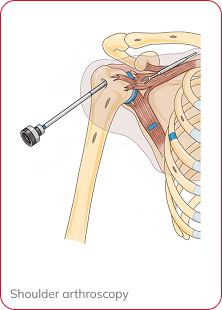
- Artroskopi i skulderen: En minimalt invasiv teknikk som bruker små snitt for å reparere sener eller fjerne skadet vev.
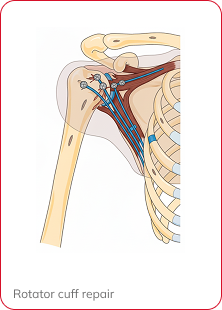
- Reparasjon av rotatormansjetten: Rekonstruksjon av avrevne sener for å gjenopprette styrke og bevegelse.
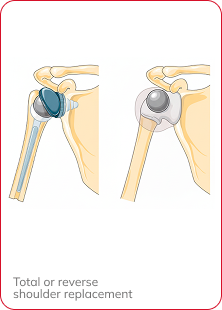
- Total eller omvendt skulderprotese: Erstatning av leddet med en biokompatibel protese ved alvorlig leddgikt eller uopprettelig skade.
- Reparasjon av instabilitet: Stramming eller rekonstruksjon av skulderkapselen for å forhindre fremtidige luksasjoner.
Ved hjelp av navigasjonssystemer og høyoppløselig artroskopi sikrer spesialistene våre presis utførelse og minimerer vevstraumer. De fleste pasienter forlater sykehuset innen 24-48 timer.

Relevante data
Gjenopprettingstid og suksessrate
Gjenopprettingstid: Rehabiliteringen begynner kort tid etter operasjonen. De fleste pasienter gjenvinner funksjonelle bevegelser i løpet av 4-6 uker, og kan gå tilbake til daglige aktiviteter i løpet av 2-3 måneder, avhengig av inngrepet. Fysioterapiteamet vårt utarbeider en skreddersydd rehabiliteringsplan og tilbyr online oppfølging for internasjonale pasienter.
Suksessrater: Riberas program for skulderkirurgi oppnår en funksjonell restitusjonsrate på 97%, med høy pasienttilfredshet og lav komplikasjonsrate. Pasientene opplever ofte en dramatisk smertereduksjon og forbedret bevegelighet i løpet av få uker.
Fordeler i forhold til andre sykehus
- Ekspertise innen artroskopisk kirurgi og protesekirurgi i skulderen, utført av internasjonalt anerkjente kirurger.
- Bruk av 3D-kirurgisk planlegging og minimalt invasive teknikker for raskere tilheling.
- Omfattende rehabiliteringsprogrammer overvåket av spesialiserte fysioterapeuter.
- Full internasjonal pasientservice, inkludert reisekoordinering, oversettelse og telerehabilitering.
- Dokumenterte fortrinn innen Ribera Health Group, et av Europas mest innovative sykehusnettverk.
Før og etter pleie
Medisinske forberedelser før prosedyren
- Før operasjonen gjennomgår du en fullstendig ortopedisk evaluering, inkludert røntgen, MR- eller CT-skanning og blodprøver. Dette hjelper operasjonsteamet med å forstå den nøyaktige tilstanden til skulderen din - enten det dreier seg om en rotatormansjettruptur, leddgikt eller instabilitet - og planlegge den mest effektive tilnærmingen, fra artroskopi til skulderproteser.
Faste
- Du må ikke spise eller drikke noe (inkludert vann, tyggegummi eller godteri) etter midnatt kvelden før operasjonen. Du kan ta godkjente medisiner med en liten slurk vann, i henhold til legens anvisninger.
Medisiner og helsetilstander
- Noen medisiner, for eksempel blodfortynnende midler eller diabetesbehandling, må kanskje pauseres eller justeres før operasjonen. Vennligst gi legen din en fullstendig liste over nåværende medisiner og eventuelle allergier eller kroniske helsetilstander.
Røyking og alkohol
- Unngå røyking og alkohol i flere dager før operasjonen, da dette kan forsinke tilhelingen av vevet og øke risikoen for komplikasjoner.
Fysisk forberedelse
- Kirurgen kan anbefale lette skulder- og holdningsøvelser før inngrepet for å forbedre den postoperative rekonvalesensen. Pasientene oppfordres også til å opprettholde et sunt kosthold og holde seg hydrert i ukene før operasjonen.
Logistikk og komfort
- Bruk løse, behagelige klær som kan åpnes foran, og ta av deg smykker, kremer og deodoranter på operasjonsdagen. Hvis du reiser fra utlandet, vil Riberas internasjonale team hjelpe deg med hotell og transport. Du trenger noen til å følge deg eller transport tilbake til overnattingsstedet ditt etter utskrivelsen.
Bekreft samtykke og spørsmål
- Før operasjonen vil du gjennomgå og signere et samtykkeskjema og motta klare skriftlige og muntlige instruksjoner. Dette er en god anledning til å diskutere type anestesi, forventet rekonvalesenstid og eventuelle spørsmål du måtte ha i siste liten.
Postoperativ sykehusbehandling
- De fleste skulderoperasjoner utføres under generell anestesi med regional nerveblokade for komfort. Avhengig av hvor komplisert inngrepet er, blir du på sykehuset i én til tre dager. Skulderen din vil bli støttet i en slynge eller immobilisator, og du vil begynne med forsiktige bevegelsesøvelser under tilsyn.
Medisiner
- Du får smertestillende og betennelsesdempende medisiner, noen ganger kombinert med antibiotika for å forebygge infeksjoner. Det er viktig at du følger legens instruksjoner nøye og ikke slutter å ta medisinene for tidlig.
Sårpleie og hygiene
- Hold operasjonsområdet rent og tørt. Unngå å senke såret ned i vann før stingene er fjernet. Dusj er vanligvis tillatt etter noen dager med beskyttende bandasje. Ikke bruk kremer eller salver med mindre det er foreskrevet.
Fysisk aktivitet
- Lette daglige aktiviteter kan vanligvis gjenopptas etter 7-10 dager, avhengig av inngrepet. Du vil begynne med fysioterapi for gradvis å gjenopprette bevegelse og styrke. Unngå å løfte, skyve eller utføre aktiviteter over hodet i minst seks uker, med mindre annet er angitt av kirurgen din.
Kosthold og livsstil
- Ha et balansert kosthold som er rikt på protein, kalsium og vitamin C og D for å fremme tilheling av bein og vev. Hold deg hydrert, og fortsett å unngå alkohol og tobakk i restitusjonsfasen.
Gjenkjenne advarselstegn
Kontakt legen din eller omsorgskoordinatoren din umiddelbart hvis du opplever dette:
- Plutselige eller intense skuldersmerter som ikke lindres av medisiner
- Betydelig hevelse eller rødhet rundt snittet
- Feber eller frysninger
- Væskelekkasje, puss eller vond lukt fra operasjonsstedet
- Nummenhet eller tap av bevegelse i arm eller hånd
Oppfølgingsavtaler
- Det første oppfølgingsbesøket vil vanligvis finne sted innen en uke etter operasjonen. Det vil bli planlagt ytterligere kontroller og bildeundersøkelser (for eksempel røntgenbilder) for å overvåke tilhelingen. Hvis du er en internasjonal pasient, kan disse avtales virtuelt via vår telemedisinske plattform.
Fordeler
Skulderkirurgi hos Ribera Health Group hjelper pasienter med å gjenvinne uavhengighet, selvtillit og livskvalitet. Pasientene våre beskriver ofte rekonvalesensen som en forvandling - de slipper kroniske smerter og kan gå tilbake til idrett, jobb og daglige aktiviteter.
Gjenopprettet bevegelighet og styrke
Beveg armen fritt og utfør oppgaver uten ubehag.
Smertelindring og funksjon
Langvarig forbedring som reduserer eller eliminerer behovet for smertestillende medisiner.
Minimalt invasive teknikker
Raskere tilheling, færre arr og lavere risiko for komplikasjoner.
Omfattende støtte
Det internasjonale teamet vårt støtter deg hele veien, fra den preoperative planleggingen til den postoperative rehabiliteringen.
Ekspertise i verdensklasse
Våre ortopediske kirurger er ledende innen skulderrekonstruksjon, og kombinerer klinisk ekspertise med medmenneskelig omsorg.
Å velge Ribera Care International for skulderkirurgi i Spania betyr å stole på et team som er dedikert til å gjenopprette din mobilitet og ditt velvære med de høyeste internasjonale standarder for sikkerhet og presisjon.
Forebyggende fordeler
Hofteprotesen gjenoppretter ikke bare bevegeligheten, men forebygger også ytterligere leddskader, reduserer risikoen for fall og lindrer belastningen på omkringliggende ledd.
Passer for et bredt spekter av pasienter
Hofteproteseoperasjon er en trygg og effektiv løsning for personer som lider av alvorlig leddgikt, leddforringelse eller hoftebrudd, og gir en ny start på livet.
Når du velger Ribera Health Group for hofteprotese, velger du ekspertbehandling, fasiliteter i verdensklasse og personlige behandlingsplaner som er skreddersydd til dine behov. Ta det første skrittet mot en smertefri og aktiv fremtid med vårt spesialiserte ortopediske team.
Vanlige spørsmål
Hva er skulderkirurgi, og når er det nødvendig?
Skulderkirurgi utføres for å reparere eller erstatte skadede strukturer i leddet, vanligvis når ikke-kirurgiske behandlinger som fysioterapi eller injeksjoner ikke lenger er effektive.
Den er oftest indisert ved rotatormansjettruptur, leddgikt, ustabilitet i skulderen eller brudd som påvirker bevegeligheten og forårsaker vedvarende smerter.
Hvilke typer skulderkirurgi er vanligst?
De vanligste prosedyrene omfatter artroskopisk reparasjon av sener, rekonstruksjon av rotatormansjetten, stabilisering av labrum og total eller revers skulderprotese. Hver teknikk velges ut fra pasientens diagnose, aktivitetsnivå og graden av vevsskade.
Hva er forskjellen mellom total og omvendt skulderprotese?
Ved en total skulderprotese reproduseres leddets kule-anatomi ved hjelp av biokompatible implantater, noe som er ideelt når rotatormansjetten er intakt. Ved en omvendt skulderprotese byttes posisjonene slik at andre muskler - hovedsakelig deltamuskelen - kan bevege armen når rotatormansjetten er alvorlig skadet.
Hvor lang tid tar en skulderoperasjon?
Operasjonen varer vanligvis mellom én og to timer, avhengig av hvor kompleks den er. Artroskopiske inngrep er vanligvis kortere, mens leddproteser kan ta litt lengre tid på grunn av plassering av implantat og rekonstruksjon.
Hvilken type anestesi brukes?
Skulderkirurgi utføres vanligvis under generell anestesi kombinert med en regional nerveblokade, som bedøver armen i 12-24 timer etter inngrepet. Denne kombinasjonen gir komfort under operasjonen og minimerer smertene i den første fasen av rekonvalesensen.
Hvor raskt kan jeg begynne å bevege skulderen etter operasjonen?
Forsiktige passive bevegelser begynner ofte i løpet av de første dagene, under veiledning av en fysioterapeut. Aktiv bevegelse introduseres gradvis etter to til tre uker, avhengig av inngrepet og kirurgens anbefalinger. Tidlig, veiledet bevegelse er nøkkelen til å forebygge stivhet.
Hvor lang tid tar det å bli frisk etter en skulderoperasjon?
Rekonvalesensen varierer avhengig av teknikken: rundt 6-8 uker for artroskopiske reparasjoner og 3-6 måneder for proteser. I denne perioden er fysioterapi avgjørende for å gjenopprette styrke, stabilitet og full bevegelighet.
Må jeg bruke en slynge etter operasjonen?
Ja. En skulderslynge eller immobilisator brukes vanligvis de første 2-4 ukene for å beskytte reparasjonen og gi vevet tid til å gro. Kirurgen din vil spesifisere hvor lenge du skal beholde den på og når du skal ta den av for å trene.
Hva er de potensielle risikoene eller komplikasjonene?
Selv om skulderkirurgi er trygt og svært effektivt, kan det i sjeldne tilfeller oppstå komplikasjoner som infeksjon, stivhet, nerveirritasjon eller seneavrivning. Disse risikoene minimeres ved hjelp av steril teknikk, nøye kirurgisk planlegging og tett postoperativ overvåkning.
Når kan jeg begynne med idrett eller fysisk aktivitet igjen?
Lette aktiviteter og kontorarbeid kan ofte gjenopptas i løpet av 4-6 uker. Idrett eller tungt fysisk arbeid tar vanligvis 3-6 måneder, avhengig av tilheling og fremgang i rehabiliteringen. Pasienter som følger fysioterapiplanen sin, gjenvinner vanligvis full funksjon og kan trygt gå tilbake til idrett.
Hva er inkludert?
- Medisinske kostnader og sykehuskostnader under oppholdet i forbindelse med operasjonen, inkludert preoperative undersøkelser, tester og skanninger.
- Konsultasjoner og rehabilitering etter operasjoner.
- Privat transport mellom flyplassen, sykehuset og hotellet.
- 4-5 overnattinger på 4-stjerners hotell etter operasjonen på Eurostars Acteón Valencia (for operasjoner på Hospital Ribera IMSKE) eller Sercotel Alfonso XIII Cartagena (for operasjoner på Hospital Ribera Virgen de la Caridad).
Leger
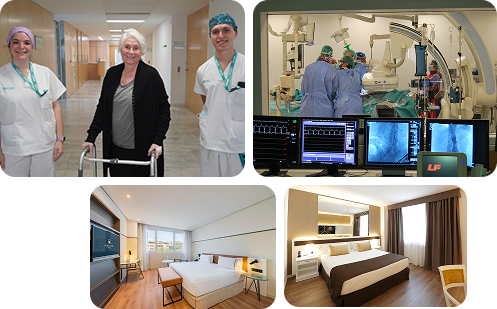
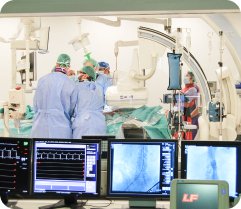
Riberas traumatologiavdeling ledes av et team av anerkjente spesialister med lang erfaring innen ortopedi, idrettsmedisin og muskel- og skjelettkirurgi. Ekspertene våre ligger i forkant av utviklingen og bruker banebrytende teknologi og avanserte teknikker for å levere behandling i verdensklasse.



Fasiliteter
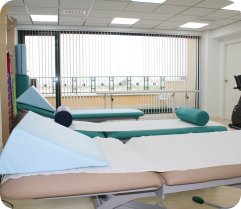
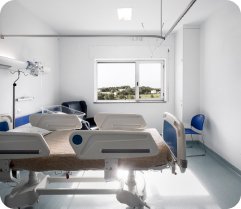
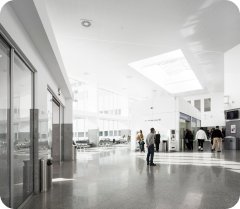
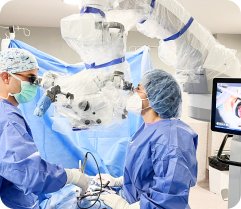
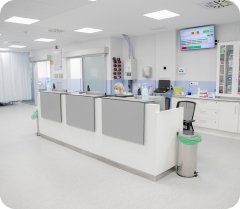
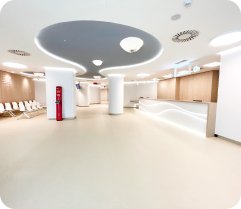
Sykehusene og sentrene våre er utstyrt med banebrytende teknologi og moderne installasjoner som er utformet for å levere medisinsk behandling av høyeste standard. Vi tilbyr komfortable pasientrom, innbydende omgivelser og fasiliteter som er skreddersydd for å sikre en smidig og stressfri helseopplevelse for deg og dine nærmeste.




Hvorfor velge Ribera for din leddprotesekirurgi?
Hos Ribera Health Group kombinerer vi ekspertise, innovasjon og pasientsentrert omsorg for å levere best mulig resultat ved leddprotesekirurgi. Her er hvorfor Ribera er din betrodde partner for ortopedisk behandling:

Ekspertise i verdensklasse
Våre dyktige ortopediske kirurger og spesialister på muskel- og skjelettlidelser har lang erfaring med å utføre hofte-, kne- og skulderproteser. Vi er opptatt av å være dyktige, og vi tilbyr personlig tilpassede, effektive behandlinger som er designet for langsiktig suksess.

Toppmoderne teknologi
Ribera-sentrene er utstyrt med de nyeste fremskrittene innen ortopedisk kirurgi, inkludert robotassisterte prosedyrer, 3D-avbildning og minimalt invasive teknikker. Dette sikrer presis plassering av implantater, kortere rekonvalesenstid og bedre mobilitet for pasientene våre.

Spesialisert ortopedisk behandling
Leddprotesekirurgi hos Ribera er bare én del av vår helhetlige tilnærming til muskel- og skjeletthelse. Vi tilbyr en sømløs opplevelse for å støtte din fulle restitusjon og langsiktige leddhelse med personlig tilpassede rehabiliteringsplaner og oppfølging.
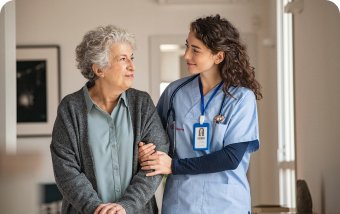
Pasientsentrert tilnærming
Din komfort og velvære er vår høyeste prioritet. Våre dedikerte pleieteam tar seg tid til å forstå målene dine, svare på spørsmålene dine og gi deg medfølende veiledning gjennom hvert trinn av din reise med leddproteser.
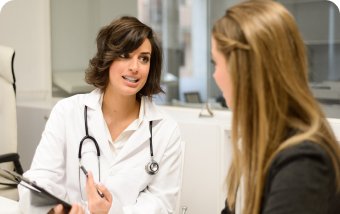
Internasjonal pasientstøtte
For våre internasjonale pasienter tilbyr vi spesialiserte tjenester, inkludert flerspråklig støtte, reiseassistanse og personlig medisinsk koordinering. Vi sørger for at tilgangen til ortopedisk behandling i verdensklasse er smidig, stressfri og skreddersydd til dine behov.

Dokumenterte resultater
Ribera har lang erfaring med vellykkede leddproteser, og vi er stolte av å kunne tilby operasjoner som forbedrer livskvaliteten betydelig. Vårt fokus på pasientresultater sikrer at du får den eksepsjonelle pleien du fortjener.
Hva pasientene våre sier om oss


Andre behandlinger.
Stol på ortopedisk behandling i verdensklasse hos Ribera
Få en personlig tilpasset behandlingsplan og start reisen mot bedre leddhelse i dag.