
spinal stenosis

Spinal Stenosis Surgery in Spain: When Do You Really Need It?

Table of Contents

Spinal stenosis is a condition that slowly shapes the way you walk, move, and manage daily life. For many people, symptoms appear gradually—sometimes so subtly that they become “normal” until walking becomes painful or weakness starts limiting mobility. When treatments stop working or the pain becomes persistent, the question often arises: Is it time to consider spinal stenosis surgery?

Spain has become a trusted destination for international patients seeking high-quality spine care, and Ribera Care International is one of the leading medical networks supporting this journey. This article explains when spinal surgery becomes necessary, what the treatment involves, and why Spain is an attractive option for many patients from the UK, Ireland, and across Europe.

What Is Spinal Stenosis?

Spinal stenosis happens when the space around the spinal cord or nerves narrows, creating pressure that can lead to pain, numbness, or weakness. Most cases occur in the lumbar region, although the cervical spine may also be affected.

The most frequent causes of spinal stenosis include natural age-related degeneration, arthritis, disc bulges, thickened ligaments, and, in some cases, congenital anatomical features. While many people live with mild stenosis for years, symptoms tend to progress as the condition becomes more advanced.

Spinal Stenosis Symptoms That Shouldn’t Be Ignored

The symptoms you experience depend on the affected part of the spine.

  • Lower-back discomfort that worsens when standing
  • Tingling or numbness in legs or feet
  • Leg heaviness when walking
  • Weakness in arms or hands (in cervical cases)
  • Difficulty walking long distances

A common and often overlooked sign is relief when bending forward—many people notice they walk more comfortably when leaning on a shopping cart or slightly bending their back.

When symptoms begin interfering with daily routines or your ability to remain active, it may be time to explore more definitive treatment options.

How Specialists Diagnose Spinal Stenosis

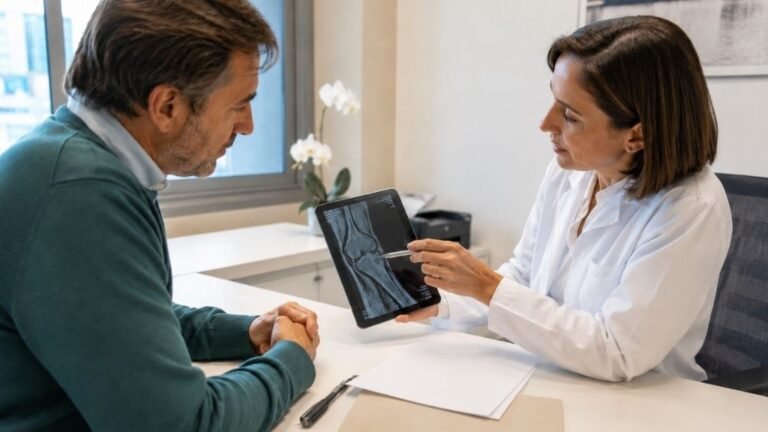
Diagnosis usually begins with a clinical assessment, where a specialist evaluates physical symptoms, mobility, and nerve function. Imaging studies—typically an MRI—are essential to confirm the diagnosis and determine the severity of compression.

In some cases, additional tests such as CT scans, X-rays, or electromyography are used to clarify whether symptoms are caused by spinal stenosis or another neurological or orthopedic condition.

When Does Spinal Stenosis Really Require Surgery?

Most patients do not need surgery immediately. Many respond well to physiotherapy, anti-inflammatory medication, or targeted injections. Surgery becomes a realistic option when:

  • Pain persists despite months of conservative treatment
  • Weakness or numbness gets progressively worse
  • Walking tolerance decreases significantly
  • Nerve compression affects daily independence
  • Quality of life declines
  • There is a sudden loss of bladder or bowel control (emergency)

Overall, spinal stenosis surgery is considered when the condition clearly limits function or when nerve compression poses a long-term risk.

When Non-Surgical Treatments Are Not Enough

Before considering surgery, most specialists recommend a combination of physiotherapy, exercises to improve posture and spinal stability, anti-inflammatory medication, or epidural injections. These treatments often help manage symptoms, but their effect may diminish over time if nerve compression continues to progress.

For patients who feel temporary relief but experience recurring pain that disrupts normal activities, spinal surgery often provides a more stable, long-term solution.

Surgical Options for Spinal Stenosis

Decompression Procedures

A decompression surgery removes parts of the structures that are compressing the nerves. A common technique is laminectomy, where a small portion of bone is removed to enlarge the spinal canal. This is often recommended for moderate to severe lumbar stenosis.

Minimally Invasive Options

When appropriate, minimally invasive decompression uses smaller incisions and reduces muscle disruption. This can shorten the hospital stay and speed up recovery.

Fusion Surgery

If stenosis is accompanied by spinal instability, fusion surgery may be recommended. This stabilizes the affected vertebrae and prevents painful movement between them.

Cervical Procedures

Cervical spinal stenosis may require either anterior decompression (approaching the spine from the front) or posterior decompression. The choice depends on the direction of compression and the number of affected levels.

Ribera Care International works with patients to determine which surgical approach fits their anatomy and goals.

Expected Benefits and Potential Risks

Many patients report significant improvements in walking ability, relief from nerve pain, and a noticeable increase in quality of life after surgery. However, all surgeries involve some level of risk, including infection, bleeding, or temporary nerve irritation. A small number of patients may require additional procedures later, especially in cases of progressive degeneration.

The goal of physician consultation is to ensure each patient understands these factors and can make an informed decision.

Recovery After Spinal Stenosis Surgery

Recovery depends on the type of procedure performed. Many patients begin walking within hours or the day after decompression surgery. Minimally invasive procedures tend to involve shorter hospital stays, while fusion procedures require more structured rehabilitation.

Physiotherapy plays an important role in regaining strength, mobility, and confidence. Most patients return to light activities within a few weeks, although full recovery may take longer depending on individual circumstances.

Why Many Patients Choose Spain for Spinal Stenosis Surgery

Spain has become a leading destination for spinal surgery abroad thanks to its combination of medical quality, accessibility, and patient-focused care. One of the main reasons patients travel to Spain is the ability to access specialist consultations and surgery much faster than in many Northern European countries. Competitive pricing also makes procedures such as spinal decompression, cervical surgery, or fusion more accessible without compromising on clinical standards.

Patients often highlight the following advantages when choosing Spain:

  • Shorter waiting times and faster access to spine specialists
  • Modern hospitals equipped with advanced surgical technology
  • Experienced surgeons familiar with complex spine conditions
  • English-speaking coordinators who support international patients
  • Reliable postoperative care and strong rehabilitation services

Ribera Care International enhances this experience by offering fully coordinated treatment pathways for international patients. In addition to spine surgery, Ribera also provides other high-demand orthopedic procedures such as hip, knee, and shoulder surgery—allowing patients to access comprehensive care within the same trusted network.

This combination of medical expertise, efficient care, and personalized support makes Spain—and Ribera Care International in particular—a preferred choice for those seeking safe and high-quality treatment abroad.

Understanding the Cost of Spine Surgery in Spain

Spinal stenosis surgery costs in Spain are typically lower than in many Northern European countries. Decompression procedures generally fall within a competitive price range, while fusion procedures are more complex and therefore higher in cost.

For international patients comparing options, Spain offers an excellent combination of expertise, hospital quality, and affordability. Ribera Care International provides patients with personalized cost estimates and transparent information before their travel.

A Special Advantage for Irish Patients: The HSE Cross-Border Directive

One of the main reasons Irish patients choose Spain is the possibility of receiving reimbursement through the HSE Cross-Border Directive.

Patients facing long spinal stenosis surgery waiting lists in Ireland can travel to Spain for treatment and then apply for reimbursement of medically necessary procedures, including lumbar decompression or cervical surgery. Ribera Care International assists patients with documentation, appointments, and the full treatment pathway, making the process simpler and more accessible.

The Patient Experience with Ribera Care International

Ribera Care International provides a coordinated, friendly, and patient-centred experience, including:

  • Medical evaluation and recommendations
  • Preoperative planning and travel support
  • English-speaking assistance throughout the stay
  • Access to expert orthopedic and spine surgeons
  • Postoperative care and follow-up

Patients can explore additional services through the official website sections dedicated to spine surgery, orthopedics and traumatology, and hip replacement, knee replacement, and shoulder surgery.

Spinal stenosis can limit mobility and deeply affect daily life, but effective treatment options exist. Whether through conservative approaches or surgical intervention, the goal is always the same: helping patients regain comfort and independence. Spain has become a trusted destination for spine care, and Ribera Care International offers the combination of expertise, safety, and personalised care that many patients seek.

To request an assessment or speak with a coordinator, you can fill in the contact form.

FAQs About Spinal Stenosis in Spain

When is surgery necessary for spinal stenosis?

Surgery becomes appropriate when symptoms limit daily activities or no longer respond to non-surgical treatments.

How long does recovery take?

Recovery varies depending on the procedure, but many patients resume normal activity within weeks.

Is minimally invasive decompression an option for everyone?

Suitability depends on the type and extent of stenosis, as determined through imaging and specialist evaluation.

Is surgery in Spain safe for international patients?

Spain offers high-quality private healthcare with experienced surgeons and modern facilities.

Can I receive spinal stenosis treatment in Spain through Ribera Care International?

Yes. Ribera Care International supports patients throughout the entire process, including treatment planning, coordination, and follow-up.


Share:

Categories

Latest posts

reception of the hospital
Best Hospitals in Spain: How to Choose the Right Medical Centre for Your Treatment
Top Orthopedic Surgery in Spain for Hip, Knee and Shoulder Replacement
spinal stenosis
Spinal Stenosis Surgery in Spain: When Do You Really Need It?
ACL (Anterior Cruciate Ligament) Surgery
ACL (Anterior Cruciate Ligament) Surgery: What to Expect Before, During, and After
EU Cross Border Directive
What is the EU Cross Border Directive? A Complete Guide for Irish Patients Seeking Surgery in Spain
Sciatica Treatment
Sciatica Treatment in Spain: From Physiotherapy to Surgery
rotator-cuff-tear-surgery
Rotator Cuff Tear Surgery: When Is It Needed and What Recovery Looks Like
Shoulder Replacement Surgery
Shoulder Replacement Surgery: Cost, Procedure and Recovery
What to Expect After Cataract Surgery
What to Expect After Cataract Surgery: Vision, Recovery, and Lifestyle
Laser-Assisted Cataract Surgery vs. Traditional Cataract Surgery
Laser-Assisted Cataract Surgery vs. Traditional Cataract Surgery: What’s the Difference?

Request for a call

If you’d like to speak to someone on the phone about Ribera Health Group’s international patient services, please leave us your details and we’ll give you a call as soon as possible.

Dr. Pedro Galindo Fernández

Dr. Pedro Galindo Fernández is a renowned general surgeon specializing in breast surgery and oncological surgery. With extensive experience and advanced training, he is recognized for his expertise in minimally invasive techniques and complex breast pathology procedures.

Dr. Galindo Fernández obtained his medical degree from the University of Murcia, where he also completed his surgical residency. To further specialize, he pursued a Master’s in Mastology and Breast Pathology at the Universidad Internacional Menéndez Pelayo, the only program accredited by the Fundación de Estudios Mastológicos (FEMA) in Spain. His dedication to continuous medical advancements has positioned him as a leader in breast cancer surgery and reconstructive procedures.

Languages spoken: Spanish and English

Specialties:

  • Breast Surgery and Mastology
  • Oncological Surgery
  • Minimally Invasive and Laparoscopic Surgery
  • Soft Tissue and Tumor Surgery
  • Endocrine Surgery
  • Hernia and Abdominal Wall Surgery

Hospital Ribera HCMiraflores

Hospital HCMiraflores is a leading healthcare facility known for its advanced medical services and patient-centered care. Equipped with state-of-the-art technology and a team of highly qualified professionals, the hospital offers a wide range of specialties to meet the diverse healthcare needs of patients.

Location:

Zaragoza

Year opened:

2020

Operating rooms:

8

Employees:

181

External consultations annually:

10,524

Surgeries annually:

194,266

Hospital Ribera Polusa

Hospital Ribera Polusa, located in Lugo, is a trusted private hospital offering high-quality medical care across a wide range of specialties. With advanced technology and a dedicated team of professionals, it provides personalized treatments to ensure the best outcomes.

Location:

Lugo, Galicia, Spain

Year opened:

1981

Operating rooms:

5

Employees:

156

External consultations annually:

44.014

Surgeries annually:

4,604

Clínica Assistens Coruña

Clínica Assistens, located in A Coruña’s Matogrande area, offers a wide range of medical specialties, including general medicine, surgery, and psychotherapy. With a focus on personalized care and state-of-the-art services, it is dedicated to providing high-quality healthcare to its patients.

Location:

A Coruña, Galicia, Spain

Year opened:

2023

Operating rooms:

2

Employees:

50

External consultations annually:

88.477

Surgeries annually:

_

Clínica Ribera Ciudad Quesada

Clínica Ribera Ciudad Quesada is a private healthcare facility offering over 20 medical and surgical specialties, including cardiology, gynecology, and physiotherapy. Equipped with state-of-the-art diagnostic technology, the clinic provides immediate, high-quality care without waiting times.

Location:

Rojales, Alicante, Spain

Year opened:

2023

Operating rooms:

1

Employees:

22

External consultations annually:

9.550

Surgeries annually:

100

Hospital Ribera Caravaca

Hospital Ribera Caravaca provides 24/7 emergency care, general medicine, and advanced diagnostic services with state-of-the-art technology. Established in 1972 and integrated into the Ribera Health Group in 2022, it is committed to high-quality, patient-centered care and actively supports community health initiatives.

Location:

Caravaca de la Cruz, Murcia

Year opened:

1972

Operating rooms:

1

Employees:

97

External consultations annually:

2,791

Surgeries annually:

2,481

Hospital Ribera de Molina

Hospital Ribera de Molina is a private healthcare facility offering a comprehensive range of medical and surgical services. It has become a regional benchmark for quality healthcare. Equipped with modern technology and a dedicated team of professionals, it has been recognized for its commitment to excellence.

Location:

Molina de Segura, Murcia, Spain

Year opened:

2000

Operating rooms:

6

Employees:

195

External consultations annually:

13,870

Surgeries annually:

13,839

Hospital Ribera Juan Cardona

Hospital Ribera Juan Cardona, located in Ferrol, is a well-established private hospital providing comprehensive medical and surgical services. Equipped with modern technology and a skilled team of professionals, it offers high-quality, patient-centered care.

Location:

Ferrol, Galicia, Spain

Year opened:

1974

Operating rooms:

5

Employees:

289

External consultations annually:

57,056

Surgeries annually:

5,138

Hospital Ribera Povisa

Hospital Ribera Povisa is one of the largest private hospitals in Europe, renowned for its comprehensive medical services and cutting-edge technology. Located in Vigo, it serves as a benchmark for specialized care and advanced treatments across multiple disciplines.

Location:

Vigo, Galicia, Spain

Year opened:

1973

Operating rooms:

14

Employees:

1387

External consultations annually:

421,751

Surgeries annually:

17,141

Hospital Ribera Virgen de la Caridad

Hospital Ribera Virgen de la Caridad is a renowned healthcare center offering high-quality, patient-focused medical care across various specialties. Equipped with advanced technology and led by a team of skilled professionals, it ensures exceptional care and outcomes.

Location:

Cartagena, Murcia, Spain

Year opened:

2018

Operating rooms:

5

Employees:

530

External consultations annually:

186,960

Surgeries annually:

6,161

Hospital Ribera Covadonga

Hospital Ribera Covadonga is a trusted healthcare facility known for its patient-centered approach and comprehensive medical services. With a highly skilled team and modern infrastructure, it delivers personalized care across a range of specialties.

Location:

Gijón, Asturias, Spain

Year opened:

1915

Operating rooms:

3

Employees:

100

External consultations annually:

80,000

Surgeries annually:

3,000

Hospital Ribera IMSKE

Hospital Ribera IMSKE is a leading center for musculoskeletal health, specializing in advanced treatments for orthopedic, sports, and rheumatologic conditions. Equipped with state-of-the-art technology and a multidisciplinary team, it offers personalized care to ensure optimal recovery and patient satisfaction.

Location:

Valencia, Spain

Year opened:

2020

Operating rooms:

5

Employees:

100

External consultations annually:

28,860

Surgeries annually:

3,500

Dr. Pilar Serrano

Dr. Pilar Serrano is a General and Digestive Surgery Department Head at Ribera. A graduate of the University of Alicante, she holds a Doctorate in Medicine and Surgery, awarded Cum Laude and with an Extraordinary Doctorate Prize. Dr. Serrano completed her residency in General and Digestive Surgery at the General University Hospital of Elche, where she also served as a specialist before joining Hospital Universitario del Vinalopó in 2010 as Head of the Department. She leads the accredited Coloproctology Unit and has spearheaded the implementation of national quality indicators for colorectal cancer care across multiple Ribera hospitals. Dr. Serrano is also the President of the Digestive Tumor Committee and has been recognized for her innovative contributions, including awards like the “Isabel Ferrer” Prize and the Top 20 Award for Best General and Digestive Surgery Service.

Languages spoken: Spanish and English

Specialties:

  • Hepatobiliary Surgery
  • Colorectal Surgery
  • Bariatric and Metabolic Surgery
  • Esophagogastric Surgery
  • Breast Surgery
  • Bloodless Surgery

Dr. José Gil Martínez

Dr. José Gil Martínez is a highly qualified General and Digestive Surgeon, dedicated to delivering advanced medical care with a focus on patient well-being. With a robust academic and professional background, he is a trusted expert in his field. He holds a Medical Degree in Medicine and Surgery, a specialization in General and Digestive Surgery, and a Ph.D. from the University of Murcia. He brings advanced expertise in Coloproctology and Peritoneal Carcinomatosis, ensuring exceptional care and outcomes for his patients.

Languages spoken: Spanish

Specialties:

  • General and Digestive Surgery
  • Coloproctology (colon, rectum, and anus conditions)
  • Management of Peritoneal Carcinomatosis
  • Advanced surgical techniques for digestive health

Dr. Antonio Climent Aira

Dr. Antonio Climent Aira is an accomplished General Surgeon with over three decades of experience in surgical practice and leadership. He holds a degree in Medicine from the University of Santiago de Compostela and completed his specialization in General Surgery at the Complexo Hospitalario Xeral – Cíes in Vigo. Dr. Climent Aira has advanced expertise in Coloproctology and colorectal and pelvic floor surgery, supported by a Master’s degree from the University of Zaragoza. A founding member of the Galician Group of Coloproctology, he has contributed extensively to research, education, and the advancement of surgical practices.

Languages spoken: Spanish

Specialties:

  • General Surgery
  • Colorectal and Pelvic Floor Surgery (Coloproctology)
  • Minimally Invasive Techniques in Digestive Surgery
  • Infection Control in Surgical Practice
  • Leadership in General Surgery Departments

Dr. José Albors Martín

Dr. José Albors Martín is a highly regarded cardiac surgeon and a Cardiac Surgery Department Head at Ribera. After earning his medical degree from the University of Valencia in 2003, he completed his specialization in Cardiovascular Surgery at the Hospital Clínico Universitario de Valencia in 2010. Joining the Vinalopó and Torrevieja University Hospitals in 2011 as a cardiac surgery specialist, he was appointed Head of Cardiac Surgery at Vinalopó in 2020. A principal investigator in the ROMA trial on coronary surgery since 2020, Dr. Albors also achieved accreditation from Harvard Medical School’s Surgical Leadership Program in 2022, reflecting his commitment to advancing cardiac care and leadership.

Languages spoken: Spanish and English

Specialties:

  • Cardiac Surgery
  • Coronary Surgery
  • Minimally Invasive Techniques
  • Surgical Leadership
  • Clinical Research

Dr. Luis González

Dr. Luis González is an accomplished cardiologist with extensive expertise in electrophysiology and acute cardiac care. He earned his medical degree from the University of Seville and completed his cardiology specialization at the Virgen Macarena University Hospital in Seville. His academic achievements include a Master’s in Biomedical Research from the University of Seville, a Master’s in Acute Cardiac Care from the Spanish Society of Cardiology and UCAM, and a Master’s in Diagnostic and Therapeutic Cardiac Electrophysiology from CEU San Pablo University. Additionally, he has specialized training in atrial fibrillation from the University of Santiago de Compostela and holds European accreditation in Interventional Clinical Cardiac Electrophysiology from the European Society of Cardiology and EHRA.

Languages spoken: Spanish and English

Specialties:

  • Cardiac Electrophysiology
  • Atrial Fibrillation Management
  • Acute Cardiac Care
  • Clinical Cardiology
  • Cardiac Interventional Procedures

Dr. Manuel Carnero

Dr Manuel Carnero is an Adult Cardiac Surgeon at Ribera. His expertise is in arrhythmia surgery, minimally invasive procedures and heart failure treatment. Manuel is a member of the scientific committee of the Spanish National Registry of Cardiovascular Surgery. Manuel has a Postdoctoral master’s degree in Research Methodology and Statistics and is a statistical reviewer for EJCTS and ICVTS as well as a member of the editorial board of Revista Española de Cardiología. Manuel has a postdoctoral master’s degree in Clinical Management and is the Quality Manager of the Cardiac Surgery Department at the Hospital Clínico San Carlos. Manuel also has a postdoctoral master’s degree in echocardiography. Manuel is also a member of EACTS and the Spanish Society of Cardiology, former General Secretary of the Spanish Society of Cardiovascular and Endovascular Surgery, and Investigator for the Spanish National Center for Cardiovascular Research (CNIC).

Manuel has authored 147 manuscripts as first author or collaborator.
ORCID ID: 0000-0001-5045-576.

Languages spoken: Spanish

Specialties:

  • Adult Cardiac Surgery
  • Arrhythmia Surgery
  • Minimally Invasive Cardiac Procedures
  • Heart Failure Treatment
  • Echocardiography
  • Quality Management in Cardiac Surgery

Dr. Carlos De Diego Rus

Dr. Carlos De Diego Rus is a distinguished cardiologist specializing in electrophysiology and arrhythmias. He earned his medical degree from the Autonomous University of Madrid, where he also completed his cardiology specialization at the prestigious Fundación Jiménez-Díaz. Further honing his expertise, Dr. De Diego trained in electrophysiology and arrhythmia management at the University of California, Los Angeles (UCLA), and in Madrid. Since January 2018, he has served as a Head of Cardiology at Ribera, where he leads advancements in heart health with a focus on cutting-edge treatment and patient care.

Languages spoken: Spanish and English

Specialties:

  • Electrophysiology
  • Arrhythmia Management
  • Cardiology
  • Advanced Cardiac Procedures
  • Leadership in Cardiology

Dr. Ignacio Valenciano BilbaoMuñoz Criado

Dr. Ignacio Valenciano Bilbao is a highly experienced orthopedic surgeon with a career spanning over two decades in both public and private healthcare sectors. After earning his medical degree from Universidad de Santiago de Compostelaand completing his specialization via MIR at Arquitecto Marcide Hospital in Ferrol, he pursued advanced training in spinal surgery at La Fe Hospital in Valencia and pediatric orthopedics at Niño Jesús Hospital in Madrid. Constantly updating his expertise, Dr. Valenciano specializes in primary and revision prosthetic surgery and advanced arthroscopic techniques. Currently, he serves as a Traumatology Department Head at Ribera.

Languages spoken: Spanish and English

Specialties:

  • Primary and Revision Prosthetic Surgery
  • Navigation-Assisted Surgery
  • Arthroscopic Surgery
  • Traumatology
  • Pediatric Orthopedics
  • Spinal Surgery

Dr. Pedro Antonio Martínez Victorio

Dr. Pedro Antonio Martínez Victorio is an esteemed orthopedic surgeon with extensive international experience. He completed his specialization in Orthopedic Surgery and Traumatology at Hospital Universitario Virgen de la Arrixaca in Murcia and has pursued advanced training at renowned institutions, including the Royal Liverpool University Hospital and Hospital for Special Surgery in New York. As an invited surgeon, he has performed complex procedures in leading hospitals across Spain and Europe. His expertise spans minimally invasive techniques, sports injuries, and cutting-edge prosthetic innovations, earning him recognition as a leader in orthopedic surgery worldwide.

Languages spoken: Spanish and English

Specialties:

  • Joint Replacement Surgery
  • Sports Traumatology
  • Arthroscopic Surgery
  • Reconstructive Surgery
  • Pediatric Orthopedics
  • Infection Management

Dr. Paulino Sánchez Arteaga

Dr. Paulino Sánchez Arteaga is a renowned orthopedic surgeon specializing in advanced reconstructive and robotic knee prosthetic surgery. With international training at prestigious institutions such as the Hospital for Special Surgery in New York where he focused on hip and knee arthroplasty under Dr. Friedrich Boettner, he has become a leader in complex cases requiring cutting-edge technology. Dr. Sánchez is also an expert in sports traumatology, accelerated recovery protocols for hip and knee arthroplasties, and infection prevention. He has authored numerous high-impact publications in national and international journals, contributing significantly to advancements in orthopedic surgery and traumatology.

Languages spoken: Spanish and English

Specialties:

  • Reconstructive Surgery of the Upper Limb
  • Robotic Knee Prosthetic Surgery
  • Sports Traumatology
  • Trauma and Emergency Care
  • Fast-Track Hip and Knee Arthroplasties
  • Infection Prevention in Surgery

Dr. Ignacio Muñoz Criado

Dr. Ignacio Muñoz Criado is an internationally renowned orthopedic surgeon and the Medical Director of one of Ribera’s hospitals. With a distinguished career spanning decades, he has worked with elite athletes, served as the doctor for the Spanish Tennis Federation at Grand Slam tournaments, and contributed to the 1992 Barcelona Olympics. He played a key role in establishing Spain’s first hospital dedicated to the musculoskeletal system. A passionate educator and speaker, Dr. Muñoz has given numerous talks and lectures in Spain, England and the United States and he has collaborated with world-renowned surgeons. His surgical expertise and pursuit of perfection have earned him a reputation as one of the top orthopedic surgeons worldwide.

Languages spoken: Spanish and English

Specialties:

  • Total knee arthroplasty.
  • Total hip arthroplasty.
  • Achilles tendon.
  • Knee ligament reconstruction (ACL). Treatment via arthroscopy.
  • Arthroscopic knee surgery. Meniscectomy.
  • Arthrolysis of major joints.
  • Shoulder arthroscopy.
  • Hip arthroscopy.
  • Hallux valgus (bunion surgery).
  • Dupuytren’s disease.