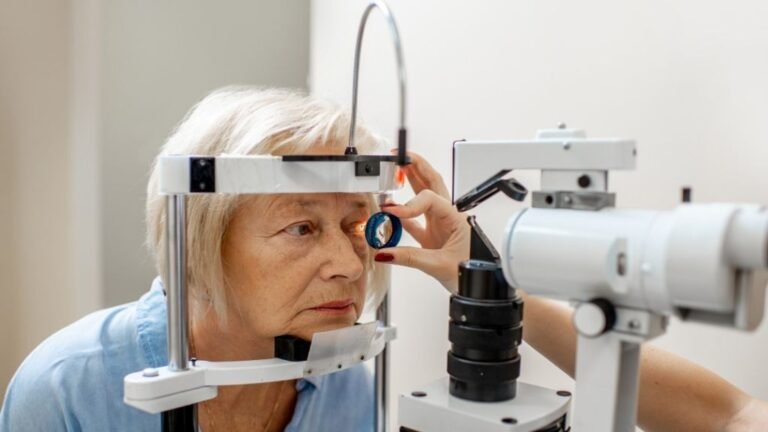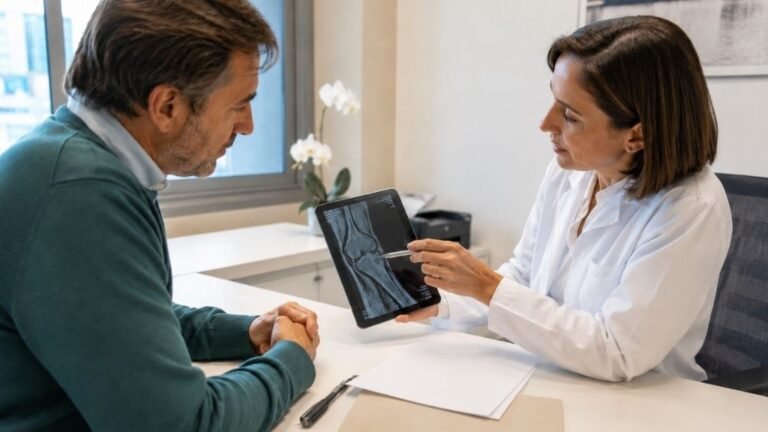

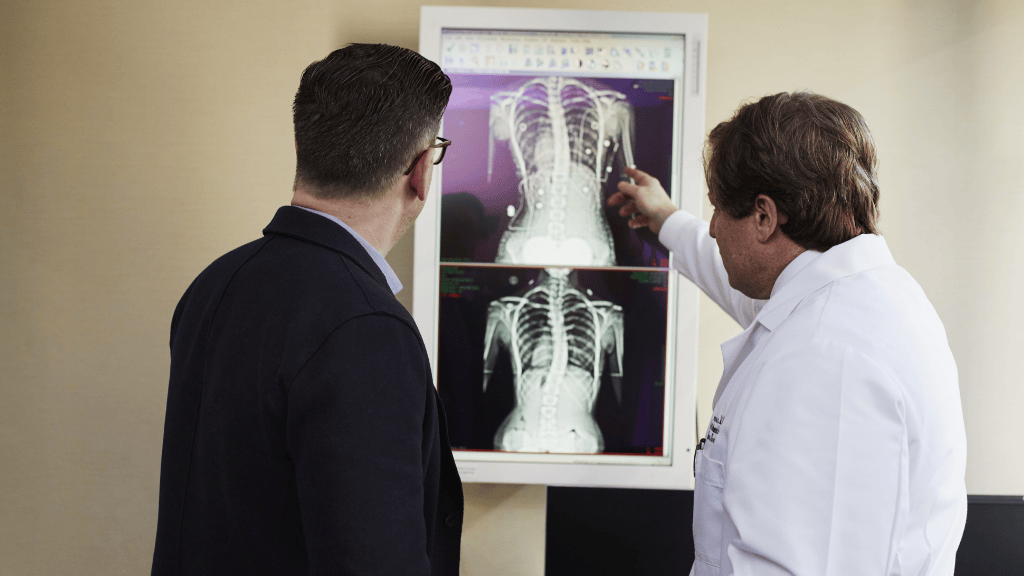
Orthopedic and traumatology treatments play a key role in restoring mobility, relieving pain and helping patients return to an active life. For international patients seeking reliable orthopedic care, Spain has become a trusted destination thanks to its modern hospitals, experienced specialists and efficient access to diagnosis and treatment. At Ribera Care International, patients benefit from a coordinated, patient-focused approach that covers the full spectrum of orthopedic and traumatology conditions, from initial assessment to advanced surgical solutions.
Musculoskeletal problems can affect people of all ages, whether due to injury, degeneration or chronic conditions. When patients understand how orthopedic and traumatology treatments are structured, they can make informed decisions and follow the most appropriate care pathway.
Understanding Orthopedic and Traumatology Care
Orthopedics and traumatology focus on conditions affecting bones, joints, muscles, tendons and ligaments. These specialties address both acute injuries, such as fractures or dislocations, and long-term conditions like arthritis or spinal degeneration. The goal is always the same: restore function, reduce pain and improve quality of life.
At Ribera Care International, orthopedic care is based on accurate diagnosis, individualized treatment planning and a step-by-step approach that prioritizes conservative options before considering surgery. When surgery is required, advanced techniques are used to minimize tissue damage and support recovery.
From Diagnosis to Treatment: How Orthopedic Care Works
The first step in any orthopedic or traumatology treatment is a precise diagnosis. Patients often arrive with pain, stiffness or loss of mobility, but identifying the exact cause is essential for choosing the right treatment.
Diagnosis usually includes a clinical examination combined with imaging studies such as X-rays, MRI or CT scans. These tools allow specialists to assess bone alignment, cartilage condition, soft tissue injuries and joint stability. Once the diagnosis is clear, the medical team discusses all available options with the patient.
Treatment plans may include:
- Physiotherapy and rehabilitation
- Pain management and medication
- Activity modification and lifestyle guidance
- Minimally invasive procedures
- Surgical intervention when necessary
This structured approach ensures that doctors recommend surgery only when it offers clear benefits.
Hip and Pelvis Surgery: Diagnosis and Treatment of Complex Conditions
The hip and pelvic region plays a central role in mobility and weight-bearing. Conditions affecting this area often have a significant impact on daily activities such as walking, standing or sitting.
Common hip and pelvis conditions include arthritis, fractures, dislocations and congenital abnormalities. In early stages, treatment may focus on pain control, physiotherapy and mobility support. As joint damage progresses, surgical options may be considered.
Ribera Care International offers comprehensive hip care, including hip replacement for patients with advanced joint degeneration. International patients frequently choose hip replacement surgery in Spain because of shorter waiting times and access to experienced orthopedic teams. The objective is to restore joint function, reduce pain and allow patients to return to an active lifestyle.
Spine and Back Surgery: Managing Chronic Pain and Structural Disorders
Spine and back disorders are among the most common reasons patients seek orthopedic care. These conditions may result from degeneration, injury or structural abnormalities and often cause persistent pain or neurological symptoms.
Spine and back treatments address issues such as herniated discs, spinal injuries, scoliosis and chronic back pain. Initial management typically involves physiotherapy, pain control and posture or activity adjustments. When conservative measures are insufficient, surgical treatment may be considered.
Spinal surgery in Spain is performed using modern techniques that aim to relieve nerve compression, stabilize the spine and improve mobility. At Ribera Care International, spine specialists evaluate each case carefully to determine whether surgery is appropriate and which approach best suits the patient’s condition.
Shoulder and Elbow Surgery: From Tendon Injuries to Joint Replacement
The shoulder and elbow joints are essential for daily tasks that involve lifting, reaching and carrying. Injuries or degenerative conditions in this area can significantly limit independence.
Common shoulder and elbow problems include rotator cuff injuries, dislocations, tendonitis and arthritis. Treatment often starts with physiotherapy and activity modification to reduce pain and improve strength. When joint damage is severe or conservative treatment fails, surgical options may be explored.
Shoulder surgery in Spain includes both joint-preserving procedures and shoulder replacement when arthritis or structural damage is advanced. Ribera Care International coordinates shoulder care pathways that focus on restoring movement and reducing discomfort while supporting safe recovery.
Hand and Wrist Surgery: Precision Treatment for Function and Mobility
Conditions affecting the hand and wrist can have a major impact on fine motor skills and everyday activities. Orthopedic and traumatology treatments in this area require precision and careful planning.
Hand and wrist conditions include carpal tunnel syndrome, fractures, tendon injuries and arthritis. Treatment aims to relieve pain, restore movement and protect nerve function. In many cases, early intervention prevents long-term complications.
At Ribera Care International, hand and wrist care combines accurate diagnosis with tailored treatment, ensuring that patients regain function while minimizing downtime.
Knee Surgery: Comprehensive Management from Injury to Knee Replacement
The knee is one of the most commonly treated joints in orthopedic practice. Its complex structure makes it vulnerable to injuries and degenerative changes that affect stability and movement.
Knee conditions include ligament tears, meniscus injuries, arthritis and post-traumatic damage. Early treatment may involve physiotherapy and strengthening programs, but advanced degeneration often requires surgical intervention.
Knee replacement surgery is one of the most requested orthopedic procedures among international patients visiting Spain. Ribera Care International provides access to knee replacement surgery performed by experienced specialists, with a focus on restoring mobility and supporting long-term joint function.
Foot and Ankle Surgery: Restoring Stability and Movement
Foot and ankle disorders can disrupt balance and gait, leading to pain and reduced independence. These conditions range from acute injuries to chronic deformities.
Common foot and ankle problems include sprains, fractures, bunions, Achilles tendon injuries and structural deformities. Treatment often begins with conservative measures such as immobilization, physiotherapy or orthotic support. When necessary, surgery is considered to correct alignment or repair damaged structures.
Orthopedic foot and ankle care in Spain emphasizes restoring stability and allowing patients to return safely to daily activities.
Advanced Orthopedic Surgery in Spain for International Patients
When surgery becomes necessary, modern orthopedic care focuses on techniques that reduce trauma and support recovery. Minimally invasive approaches, careful implant selection and structured rehabilitation are key components of advanced surgery.
At Ribera Care International, surgical decisions are made based on each patient’s diagnosis, lifestyle and expectations. Popular procedures include hip replacement, knee replacement and shoulder surgery, all performed within a coordinated care pathway that prioritizes safety and patient understanding.
Recovery After Orthopedic Surgery: Rehabilitation and Follow-Up
Recovery is an essential part of orthopedic and traumatology treatment. Surgery alone is not enough; rehabilitation ensures that patients regain strength, mobility and confidence.
Rehabilitation programs are tailored to the treated joint and the patient’s condition. They may include guided physiotherapy, mobility exercises and gradual return to daily activities. International patients often appreciate the structured follow-up provided by Ribera Care International, even after returning home.
Why International Patients Choose Spain for Orthopedic Care
Spain is increasingly recognized for its patient-centered orthopedic services. International patients benefit from clear communication, efficient coordination and access to modern private hospitals.
Ribera Care International supports patients throughout the entire process, from initial medical review to treatment planning and follow-up. This integrated approach helps patients feel informed and supported at every stage.
If you are considering orthopedic and traumatology treatments in Spain and would like a personalized treatment plan, you can contact Ribera Care International through our contact form.
Frequently Asked Questions About Orthopedic Surgery in Spain
What conditions are treated within orthopedic and traumatology care?
When should I consider surgery instead of conservative treatment?
Is orthopedic surgery in Spain suitable for international patients?
Can I receive hip, knee or shoulder surgery through Ribera Care International?
How do I start the process for orthopedic treatment in Spain?
This article is for informational purposes only and should not replace professional medical advice. Always consult a qualified specialist regarding your individual case.