
Sleep apnea surgery may be considered when obstructive sleep apnea affects breathing during sleep and CPAP is not tolerated, not effective enough or not suitable for the patient. Obstructive sleep apnea happens when the upper airway repeatedly narrows or collapses during sleep, causing pauses in breathing, snoring, oxygen drops and fragmented sleep.
For international patients looking for private ENT surgery in Spain, surgical treatment may be an option when conservative treatment or CPAP therapy does not solve the problem. The right approach depends on the patient’s anatomy, sleep study results, nasal breathing, throat obstruction, weight, previous treatment and the ENT specialist’s assessment.
This guide is designed to help international patients understand when sleep apnea surgery may be discussed, which surgical options may be considered and how Ribera Care International can support case review and treatment planning in Spain.
Quick answer: Sleep apnea surgery may be considered for selected patients with obstructive sleep apnea when CPAP or other treatments are not tolerated, not effective enough or cannot be used consistently. Surgical options may address obstruction in the nose, soft palate, tonsils, tongue base or jaw, depending on where the airway collapses.
The decision should be based on a sleep study, ENT assessment, airway evaluation and a personalized treatment plan.
What is obstructive sleep apnea?
Obstructive sleep apnea is a sleep-related breathing disorder in which the upper airway repeatedly becomes blocked during sleep. These breathing pauses can reduce oxygen levels, interrupt sleep and cause daytime symptoms such as tiredness, poor concentration, morning headaches or sleepiness.
Many patients first notice loud snoring, choking episodes, waking up gasping or feeling unrefreshed despite spending enough hours in bed. Partners may also notice pauses in breathing during the night.
Sleep apnea is not only a snoring problem. Untreated obstructive sleep apnea can affect quality of life and may be associated with cardiovascular, metabolic and safety risks, so medical assessment is important when symptoms are persistent or severe.
What symptoms can suggest sleep apnea?
Sleep apnea symptoms can appear during the night and during the day. Some patients mainly notice loud snoring, while others seek medical help because of fatigue, poor sleep quality or difficulty staying alert.
Symptoms can overlap with other sleep disorders, nasal obstruction, obesity, alcohol use, medication effects or neurological conditions. A sleep study is usually needed to confirm the diagnosis and assess severity.
Night symptoms
Loud snoring, choking, gasping, restless sleep or witnessed pauses in breathing may suggest sleep apnea.
Daytime symptoms
Patients may feel tired, sleepy, irritable or unable to concentrate during the day.
Morning symptoms
Morning headaches, dry mouth or waking up unrefreshed can also occur in some patients.
What is CPAP and why is it used first?
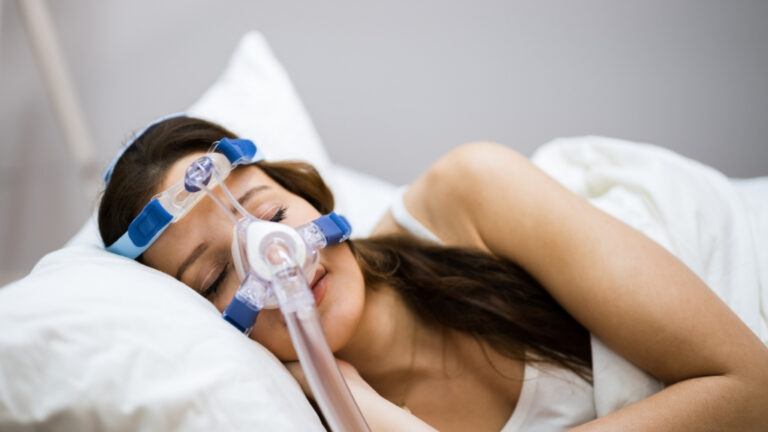
CPAP, or continuous positive airway pressure, is a common treatment for obstructive sleep apnea. The device delivers air pressure through a mask to help keep the upper airway open during sleep.
For many patients, CPAP can be effective when it is used consistently and correctly. However, some people struggle with mask discomfort, nasal blockage, claustrophobia, air leaks, dryness, sleep disruption or difficulty using the device every night.
Before considering surgery, patients should usually discuss CPAP problems with their sleep specialist. Adjusting mask type, pressure settings, humidification or nasal treatment may improve tolerance in some cases.
When may sleep apnea surgery be considered?
Sleep apnea surgery may be considered when CPAP is not tolerated, cannot be used consistently or does not control symptoms adequately. It may also be discussed when a specific anatomical obstruction is identified and can be treated surgically.
Surgery is not the same for every patient. Some patients may need nasal surgery to improve airflow or CPAP tolerance, while others may need treatment of the soft palate, tonsils, tongue base or jaw. The surgical plan depends on where the airway is narrowing or collapsing.
Important: Sleep apnea surgery should not be planned only because a patient snores.
A confirmed diagnosis, sleep study results and airway assessment are needed to decide whether surgery may be appropriate.
What surgical options can be considered for sleep apnea?
Surgical options for obstructive sleep apnea depend on the level of obstruction. The upper airway includes the nose, soft palate, tonsils, tongue base and jaw, and each patient may have a different pattern of collapse.
The ENT specialist may recommend one procedure or a staged approach. In some cases, surgery is used to improve CPAP tolerance rather than replace CPAP completely.
| Area treated | Possible procedure | When it may be discussed |
|---|---|---|
| Nose | Septoplasty, turbinate reduction or nasal valve procedures. | Nasal obstruction, poor nasal airflow or difficulty tolerating CPAP. |
| Soft palate | Palatal surgery or uvulopalatopharyngoplasty in selected cases. | Collapse or obstruction at the level of the soft palate. |
| Tonsils | Tonsillectomy or tonsil reduction when enlarged tonsils contribute to obstruction. | Large tonsils or throat narrowing contributing to sleep apnea. |
| Tongue base | Selected procedures to reduce tongue base obstruction. | Collapse behind the tongue during sleep. |
| Jaw | Maxillomandibular advancement in selected severe cases. | Structural airway narrowing related to jaw position or facial anatomy. |
Can nasal surgery help sleep apnea?
Nasal surgery can help selected sleep apnea patients when nasal obstruction contributes to poor breathing or makes CPAP difficult to tolerate. Procedures such as septoplasty or turbinate reduction may improve nasal airflow, although they are not always a complete treatment for obstructive sleep apnea on their own.
For some patients, improving nasal airflow can make CPAP easier to use or reduce nasal symptoms that interfere with sleep. Ribera’s ENT procedure list includes septoplasty, radiofrequency of turbinates and nasal surgery options, so the ENT assessment should identify whether the nose is part of the problem.
Patients can also read more about septoplasty surgery and sinus surgery in Spain.
How is sleep apnea diagnosed before surgery?
Sleep apnea should be diagnosed with a sleep study before surgery is planned. A sleep study helps measure breathing interruptions, oxygen levels, sleep quality and severity of the condition.
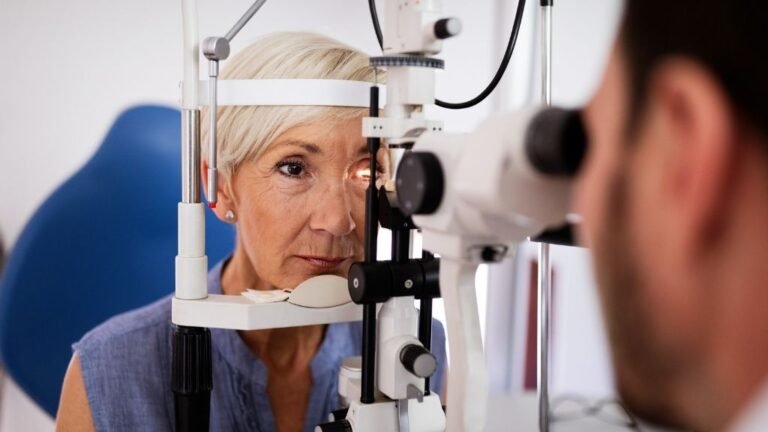
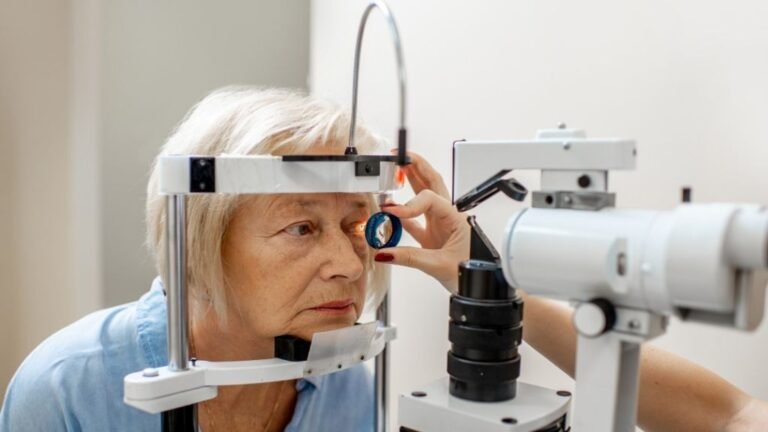
The specialist will also review symptoms, medical history, weight, medication, alcohol use, nasal breathing, jaw structure and previous treatments. ENT examination may include nasal endoscopy or airway evaluation to identify possible sites of obstruction.
In some cases, the specialist may recommend additional assessment to understand where the airway collapses during sleep. This helps personalize the surgical plan and avoid choosing a procedure that does not address the main obstruction.
What happens during sleep apnea surgery?
What happens during sleep apnea surgery depends on the procedure selected. A nasal procedure, palatal procedure, tonsil surgery or jaw surgery all involve different techniques, anesthesia, hospital pathways and recovery expectations.
The surgeon will explain which part of the airway is being treated, why that procedure is recommended and what improvement can realistically be expected. The treatment plan should also clarify whether surgery is intended to reduce symptoms, improve CPAP tolerance, reduce apnea severity or address a specific anatomical blockage.
Because obstructive sleep apnea can have more than one cause, some patients may need more than one treatment approach. Surgery may be part of a broader plan that includes weight management, sleep position changes, dental appliances or continued CPAP support.
Does sleep apnea surgery always replace CPAP?
Sleep apnea surgery does not always replace CPAP. In some patients, surgery may reduce obstruction and improve symptoms, while in others it may help them tolerate CPAP better or reduce the pressure required.
Patients should have realistic expectations before surgery. The outcome depends on the severity of sleep apnea, anatomy, body weight, site of obstruction, procedure performed and long-term follow-up.
Important: The goal of surgery should be clearly defined before treatment.
Patients should ask whether surgery is expected to improve nasal airflow, reduce snoring, reduce apnea severity, support CPAP use or potentially reduce dependence on CPAP.
Recovery after sleep apnea surgery
Recovery after sleep apnea surgery depends on the procedure performed. Nasal surgery, turbinate radiofrequency, tonsil surgery, soft palate procedures and jaw surgery all have different recovery timelines and restrictions.
Patients may need pain control, wound care, nasal rinses, diet modification, rest, time off work or follow-up visits. The surgeon will provide specific instructions based on the procedure.
| Procedure type | Recovery considerations |
|---|---|
| Nasal surgery | Nasal blockage, crusting or mild bleeding may occur while the nose heals. |
| Turbinate radiofrequency | Recovery may involve nasal care and temporary congestion as swelling improves. |
| Palatal or throat surgery | Throat pain, swallowing discomfort and diet changes may be part of recovery. |
| Tonsil surgery | Pain control, hydration and bleeding precautions are important after surgery. |
| Jaw surgery | Recovery can be longer and may involve diet changes, swelling and specialist follow-up. |
Who may not be a good candidate for sleep apnea surgery?
Not every patient with sleep apnea is a good candidate for surgery. Surgery may be less suitable when the main problem is not anatomical obstruction, when medical risks are high or when the patient has not completed appropriate diagnostic assessment.
Central sleep apnea, severe uncontrolled medical conditions, certain medication-related breathing problems or untreated contributing factors may require a different pathway. The specialist will also consider body weight, cardiovascular risk, airway anatomy and previous treatment response.
Patients should not stop CPAP or other prescribed treatment without medical advice, especially when sleep apnea is moderate or severe.
Planning sleep apnea surgery in Spain with Ribera Care International
Ribera Care International supports international patients who need private ENT assessment and treatment planning in Spain. Patients can send their sleep study results, ENT reports and previous CPAP information before travelling so the case can be reviewed.
This support can help patients understand whether surgery may be appropriate, which specialist should assess the case and what documents are needed before planning treatment in Spain.
Request a sleep apnea surgery assessment
Send us your sleep study, ENT reports or CPAP information. Ribera Care International will help coordinate your case review and guide you through the next steps for sleep apnea treatment planning in Spain.
What documents should international patients send?
International patients should send documents that help the ENT specialist and sleep team understand the diagnosis, severity and previous treatment. Complete documentation can make the case review more useful before travelling.
Useful documents may include:
- Sleep study report or polysomnography results.
- Diagnosis of obstructive sleep apnea and severity level.
- CPAP prescription, pressure settings and tolerance issues.
- ENT report or nasal endoscopy report, if available.
- Information about snoring, choking episodes and daytime sleepiness.
- Medication list and relevant medical history.
- Weight, height and relevant comorbidities.
- Previous nasal, throat, tonsil or jaw surgery reports.
- Preferred travel dates, if already known.
Patients preparing for treatment abroad can also read this guide: what medical documents do you need before travelling to Spain for surgery?
Why choose Ribera Care International for sleep apnea surgery in Spain?
Ribera Care International helps international patients access private healthcare in Spain with coordinated support before travelling, during hospital planning and throughout the first stages of the treatment pathway. For sleep apnea surgery, this means helping patients prepare their case, connect with the appropriate specialists and understand the next steps.
Case review before travel
Patients can send sleep study results, CPAP information and ENT reports before travelling.
ENT treatment planning
The treatment pathway is personalized according to airway anatomy, symptoms and specialist recommendation.
International coordination
The team helps coordinate communication, appointments and hospital planning for patients travelling from abroad.
Patients can also explore Ribera hospitals in Spain, request a second medical opinion or contact the team directly through Ribera Care International.
Request sleep apnea surgery assessment in Spain
Sleep apnea surgery should be planned only after proper diagnosis, sleep study review and specialist assessment. The right treatment depends on the severity of sleep apnea, airway anatomy, CPAP tolerance, medical history and patient goals.
Send your sleep study, ENT reports or CPAP information to Ribera Care International. Our team will help coordinate your case review and guide you through the next steps for sleep apnea surgery planning in Spain.