

Septoplasty surgery is a procedure to correct a deviated nasal septum when it causes persistent nasal obstruction, breathing difficulties, recurring sinus problems or sleep-related breathing issues. The goal is to improve airflow through the nose, not to change the external appearance of the nose.
Breathing well through the nose is something many people only appreciate when it becomes difficult. A blocked nose, constant congestion or difficulty sleeping can affect daily energy, exercise, rest and quality of life. Septoplasty surgery may be recommended when these symptoms are caused by a deviated septum and do not improve enough with medical treatment.
For international patients, travelling for treatment in Spain can be a practical option when they want clear medical guidance, coordinated hospital care and a personalized surgical plan. At Ribera Care International, the medical team assesses each case individually, helping patients understand whether septoplasty is the right option for their condition and what to expect before, during and after surgery.
What is septoplasty surgery?
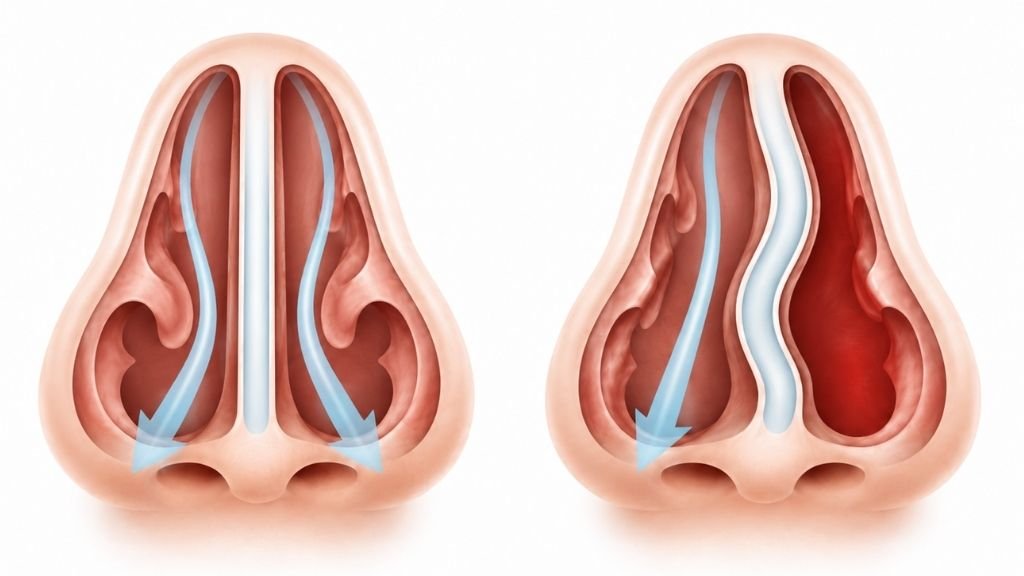
Septoplasty surgery is an operation to straighten or correct the nasal septum. The nasal septum is the internal wall made of cartilage and bone that separates the two sides of the nose.
Ideally, the septum should sit near the centre of the nose, allowing air to pass comfortably through both nostrils. When the septum is bent, displaced or deviated, it can narrow one or both nasal passages. This is known as a deviated septum.
A deviated septum can be present from birth, develop as the face grows or result from an injury. Not every deviated septum needs surgery. Many people have some degree of nasal asymmetry and breathe normally.
Septoplasty is usually considered when the deviation causes symptoms that interfere with breathing, sleep or quality of life. The goal of the procedure is functional: to improve airflow through the nose by repositioning, reshaping or removing parts of the deviated cartilage or bone while preserving nasal support.
Septoplasty vs rhinoplasty: what is the difference?
Patients often confuse septoplasty and rhinoplasty, but they are different procedures. Surgeons perform septoplasty to improve nasal function, while rhinoplasty focuses on changing the external appearance of the nose.
| Procedure | Main goal | What it treats | Does it change appearance? |
|---|---|---|---|
| Septoplasty | Improve nasal breathing | Deviated septum and internal nasal obstruction | Usually no |
| Rhinoplasty | Change the shape of the nose | External nasal appearance or structure | Yes |
| Septorhinoplasty | Improve function and appearance | Breathing problems and nasal shape concerns | Yes, when planned |
In some cases, the surgical team may combine septoplasty with rhinoplasty in a procedure called septorhinoplasty. Specialists may recommend this option when a patient has both functional breathing problems and concerns about the external structure of the nose.
When is septoplasty recommended?
Septoplasty surgery may be recommended when a deviated septum causes symptoms that do not improve sufficiently with conservative treatment.
Persistent nasal obstruction
One or both nostrils feel blocked, especially at night or during physical activity.
Breathing difficulties
The patient finds it difficult to breathe comfortably through the nose and may rely on mouth breathing.
Recurrent sinus problems
Poor nasal airflow may contribute to recurring sinus pressure, congestion or infections in selected cases.
Sleep-related breathing issues
A deviated septum may contribute to snoring, poor sleep quality or breathing discomfort at night.
A specialist assessment is important because nasal obstruction can have several causes. Allergies, enlarged turbinates, nasal polyps, chronic sinusitis or other conditions can also make breathing difficult. Septoplasty is only appropriate when the septum is a significant part of the problem.
International patients who already have a diagnosis, nasal endoscopy results, CT scans or previous ENT reports can request a second medical opinion before deciding whether surgery is needed.
Symptoms of a deviated septum
Some people with a deviated septum have no symptoms. Others may experience daily discomfort that becomes gradually more noticeable.
One-sided nasal blockage
One nostril may feel more blocked than the other, especially during sleep or physical activity.
Congestion at night
Nasal congestion may feel worse when lying down, making it harder to breathe comfortably.
Difficulty breathing during sleep
Restricted airflow may affect sleep quality and lead to mouth breathing during the night.
Dry mouth from mouth breathing
When nasal breathing is limited, patients may breathe through the mouth more often.
Sinus pressure or infections
In some cases, poor nasal airflow may contribute to recurrent sinus pressure or infections.
Snoring or noisy breathing
A deviated septum may contribute to noisy breathing or snoring, especially at night.
These symptoms can affect quality of life more than patients expect. Poor nasal breathing may disturb sleep, reduce energy during the day and make physical activity more uncomfortable.
However, it is important not to self-diagnose. A medical evaluation helps confirm whether the septum is the main cause and whether septoplasty surgery could help.
How is septoplasty surgery performed?
Septoplasty is usually performed through the inside of the nose. This means there are typically no visible external incisions.
The exact surgical technique depends on the patient’s anatomy and the degree of deviation. In general, the surgeon carefully lifts the thin lining that covers the septum, adjusts the deviated cartilage or bone, and repositions the septum to improve the nasal airway.
1. Access through the nostrils
The surgeon works inside the nose, usually without external cuts.
2. Correction of the septum
The surgeon reshapes, repositions or partially removes the deviated cartilage or bone when needed.
3. Support and healing
Internal splints or soft packing may be used temporarily, depending on the surgical plan.
The medical team may use general anesthesia or, in some cases, local anesthesia with sedation, depending on the patient’s needs, the surgical plan and the specialist’s recommendation.
ENT specialists often perform septoplasty as outpatient or short-stay surgery. However, the final plan depends on the patient’s health, the complexity of the case and whether the surgical team recommends combining other procedures with septoplasty.
Can septoplasty be combined with other nasal procedures?
The surgical team may combine septoplasty with other ENT procedures when nasal obstruction has more than one cause.
Some patients also have enlarged turbinates. Turbinates are structures inside the nose that help warm, humidify and filter the air. When they become enlarged, they can block airflow. In these cases, the specialist may recommend turbinate reduction or turbinate radiofrequency.
Other patients may have chronic sinusitis or nasal polyps. If the main problem involves the sinuses, the surgeon may assess whether endoscopic sinus surgery is appropriate.
At Ribera Care International, treatment is planned individually. The aim is not only to correct the septum, but to understand the full cause of nasal obstruction and recommend the most suitable approach.
Before septoplasty surgery: how patients are assessed
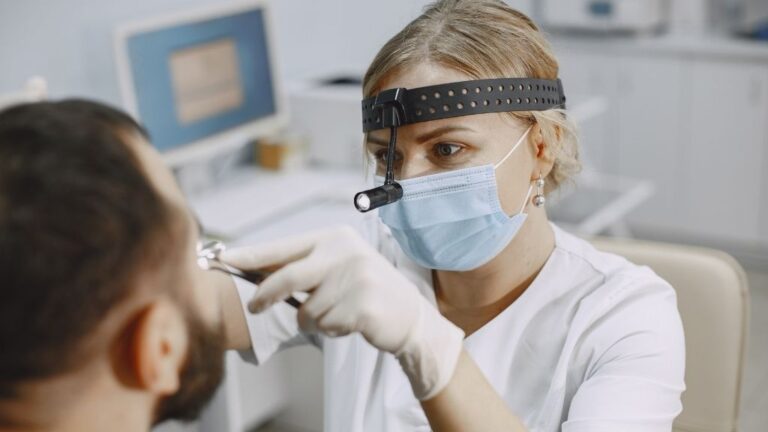
Before septoplasty surgery, patients need a medical assessment with an ENT specialist. This helps confirm the diagnosis and define whether surgery is really necessary.
The assessment may include:
- Review of symptoms and medical history
- Physical examination of the nose
- Nasal endoscopy, when needed
- Imaging tests, such as CT scan, if sinus disease is suspected
- Review of allergies, previous trauma or previous nasal surgery
- Discussion of medications and bleeding risk
- Evaluation of expectations and recovery needs
International patients should prepare any available medical information before requesting a treatment plan. This may include ENT reports, scan results, allergy history, medication list and previous treatments tried.
Ribera Care International helps coordinate this process so patients can share their case before travelling and receive clear guidance on next steps.
Septoplasty recovery: what to expect
Septoplasty recovery varies from patient to patient. Most people should expect some temporary congestion, swelling, mild bleeding or pressure during the first days after surgery.
| Recovery stage | What patients may experience | General recommendations |
|---|---|---|
| First days | Congestion, pressure, mild bleeding or swelling | Rest, follow nasal care instructions and avoid blowing the nose |
| First 1–2 weeks | Gradual improvement in comfort and breathing | Avoid intense exercise and attend follow-up if required |
| Following weeks | Breathing may continue to improve as swelling decreases | Follow medical advice before resuming strenuous activity |
| Longer-term healing | Internal healing continues gradually | Contact the care team if symptoms persist or worsen |
The nose may feel blocked at first, even though the goal of surgery is to improve breathing. This is usually due to swelling, internal splints or healing tissue. Breathing often improves gradually as swelling decreases and the nasal passages heal.
During the first stage of recovery, patients should rest, avoid strenuous activity and follow nasal care instructions carefully. The medical team will explain how to clean the nose, whether to use saline rinses and when to attend follow-up appointments.
Full internal healing can take longer than the first visible recovery phase. This is why follow-up care is important, especially for international patients who return home after surgery.
Recovery tips after septoplasty
Patients should always follow their surgeon’s specific instructions. General recommendations may include:
Rest with your head elevated
Keeping the head slightly elevated may help reduce swelling during the first days.
Avoid blowing your nose
Patients should avoid blowing the nose until the medical team confirms it is safe.
Avoid intense exercise
Heavy lifting and strenuous activity may increase the risk of bleeding during early recovery.
Do not smoke
Smoking may interfere with healing and should be avoided before and after surgery.
Follow nasal care instructions
Saline rinses or nasal cleaning should only be used if recommended by the medical team.
Attend follow-up appointments
Follow-up helps the specialist check healing and detect any issues early.
Contact the care team if bleeding, fever, severe pain or breathing difficulties occur.
Possible risks and limitations
Septoplasty is a commonly performed ENT procedure, but like any surgery, it has possible risks. These may include bleeding, infection, persistent nasal obstruction, changes in smell, septal perforation, scar tissue, numbness or the need for further treatment.
The septum does not cause all breathing problems. Allergies, enlarged turbinates, sinus disease or other factors can also affect nasal airflow, so some patients may need additional treatment.
Septoplasty can improve airflow when a deviated septum is a major cause of nasal obstruction. However, other factors such as allergies, enlarged turbinates or sinus disease may also affect breathing, so each case requires an individual medical assessment.
Septoplasty surgery in Spain for international patients

Spain is a popular destination for international patients seeking private medical care, including ENT procedures, orthopedic surgery and other planned treatments.
For international patients, coordinated care is one of the most important advantages of planning surgery in Spain. Travelling for surgery involves more than the operation itself. Patients need to understand the diagnosis, the treatment plan, hospital stay, recovery timeline, follow-up and when it is safe to travel home.
Ribera Care International supports patients throughout this process. The team helps coordinate medical assessment, hospital information, documentation, language support and follow-up planning.
Patients considering septoplasty surgery in Spain can send their case and receive guidance on whether Ribera’s ENT teams may be able to help. The same international patient pathway also supports other procedures available within the Ribera network, including hip replacement, knee replacement and shoulder surgery, as well as other planned surgical treatments.
What documents should international patients send?
To receive a more accurate assessment, international patients should share as much relevant information as possible.
| Medical information | Why it helps |
|---|---|
| ENT consultation reports | Helps understand the diagnosis and previous medical opinion |
| Nasal endoscopy report | Shows the internal nasal anatomy when available |
| CT scan or imaging results | Useful if sinus disease or structural obstruction is suspected |
| Medication list | Helps assess bleeding risk and anesthesia planning |
| Previous treatments tried | Shows whether medical treatment has already been attempted |
| History of trauma or surgery | Helps the specialist understand previous nasal changes |
This information helps the medical team understand whether septoplasty surgery may be appropriate or whether another treatment pathway should be considered.
Is septoplasty right for every blocked nose?
No. This is one of the most important points for patients to understand.
A blocked nose does not always mean the patient needs septoplasty. Nasal obstruction can be caused by allergic rhinitis, chronic inflammation, enlarged turbinates, nasal polyps, sinusitis or structural changes other than septal deviation.
In some cases, medical treatment may be recommended first. This might include nasal sprays, allergy management, saline rinses or treatment for sinus inflammation. Surgery is usually considered when symptoms persist and the anatomical obstruction is clear.
A proper diagnosis is essential before making a decision.
Frequently asked questions about septoplasty surgery
Is septoplasty surgery painful?
How long does septoplasty recovery take?
Does septoplasty change the shape of the nose?
Can I fly after septoplasty surgery?
Can I receive septoplasty surgery in Spain with Ribera Care International?
Take the next step
If nasal obstruction, breathing difficulties or a deviated septum are affecting your quality of life, the first step is to understand whether septoplasty surgery is appropriate for your case.
Ribera Care International can help you review your medical information, coordinate specialist assessment and prepare a personalized treatment plan in Spain.