Rhinoplasty in Spain: Cost, Recovery and What International Patients Need to Know
Table of Contents
Rhinoplasty in Spain has become one of the most sought-after procedures among international patients travelling for medical care and for good reason. Spain combines highly qualified surgeons, modern private hospital facilities, and significantly lower costs than the UK, Ireland or the United States, all without compromising on clinical standards. If you are considering a nose job abroad and wondering whether Spain is the right destination, this guide will walk you through everything you need to make an informed decision: what the procedure involves, what it costs, how recovery works, and what to expect when you choose to have it done here.
What Is Rhinoplasty and Who Is It For?
Rhinoplasty, commonly referred to as a nose job, is a surgical procedure that reshapes the nose to improve its appearance, its function, or both. It is one of the most complex facial surgeries available, requiring a high level of technical skill and an understanding of how the nose interacts with the rest of the face.
Patients typically consider rhinoplasty for one or more of the following reasons:
Reducing or refining a dorsal hump on the bridge of the nose
Narrowing a wide nasal bridge or tip
Correcting asymmetry
Addressing a drooping or upturned tip
Improving breathing function related to a deviated septum
Refining results from a previous procedure (revision rhinoplasty)
It is worth noting that rhinoplasty is not a one-size-fits-all surgery. A skilled surgeon will always assess your facial structure as a whole and aim for a result that looks natural and balanced, not a standardised outcome that ignores your individual features.
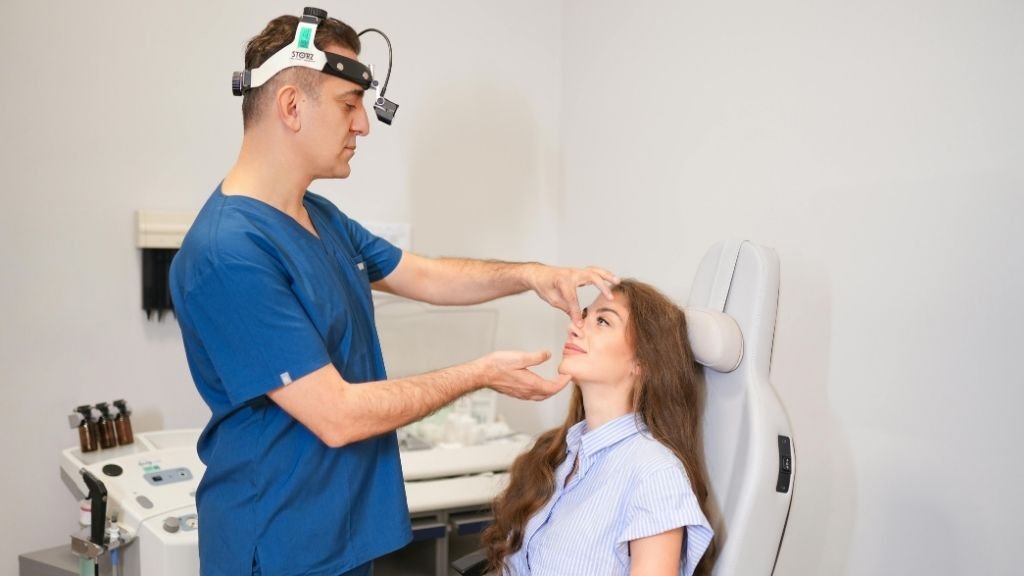
Understanding how rhinoplasty works, both from a functional and aesthetic perspective, is key before making any decision. In this short video, one of our specialists explains how the procedure can improve both facial harmony and breathing:
Specialist explaining how rhinoplasty can improve both facial harmony and breathing function.
As highlighted by our specialist, rhinoplasty is not only about changing appearance, it is about achieving a natural balance and, in many cases, improving breathing function at the same time.
Why International Patients Choose Spain for Rhinoplasty
Spain has established itself as a leading destination for medical tourism in Europe, and rhinoplasty is one of the procedures that draws the largest number of international patients, particularly from the UK, Ireland, and other European countries.
There are several reasons for this:
The cost difference is one of the main reasons why international patients choose Spain for rhinoplasty. In countries such as the UK or the United States, the procedure is typically more expensive, especially when performed in private healthcare settings.
In Spain, rhinoplasty is often more accessible while maintaining high clinical standards. Many clinics offer comprehensive treatment packages that include surgeon fees, anaesthesia, pre-operative assessments, the use of the operating theatre, and initial follow-up care.
This allows patients to benefit from significant savings without compromising on quality, safety or medical expertise. Beyond cost, waiting times in Spain’s private healthcare sector are typically much shorter than in public systems elsewhere. Spanish surgeons who specialise in facial plastic surgery often hold international training credentials and are members of recognised professional associations. Many clinics and hospitals catering to international patients have English-speaking coordinators, surgeons, and support staff, making the process straightforward from the first consultation.
Types of Rhinoplasty Available in Spain
Understanding the different approaches helps set realistic expectations before you speak to a surgeon.
Open vs Closed Rhinoplasty
In open rhinoplasty, a small incision is made on the columella (the strip of skin between the nostrils), allowing the surgeon full access to the nasal structure. This approach is preferred for more complex reshaping work. In closed rhinoplasty, all incisions are made inside the nostrils, leaving no visible external scarring. It suits patients who need more limited modifications.
Primary vs Revision Rhinoplasty
A primary rhinoplasty is the first surgical intervention on the nose. Revision rhinoplasty, correcting or refining the result of a previous procedure, is technically more demanding, involves scar tissue, and is typically priced higher.
Ultrasonic Rhinoplasty
An increasingly popular technique in Spain, ultrasonic rhinoplasty uses piezoelectric technology to reshape nasal bones with greater precision than traditional instruments. It tends to result in less bruising and a smoother recovery. The cost for this approach generally sits between €5,500 and €9,000.
Functional Rhinoplasty
When the goal is to correct a structural problem, such as a deviated septum affecting breathing, the procedure is referred to as functional rhinoplasty. In some cases, this can be combined with aesthetic work in a single surgery.
How Much Does Rhinoplasty Cost in Spain?
Pricing for rhinoplasty in Spain varies depending on the type of procedure, the surgeon’s level of experience, the clinic or hospital, and the city. As a general guide:
Type of procedure
Approximate cost in Spain
Primary rhinoplasty (open or closed)
€4,000 – €7,000
Ultrasonic rhinoplasty
€5,500 – €9,000
Revision rhinoplasty
€6,000 – €10,000+
Functional rhinoplasty
€3,500 – €6,000
When comparing these figures with prices in the UK or Ireland, the saving is typically in the range of 40–50% for an equivalent procedure. Importantly, when you receive a quote from a reputable clinic in Spain, it should be comprehensive, covering pre-operative consultations, surgical team fees, anaesthesia, the operating theatre, the post-operative splint or dressings, and at least one follow-up appointment before you travel home.
Always request a detailed, written quote and confirm exactly what is and is not included. Additional costs to factor in include your flights, accommodation, and any prescription medication you may need to take home.
What to Expect: Before, During and After Surgery
Before the Procedure
Once you have selected a clinic and a surgeon, the process typically begins with a remote consultation, either by video call or by reviewing photographs you submit. This allows the surgical team to assess your case, discuss your goals, and provide a personalised quote.
If you decide to proceed, you will usually travel to Spain one or two days before the surgery for a full in-person pre-operative consultation, blood tests, and any imaging required. This is also your opportunity to ask any remaining questions and to make sure you feel confident in the team.
During the Procedure
Rhinoplasty is performed under general anaesthesia and takes between one and three hours, depending on the complexity of the work. Most procedures do not require an overnight hospital stay, though this varies by case and clinic.
Recovery and the Return Journey
Recovery from rhinoplasty unfolds gradually. During the first week, you can expect swelling, bruising around the nose and eyes, and some discomfort, all of which are normal. A nasal splint is typically worn for around seven days.
Most surgeons recommend staying in Spain for a minimum of seven to ten days, so that the first follow-up appointment, when the splint is removed, takes place before you fly home. This is an important appointment: it allows the surgeon to assess your early healing and address any concerns.
After the splint is removed, you will see an initial result, though the nose continues to evolve. Most visible swelling resolves within two to three weeks, but the final shape of the nose, particularly at the tip, can take nine to twelve months to fully settle.
In terms of returning to normal activity, most patients feel comfortable in social situations within two to three weeks. Strenuous exercise and contact sports should be avoided for at least six weeks.
Is It Safe to Have Rhinoplasty in Spain?
This is one of the most common questions from patients considering surgery abroad, and it is a sensible one to ask. Spain operates within the EU regulatory framework for healthcare, and private clinics and hospitals catering to international patients are subject to rigorous standards. Many hold international accreditations.
The key to a safe experience is choosing carefully. Look for a board-certified surgeon who specialises in rhinoplasty specifically, not a generalist who performs it occasionally. Ask about their training, the hospital or clinic where the surgery will take place, and what aftercare support is available when you return home.
At Ribera Care International, coordinating safe and well-supported surgical care for international patients is central to what we do. While many patients travel to Spain for procedures such as rhinoplasty, we also support those seeking other types of surgery, including hip replacement in Spain and knee replacement in Spain, always ensuring a personalised and carefully managed experience from the first consultation through to recovery.
Planning Your Trip: Practical Considerations for International Patients
Organising surgery abroad involves more logistics than a local procedure, but the process is manageable when you plan ahead. A few things to think through:
Flights and accommodation should be booked with flexibility in mind. Avoid committing to a fixed return date until your surgeon confirms your post-operative progress. Choose accommodation close to the clinic if possible, so that getting to follow-up appointments is straightforward.
Travel insurance is essential, and it should explicitly cover planned medical procedures abroad. Standard travel policies often exclude this, so check the terms carefully before purchasing.
For patients from the UK and Ireland, having a clear plan for aftercare when you return home is important. Your surgeon in Spain should provide you with written post-operative instructions and contact details for any concerns that arise after you travel. At Ribera Care International, we work to ensure that this coordination is in place before you leave.
Frequently Asked Questions about Rhinoplasty
How much does rhinoplasty in Spain cost?
A primary rhinoplasty in Spain typically ranges from €4,000 to €8,000, depending on the technique and the complexity of the case.
How long do I need to stay in Spain after rhinoplasty?
Most surgeons recommend a minimum of seven to ten days. This allows for the first post-operative follow-up, usually the appointment where the nasal splint is removed, to take place before you fly home. Travelling too soon after surgery is not advisable, and your surgeon will confirm when it is safe for you to travel based on your individual progress.
Is rhinoplasty painful?
Discomfort during the first few days is normal, and most patients describe it as manageable with the pain relief prescribed by their surgeon. Bruising and swelling around the eyes and nose are expected during the first week. The level of discomfort varies between individuals and also depends on the extent of the surgical work carried out.
When will I see the final result?
You will notice an immediate change once the splint is removed, but this is not the final result. Most swelling subsides within two to three weeks, making the result much more visible. However, the nose, particularly the tip, continues to refine for up to twelve months as all residual swelling gradually disappears.
Can Ribera Care International help me organise rhinoplasty in Spain?
Yes. Ribera Care International works with international patients from the UK, Ireland, and across Europe who are seeking planned surgical procedures in Spain. Whether you are exploring rhinoplasty or other procedures, including orthopaedic surgeries such as hip replacement, knee replacement, and shoulder surgery, our team can help you navigate the process from initial enquiry through to post-operative support. We are here to make the experience as smooth and well-supported as possible.
Taking the Next Step
Deciding to have surgery abroad is a significant decision, and it deserves careful thought. Spain offers a genuinely strong combination of medical expertise, competitive pricing, accessible location, and a healthcare environment with high standards, all of which make it a credible and well-established choice for international patients considering rhinoplasty.
If you are ready to find out more about your options, or if you simply have questions you want answered before committing to anything, the team at Ribera Care International is here to help. We work with patients at every stage of the decision-making process, there is no pressure, and no obligation.
This article is for informational purposes only and should not replace professional medical advice. Always consult a qualified specialist regarding your individual case.
If you’d like to speak to someone on the phone about Ribera Health Group’s international patient services, please leave us your details and we’ll give you a call as soon as possible.
Dr. José Lizón
Dr. José Lizón is an orthopedic spine surgeon specializing in minimally invasive techniques, with a medical degree from the University of Oviedo. Throughout his career, Dr. Lizón has distinguished himself for his expertise in endoscopic spine surgery, playing a key role in advancing this technique in Spain.
Languages spoken: Spanish (native), English (intermediate)
Specialties:
Endoscopic spine surgery
Endoscopic treatment of disc herniation and spinal canal stenosis
Dr. Gerd Bordón is an orthopedic spine surgeon specializing in minimally invasive techniques. He graduated from the Free University of Berlin and completed his residency at Hospital Universitario La Fe in Valencia, where he later worked as a spine surgeon from 2007 to 2011. He furthered his training in endoscopic and minimally invasive spine surgery in Germany under Dr. D. Rosenthal, and earned his PhD from the University of Giessen in 2007. He has authored key publications on thoracoscopic disc surgery and complex spinal deformity correction. Dr. Bordón currently serves as Head of the Spine and Back Unit at Hospital Ribera IMSKE.
Languages spoken: German (native), Spanish (intermediate), English (intermediate)
Dr David Fernández-Fernández is a Specialist in Orthopaedic Surgery and Traumatology, with a clinical practice focused on hip and knee joint replacement, joint reconstruction and complex trauma surgery. He integrates minimally invasive hip surgery, robotic-assisted hip and knee surgery and personalised 3D surgical planning, with more than 5,000 procedures performed and surgical experience since 2011.
His practice also includes personalised rapid-recovery protocols in hip and knee surgery, developed and refined by his team to reduce surgical impact, optimise pain control and allow patients to walk on the same day as surgery. He also has experience in joint regenerative medicine, cartilage preservation and biological therapies, including PRP, cellular therapies and hyaluronic acid, aimed at reducing pain, improving function and preserving the joint whenever possible.
He is a member of the Joint Reconstruction and Hip Surgery Unit and the Hand Surgery and Complex Cases Unit at Hospital Universitario del Vinalopó, Elche (Alicante), and Coordinator of the Orthopaedic Surgery and Traumatology Unit at Clínica Ciudad Quesada, Rojales (Alicante). He also performs clinical and surgical activity in other hospital centres across Alicante and the Region of Murcia, and is author and co-author of numerous national and international publications and specialised book chapters.
Languages spoken: Spanish (native), English (intermediate), French (basic)
Specialties:
Hip and knee joint replacement surgery
Joint reconstruction surgery
Minimally invasive hip surgery
Robotic-assisted hip and knee surgery
Revision arthroplasty and complex cases
Personalised surgical planning and 3D reconstruction
Rapid-recovery protocols
Complex trauma and advanced hand surgery
Joint regenerative medicine and cartilage preservation
Dr. Pedro Galindo Fernández is a renowned general surgeon specializing in breast surgery and oncological surgery. With extensive experience and advanced training, he is recognized for his expertise in minimally invasive techniques and complex breast pathology procedures.
Dr. Galindo Fernández obtained his medical degree from the University of Murcia, where he also completed his surgical residency. To further specialize, he pursued a Master’s in Mastology and Breast Pathology at the Universidad Internacional Menéndez Pelayo, the only program accredited by the Fundación de Estudios Mastológicos (FEMA) in Spain. His dedication to continuous medical advancements has positioned him as a leader in breast cancer surgery and reconstructive procedures.
Hospital HCMiraflores is a leading healthcare facility known for its advanced medical services and patient-centered care. Equipped with state-of-the-art technology and a team of highly qualified professionals, the hospital offers a wide range of specialties to meet the diverse healthcare needs of patients.
Hospital Ribera Polusa, located in Lugo, is a trusted private hospital offering high-quality medical care across a wide range of specialties. With advanced technology and a dedicated team of professionals, it provides personalized treatments to ensure the best outcomes.
Clínica Assistens, located in A Coruña’s Matogrande area, offers a wide range of medical specialties, including general medicine, surgery, and psychotherapy. With a focus on personalized care and state-of-the-art services, it is dedicated to providing high-quality healthcare to its patients.
Clínica Ribera Ciudad Quesada is a private healthcare facility offering over 20 medical and surgical specialties, including cardiology, gynecology, and physiotherapy. Equipped with state-of-the-art diagnostic technology, the clinic provides immediate, high-quality care without waiting times.
Hospital Ribera Caravaca provides 24/7 emergency care, general medicine, and advanced diagnostic services with state-of-the-art technology. Established in 1972 and integrated into the Ribera Health Group in 2022, it is committed to high-quality, patient-centered care and actively supports community health initiatives.
Hospital Ribera de Molina is a private healthcare facility offering a comprehensive range of medical and surgical services. It has become a regional benchmark for quality healthcare. Equipped with modern technology and a dedicated team of professionals, it has been recognized for its commitment to excellence.
Hospital Ribera Juan Cardona, located in Ferrol, is a well-established private hospital providing comprehensive medical and surgical services. Equipped with modern technology and a skilled team of professionals, it offers high-quality, patient-centered care.
Hospital Ribera Povisa is one of the largest private hospitals in Europe, renowned for its comprehensive medical services and cutting-edge technology. Located in Vigo, it serves as a benchmark for specialized care and advanced treatments across multiple disciplines.
Hospital Ribera Virgen de la Caridad is a renowned healthcare center offering high-quality, patient-focused medical care across various specialties. Equipped with advanced technology and led by a team of skilled professionals, it ensures exceptional care and outcomes.
Hospital Ribera Covadonga is a trusted healthcare facility known for its patient-centered approach and comprehensive medical services. With a highly skilled team and modern infrastructure, it delivers personalized care across a range of specialties.
Hospital Ribera IMSKE is a leading center for musculoskeletal health, specializing in advanced treatments for orthopedic, sports, and rheumatologic conditions. Equipped with state-of-the-art technology and a multidisciplinary team, it offers personalized care to ensure optimal recovery and patient satisfaction.
Dr. Pilar Serrano is a General and Digestive Surgery Department Head at Ribera. A graduate of the University of Alicante, she holds a Doctorate in Medicine and Surgery, awarded Cum Laude and with an Extraordinary Doctorate Prize. Dr. Serrano completed her residency in General and Digestive Surgery at the General University Hospital of Elche, where she also served as a specialist before joining Hospital Universitario del Vinalopó in 2010 as Head of the Department. She leads the accredited Coloproctology Unit and has spearheaded the implementation of national quality indicators for colorectal cancer care across multiple Ribera hospitals. Dr. Serrano is also the President of the Digestive Tumor Committee and has been recognized for her innovative contributions, including awards like the “Isabel Ferrer” Prize and the Top 20 Award for Best General and Digestive Surgery Service.
Dr. José Gil Martínez is a highly qualified General and Digestive Surgeon, dedicated to delivering advanced medical care with a focus on patient well-being. With a robust academic and professional background, he is a trusted expert in his field. He holds a Medical Degree in Medicine and Surgery, a specialization in General and Digestive Surgery, and a Ph.D. from the University of Murcia. He brings advanced expertise in Coloproctology and Peritoneal Carcinomatosis, ensuring exceptional care and outcomes for his patients.
Languages spoken: Spanish
Specialties:
General and Digestive Surgery
Coloproctology (colon, rectum, and anus conditions)
Dr. Antonio Climent Aira is an accomplished General Surgeon with over three decades of experience in surgical practice and leadership. He holds a degree in Medicine from the University of Santiago de Compostela and completed his specialization in General Surgery at the Complexo Hospitalario Xeral – Cíes in Vigo. Dr. Climent Aira has advanced expertise in Coloproctology and colorectal and pelvic floor surgery, supported by a Master’s degree from the University of Zaragoza. A founding member of the Galician Group of Coloproctology, he has contributed extensively to research, education, and the advancement of surgical practices.
Languages spoken: Spanish
Specialties:
General Surgery
Colorectal and Pelvic Floor Surgery (Coloproctology)
Minimally Invasive Techniques in Digestive Surgery
Dr. José Albors Martín is a highly regarded cardiac surgeon and a Cardiac Surgery Department Head at Ribera. After earning his medical degree from the University of Valencia in 2003, he completed his specialization in Cardiovascular Surgery at the Hospital Clínico Universitario de Valencia in 2010. Joining the Vinalopó and Torrevieja University Hospitals in 2011 as a cardiac surgery specialist, he was appointed Head of Cardiac Surgery at Vinalopó in 2020. A principal investigator in the ROMA trial on coronary surgery since 2020, Dr. Albors also achieved accreditation from Harvard Medical School’s Surgical Leadership Program in 2022, reflecting his commitment to advancing cardiac care and leadership.
Dr. Luis González is an accomplished cardiologist with extensive expertise in electrophysiology and acute cardiac care. He earned his medical degree from the University of Seville and completed his cardiology specialization at the Virgen Macarena University Hospital in Seville. His academic achievements include a Master’s in Biomedical Research from the University of Seville, a Master’s in Acute Cardiac Care from the Spanish Society of Cardiology and UCAM, and a Master’s in Diagnostic and Therapeutic Cardiac Electrophysiology from CEU San Pablo University. Additionally, he has specialized training in atrial fibrillation from the University of Santiago de Compostela and holds European accreditation in Interventional Clinical Cardiac Electrophysiology from the European Society of Cardiology and EHRA.
Dr Manuel Carnero is an Adult Cardiac Surgeon at Ribera. His expertise is in arrhythmia surgery, minimally invasive procedures and heart failure treatment. Manuel is a member of the scientific committee of the Spanish National Registry of Cardiovascular Surgery. Manuel has a Postdoctoral master’s degree in Research Methodology and Statistics and is a statistical reviewer for EJCTS and ICVTS as well as a member of the editorial board of Revista Española de Cardiología. Manuel has a postdoctoral master’s degree in Clinical Management and is the Quality Manager of the Cardiac Surgery Department at the Hospital Clínico San Carlos. Manuel also has a postdoctoral master’s degree in echocardiography. Manuel is also a member of EACTS and the Spanish Society of Cardiology, former General Secretary of the Spanish Society of Cardiovascular and Endovascular Surgery, and Investigator for the Spanish National Center for Cardiovascular Research (CNIC).
Manuel has authored 147 manuscripts as first author or collaborator. ORCID ID: 0000-0001-5045-576.
Dr. Carlos De Diego Rus is a distinguished cardiologist specializing in electrophysiology and arrhythmias. He earned his medical degree from the Autonomous University of Madrid, where he also completed his cardiology specialization at the prestigious Fundación Jiménez-Díaz. Further honing his expertise, Dr. De Diego trained in electrophysiology and arrhythmia management at the University of California, Los Angeles (UCLA), and in Madrid. Since January 2018, he has served as a Head of Cardiology at Ribera, where he leads advancements in heart health with a focus on cutting-edge treatment and patient care.
Dr. Ignacio Valenciano Bilbao is a highly experienced orthopedic surgeon with a career spanning over two decades in both public and private healthcare sectors. After earning his medical degree from Universidad de Santiago de Compostelaand completing his specialization via MIR at Arquitecto Marcide Hospital in Ferrol, he pursued advanced training in spinal surgery at La Fe Hospital in Valencia and pediatric orthopedics at Niño Jesús Hospital in Madrid. Constantly updating his expertise, Dr. Valenciano specializes in primary and revision prosthetic surgery and advanced arthroscopic techniques. Currently, he serves as a Traumatology Department Head at Ribera.
Dr. Pedro Antonio Martínez Victorio is an esteemed orthopedic surgeon with extensive international experience. He completed his specialization in Orthopedic Surgery and Traumatology at Hospital Universitario Virgen de la Arrixaca in Murcia and has pursued advanced training at renowned institutions, including the Royal Liverpool University Hospital and Hospital for Special Surgery in New York. As an invited surgeon, he has performed complex procedures in leading hospitals across Spain and Europe. His expertise spans minimally invasive techniques, sports injuries, and cutting-edge prosthetic innovations, earning him recognition as a leader in orthopedic surgery worldwide.
Dr. Paulino Sánchez Arteaga is a renowned orthopedic surgeon specializing in advanced reconstructive and robotic knee prosthetic surgery. With international training at prestigious institutions such as the Hospital for Special Surgery in New York where he focused on hip and knee arthroplasty under Dr. Friedrich Boettner, he has become a leader in complex cases requiring cutting-edge technology. Dr. Sánchez is also an expert in sports traumatology, accelerated recovery protocols for hip and knee arthroplasties, and infection prevention. He has authored numerous high-impact publications in national and international journals, contributing significantly to advancements in orthopedic surgery and traumatology.
Dr. Ignacio Muñoz Criado is an internationally renowned orthopedic surgeon and the Medical Director of one of Ribera’s hospitals. With a distinguished career spanning decades, he has worked with elite athletes, served as the doctor for the Spanish Tennis Federation at Grand Slam tournaments, and contributed to the 1992 Barcelona Olympics. He played a key role in establishing Spain’s first hospital dedicated to the musculoskeletal system. A passionate educator and speaker, Dr. Muñoz has given numerous talks and lectures in Spain, England and the United States and he has collaborated with world-renowned surgeons. His surgical expertise and pursuit of perfection have earned him a reputation as one of the top orthopedic surgeons worldwide.
Languages spoken: Spanish and English
Specialties:
Total knee arthroplasty.
Total hip arthroplasty.
Achilles tendon.
Knee ligament reconstruction (ACL). Treatment via arthroscopy.