Living with an inguinal hernia can be uncomfortable, limiting your daily routine and making simple movements feel like a challenge. If you are researching inguinal hernia surgery in Spain, you are likely looking for a safe, effective solution with a clear recovery plan and minimal disruption to your life. One of the most common questions patients ask is whether laparoscopic or open surgery is the better option.
For many international patients from Ireland, the UK, and across Europe, access to timely treatment matters. Spain has become an increasingly attractive destination for private surgery, combining experienced surgical teams, modern facilities, and organised international patient support.
This article explains what an inguinal hernia is, when surgery is recommended, and how laparoscopic vs open inguinal hernia repair compares in terms of approach, recovery, and suitability. It also outlines how Ribera Care International supports international patients seeking hernia treatment in Spain.
What Is an Inguinal Hernia?
An inguinal hernia occurs when tissue, often part of the intestine, pushes through a weak area in the lower abdominal wall near the groin. It may appear as a visible or palpable bulge, and symptoms can range from mild discomfort to more persistent pain, especially when lifting, coughing, or standing for long periods.
Common signs include:
- A bulge in the groin area that may become more noticeable when standing
- A feeling of pressure, heaviness, or discomfort in the groin
- Pain when coughing, bending, or lifting
- Occasional burning or aching sensation around the bulge
Inguinal hernias are common and often progressive, meaning they usually do not resolve on their own. A specialist assessment helps determine whether surgery is recommended and which approach may be most appropriate.
When Is Inguinal Hernia Surgery Recommended?
Not every hernia requires immediate surgery, but inguinal hernia repair is often recommended when symptoms affect quality of life, the hernia is increasing in size, or there is concern about complications.
Surgery may be recommended if:
- Pain or discomfort interferes with daily activities
- The hernia is growing over time
- There are recurrent symptoms despite lifestyle adjustments
- There is risk of incarceration or strangulation (urgent situations that require prompt medical attention)
If you are unsure whether your symptoms require surgery, a personalised evaluation is the safest starting point.
Why International Patients Consider Hernia Surgery in Spain
For patients in Ireland or the UK, waiting times for elective procedures can be a key factor, particularly when symptoms affect work, travel, sleep, or physical activity. Choosing inguinal hernia surgery in Spain can offer:
- Faster access to specialist consultation and surgery planning
- Modern hospital facilities and surgical techniques
- Clear communication in English
- Coordinated care for international patients
Ribera Care International supports patients through a structured pathway, from initial medical review to post-operative follow-up guidance. You can explore the broader surgical offering here: .
Understanding Your Options: Laparoscopic vs Open Inguinal Hernia Repair
Both laparoscopic and open repair aim to reinforce the weakened abdominal wall, commonly using a surgical mesh to reduce the risk of recurrence. The key difference is how the surgeon accesses the hernia.
Open inguinal hernia surgery
Open repair is performed through an incision in the groin. The surgeon returns the protruding tissue to its proper position and reinforces the weakened area. This method has a long track record and can be a suitable option for many patients, depending on the hernia type and personal medical profile.
Laparoscopic inguinal hernia surgery
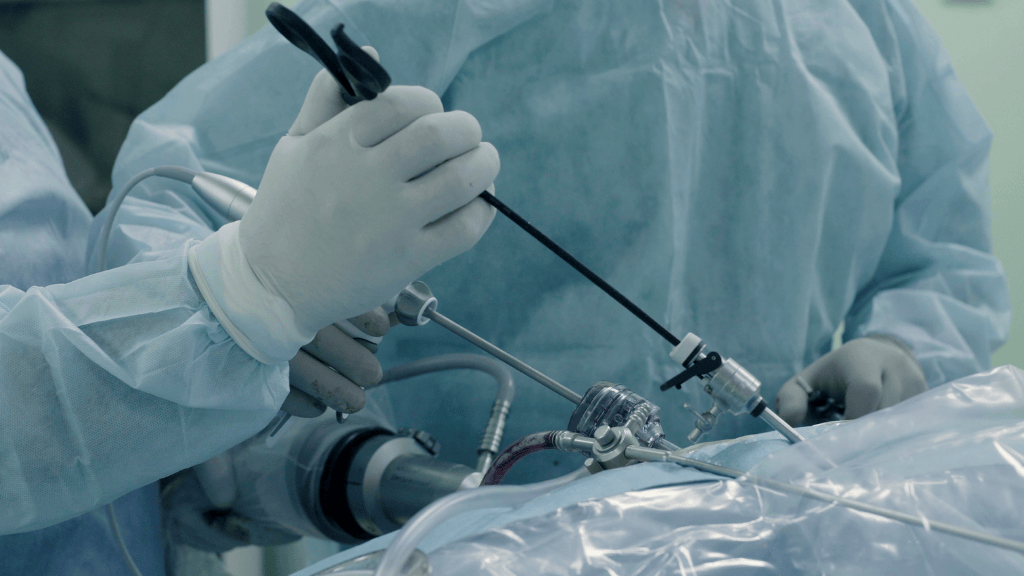
Laparoscopic repair is performed through small incisions using a camera and specialised instruments. This minimally invasive approach can be associated with reduced post-operative discomfort and a quicker return to certain daily activities for selected patients. Suitability depends on factors such as whether the hernia is unilateral or bilateral, whether it is recurrent, and the patient’s overall health status.
Laparoscopic vs Open Surgery: A Clear Comparison
Many patients want a straightforward comparison to help them prepare informed questions for their surgical consultation. Here is a practical overview of the main differences between laparoscopic and open inguinal hernia surgery.
| Feature | Laparoscopic Repair | Open Repair |
|---|---|---|
| Approach | Small incisions with camera-guided instruments | Single incision in the groin area |
| Typical post-operative discomfort | Often lower in selected patients | Can be more noticeable early on |
| Return to daily activities | May be faster for some patients | May require a slightly longer adjustment period |
| Best suited for | Bilateral hernias, recurrent hernias, selected active patients | Some first-time hernias, certain complex profiles, selected medical considerations |
| Anaesthesia | Often requires general anaesthesia | May be performed under general or regional anaesthesia depending on the case |
| Scarring | Smaller scars | Single scar in the groin |
Both techniques are widely used and effective. The best choice depends on your specific hernia type, symptoms, medical history, and the surgeon’s recommendation after evaluation.
What Happens Before Surgery?
Before proceeding with inguinal hernia surgery, the surgical team typically reviews your symptoms, performs a physical examination, and may request imaging if needed. For international patients, initial documentation is often reviewed remotely to streamline planning before travel.
Pre-operative planning may include:
- Assessment of the hernia type and location
- Review of current medications and medical history
- Discussion of anaesthesia options
- Clear guidance on preparation and logistics
What Recovery Looks Like After Inguinal Hernia Repair
Recovery is a major concern for patients travelling from abroad, especially those who need to plan time off work and flights home. While recovery varies between individuals, most patients experience a gradual improvement in comfort over the first days and weeks.
Common recovery guidance includes:
- Walking regularly soon after surgery as advised by your care team
- Avoiding heavy lifting during the early recovery period
- Following wound care instructions and monitoring for changes
- Returning to physical activity progressively based on medical advice
Your surgeon will provide personalised recommendations based on the technique used and your clinical profile. If you are travelling internationally, follow-up planning is especially important to ensure continuity of care after returning home.
Inguinal Hernia vs Umbilical Hernia: Not the Same Condition
Patients often search for hernia surgery information and discover there are multiple types. Inguinal hernias occur in the groin, while umbilical hernias occur around the belly button. Although both involve weakness in the abdominal wall, the location and surgical planning differ.
For international patients travelling to Spain for planned procedures, hernia surgery is often part of a broader elective surgical pathway. Many patients also consider orthopaedic procedures when seeking shorter waiting times and coordinated private care, including:
Ribera Care International provides access to both general surgery, including hernia repair, and orthopedics and traumatology services, offering a structured and patient-focused pathway for patients travelling from Ireland, the UK, and across Europe.
How Ribera Care International Supports International Patients
Ribera Care International helps patients organise their surgical journey in Spain with a clear and structured approach. This typically includes remote medical review, treatment planning, coordination of appointments, and guidance for post-operative follow-up.
Many patients also value access to a broader network of specialties when needed. Ribera’s ecosystem includes areas such as orthopedics and traumatology, which is especially relevant for patients combining surgical care with musculoskeletal evaluation.
Spain is already well known among international patients seeking planned procedures such as hip replacement, knee replacement, and shoulder surgery. Hernia surgery fits naturally within the same patient-focused, coordinated model of care.
Frequently Asked Questions About Inguinal Hernia
How do I know if I need surgery for an inguinal hernia?
Is laparoscopic inguinal hernia surgery better than open surgery?
How long is the recovery after inguinal hernia surgery?
Can I travel from Ireland or the UK for inguinal hernia surgery in Spain?
Can I receive inguinal hernia surgery in Spain through Ribera Care International?
If you are considering inguinal hernia surgery in Spain and would like personalised guidance on laparoscopic vs open surgery, the first step is a specialist review of your case. To learn more, contact the international patient team through our contact form.
This article is for informational purposes only and should not replace professional medical advice. Always consult a qualified specialist regarding your individual case.