

Cloudy vision creeps up slowly, until one day reading a menu, driving at night or recognising a face across the room becomes a struggle. When that happens, many people start comparing the private cataract surgery cost at home and abroad, only to find quotes that seem impossible to compare. The difference between two prices usually comes down to a handful of clear factors: the lens you choose, the technology used, the tests included and the aftercare. This guide explains each of them, so you can understand what you are paying for and plan treatment in Spain with Ribera Care International with confidence.
Quick answer
The cost of private cataract surgery in Spain depends mainly on the type of intraocular lens, whether one or both eyes are treated, whether laser-assisted technology is used, and which tests, medication and follow-up visits are included. A standard monofocal lens is the most affordable option, while toric, extended depth of focus and trifocal lenses cost more. The only reliable price is an itemised quote after your eyes have been assessed.
Request your personalised quote
Why there is no single price for cataract surgery
Cataract surgery replaces the cloudy natural lens inside your eye with a clear artificial one, called an intraocular lens. The operation itself is short, but the overall cataract surgery cost reflects much more than the time in theatre. It includes the measurements that decide which lens power you need, the lens itself, the surgical team, the medication you take afterwards and the checks that confirm the eye is healing well.
That is why people searching for cataract surgery cost in the UK or Ireland often see very different figures. Some clinics advertise a starting price per eye with a basic lens and minimal aftercare, while others quote a complete package. Comparing headline prices without checking what they include can be misleading. If you would like to understand the operation itself first, our guide to cataract surgery explained covers the procedure step by step.
What affects the price of cataract surgery?
Six factors explain most of the difference in private cataract surgery cost from one quote to another.
1. The type of lens
This is usually the largest single variable. A monofocal lens costs less than a toric lens for astigmatism or a premium lens designed to reduce your need for glasses.
2. One eye or both
Most clinics price cataract surgery per eye. Treating both eyes during the same trip roughly doubles the surgical cost but can reduce the travel and accommodation you pay for.
3. Surgical technology
Standard ultrasound surgery, known as phacoemulsification, is the most common technique. Femtosecond laser assistance and digital guidance systems add to the cost.
4. Pre-operative tests
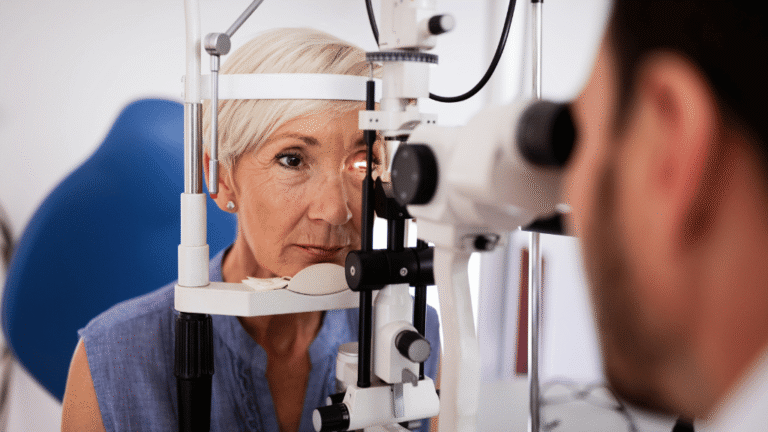
Precise measurements of the eye, called biometry, and scans of the retina are essential to choose the right lens. Check whether they are included or charged separately.
5. Your eye health
Conditions such as glaucoma, macular disease or a very dense cataract may need extra tests, a more complex operation or closer follow-up.
6. Aftercare
Eye drops, the check the day after surgery and later reviews may or may not be part of the price, and the number of visits varies between providers.
Lens choice: the biggest factor in private cataract surgery cost
The lens you choose shapes both the price and the way you see afterwards. Public health services usually provide a standard monofocal lens, and some also offer toric lenses for significant astigmatism. Premium lenses that aim to reduce dependence on glasses are mostly available privately, which is one of the main reasons people consider private cataract surgery.
| Lens type | What it does | Glasses afterwards | Relative cost |
|---|---|---|---|
| Monofocal | Clear vision at one distance, usually far | Usually needed for reading | Lowest |
| Toric | Corrects astigmatism as well as the cataract | Depends on whether it is monofocal or premium | Higher |
| Extended depth of focus (EDOF) | Good distance and intermediate vision, such as screens and the car dashboard | Often needed for fine print | Higher |
| Multifocal or trifocal | Focus at near, intermediate and far distances | Often reduced, though not for everyone | Highest |
A higher price does not automatically mean a better result for you. Multifocal and trifocal lenses can cause glare or halos around lights, especially at night, and they are not recommended for people with certain eye conditions such as macular disease or advanced glaucoma. A monofocal lens remains an excellent choice for many patients. Our comparison of monofocal, multifocal and trifocal lenses explains who each option suits.
You may also see the term lens replacement surgery cost when researching. This usually refers to refractive lens exchange, a similar operation performed to correct focusing problems before a cataract has developed. The same lens options apply, but the reasons for surgery and the assessment are different.
Is laser cataract surgery worth the cost?
In laser-assisted cataract surgery, a femtosecond laser performs some of the steps that are otherwise done by hand, such as the small incisions and the opening in the lens capsule. It is an attractive technology, but it adds to the laser cataract surgery cost and the evidence on outcomes is worth knowing.
A large randomised trial in the UK, known as FACT, compared laser-assisted surgery with standard phacoemulsification and found that visual results three months after surgery were similar between the two techniques. In other words, laser assistance has not been shown to give better vision for the average patient. Some surgeons still prefer it in particular situations, for example when combining cataract surgery with a premium lens or correcting astigmatism.
Ribera’s ophthalmology teams use femtosecond laser technology and digital planning systems that help position and verify the lens during surgery. Your surgeon can explain whether these add real value in your case, so you only pay for technology that makes a difference to you. You can learn more about the service on our cataract surgery at Ribera page.
What should a cataract surgery quote include?
The most useful way to compare the cost of private cataract surgery is item by item. Before accepting a quote, check which of these are covered.
Usually part of the package
- Consultation with the ophthalmologist
- Biometry and pre-operative eye scans
- Surgery and the chosen lens
- Local anaesthetic, usually eye drops
- A check the day after surgery
Worth confirming in writing
- Post-operative eye drops
- Further follow-up visits
- Surgery on the second eye
- A final glasses prescription
- Laser treatment if the lens capsule clouds later
The last point deserves a word of explanation. Months or years after surgery, the thin capsule that holds the new lens can become cloudy, a common condition called posterior capsule opacification. It is treated with a quick, painless laser procedure known as YAG capsulotomy. Because people often search for yag laser capsulotomy cost separately, it helps to know in advance whether your provider includes it, offers it at a set price or would arrange it with your local optician or hospital.
Travel, accommodation and a companion’s expenses are normally budgeted separately. Ribera Care International gives you an itemised estimate after reviewing your eye reports, so you can see exactly what is included before you book.
Patient story
Karim, a former hospital director from London who now lives in Spain, chose Ribera for cataract surgery on both eyes. In this short video he explains how the team put him at ease, how the operation took around 15 to 20 minutes and how his surgeon saw him again afterwards, before treating his second eye about a week later.
Want to know what your cataract surgery would cost?
Send us your latest eye examination or optician’s report. Our team will arrange a specialist review and send you a clear, itemised quote for treatment in Spain.
Public waiting lists, private care and the Cross-Border Directive
In both Ireland and the UK, cataract surgery is available through the public health system, but the wait for a date and the choice of lens are limited. Private treatment offers more flexibility over timing, surgeon and lens type, which is why searches for cataract surgery cost in Ireland and the rest of Europe keep growing.
Irish residents who are entitled to public healthcare may be able to recover part of the cost of treatment in Spain through the EU Cross-Border Healthcare Directive. Under this scheme, patients usually pay the provider first and then claim reimbursement from the HSE, up to the amount the same treatment would cost in the Irish public system. Travel and accommodation are not covered, and a referral is required. Rules can change, so always confirm eligibility with the HSE before booking. Our guide to the EU Cross-Border Directive for Irish patients explains the process. The scheme no longer applies to UK residents, but patients with private medical insurance can check our list of international insurance providers.
How cataract surgery in Spain is planned
Knowing the steps helps you budget not only for the operation but also for the length of your stay.
1
Case review before travelling
You share your eye examination results, medical history and medication. The team confirms the next steps and gives you an initial estimate.
2
Assessment and lens planning in Spain
The ophthalmologist examines your eyes, takes precise measurements and agrees the most suitable lens with you. The final quote is confirmed at this stage.
3
Surgery day
Cataract surgery is an outpatient procedure under local anaesthetic. The operation itself typically takes 15 to 30 minutes per eye, and you go home the same day.
4
Follow-up and travelling home
A check the day after surgery confirms the eye is healing. Flying is usually possible a few days later once the surgeon is satisfied, and a medical summary is provided for your optician or doctor at home.
If both eyes need treatment, your surgeon will advise whether to operate on them during the same visit or on separate occasions, which affects the length of your stay and the overall budget. Our article on what to expect after cataract surgery covers the recovery timeline, and our guide to what not to do after cataract surgery explains the precautions for the first weeks. For the documents to prepare, see our checklist of medical documents before surgery in Spain.
Ribera Care International coordinates care at Ribera hospitals across Spain, where the ophthalmology service carries out more than 1,000 cataract operations a year. International patients also travel for orthopaedic treatment such as hip replacement, knee replacement and shoulder surgery, and our guides to hip replacement cost in Spain and knee replacement cost in Spain follow the same transparent approach to pricing.
Plan your cataract surgery with a clear budget
Understanding what affects the private cataract surgery cost puts you in control of the decision. With the right lens, an honest discussion about technology and a quote that shows every item, you can compare options fairly and focus on what matters most: seeing clearly again. Send your eye reports to Ribera Care International and our team will help you plan the next steps.
Medical information notice: this article is for general information only and does not replace personalised medical advice. Lens suitability, surgical technique and recovery must be decided by a qualified ophthalmologist after an individual assessment. Reimbursement rules under the Cross-Border Directive are set by the HSE and may change.