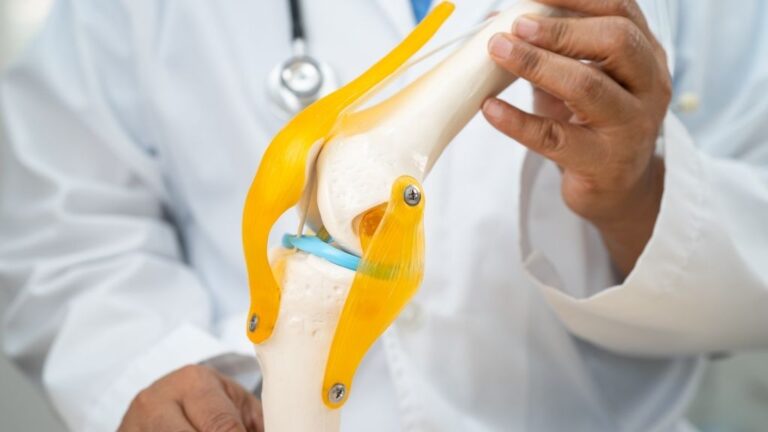


When osteoarthritis has worn out both knees, the pain rarely stays on one side. Many people who need a knee replacement soon realise the other knee is not far behind, and one question follows: is it better to have both knees replaced in one operation, or one knee at a time? For patients travelling to Spain for surgery, the answer also decides whether you plan one trip or two. This guide explains how double knee replacement works, its benefits and risks, who is a good candidate and how to plan your treatment.
Quick answer
Having both knees replaced in one operation (simultaneous bilateral knee replacement) means one anaesthetic, one hospital stay and one recovery period, and is usually less expensive overall. However, large studies show a higher risk of serious complications than replacing one knee at a time, so it is generally reserved for younger, healthy patients with severe arthritis in both knees. For many people, two separate operations around three months or more apart (staged knee replacement) is the safer choice. Your surgeon decides which option suits you after assessing your health and both knees.
Ask a specialist about your knees
What is a double knee replacement?
A double or bilateral knee replacement means replacing both knee joints. Around one in five people whose osteoarthritis is severe enough to need a knee replacement have the condition in both knees. There are two ways to do it:
- Simultaneous bilateral knee replacement: both knees are replaced during the same operation, under one anaesthetic.
- Staged bilateral knee replacement: one knee is replaced first and the second knee in a separate operation, usually several months later once the first knee has recovered.

In both cases the operation on each knee is the same: the worn joint surfaces are replaced with an implant designed to restore smooth, pain-free movement. If you are still deciding whether you need surgery at all, our guide to treatments for advanced knee osteoarthritis explains the options.
Both knees at once vs one at a time
| Both knees at once (simultaneous) | One knee at a time (staged) | |
|---|---|---|
| Operations and anaesthetics | One | Two |
| Hospital stays | One, often slightly longer | Two shorter stays |
| Recovery | One, but more demanding at first | Two, each easier because you have one good leg |
| Risk of complications | Higher, especially in older patients or those with heart or lung disease | Similar to a single knee replacement for each operation |
| Total time to recover both knees | Shorter overall | Longer, as the recoveries follow one after the other |
| Overall cost | Usually lower than two separate operations | Two separate treatment plans |
| Trips to Spain | One, with a longer stay | Two, a few months apart |
Benefits of having both knees replaced at the same time
For the right patient, a simultaneous double knee replacement has clear advantages:
- One anaesthetic and one hospital stay instead of two.
- One rehabilitation period. Both knees are rehabilitated together, which some patients find helps them walk more evenly.
- Less total time off work, family and normal activities.
- Lower overall cost than two separate operations, and fewer trips if you are travelling for surgery.
- No second wait. You do not have to go through the build-up to surgery twice.
Risks to consider
The main reason surgeons are selective about simultaneous surgery is safety. A longer operation on both legs places more strain on the heart, lungs and circulation. Large reviews of studies comparing the two approaches have found that replacing both knees at once is linked to a higher rate of serious complications, such as blood clots in the lungs, and a higher risk of death in the weeks after surgery, although these events remain uncommon. Blood transfusion is also more often needed. These same reviews found that simultaneous surgery can lower overall cost and the chance of needing further operations, which is why it remains a good option for carefully selected patients.
Staged surgery spreads the strain over two smaller operations. The risks of each operation are similar to those of a single knee replacement, and you always have one stronger leg to rely on while the other recovers.
When to seek help
After any knee replacement, seek medical attention promptly if you notice pain, swelling, warmth or redness in your calf or thigh, a fever or increasing redness around the wound. Call emergency services immediately if you develop sudden breathlessness or chest pain.
Who is a good candidate for double knee replacement?
There is no single rule, and the decision is always made with your surgeon and anaesthetist. As a general guide:
Both knees at once may suit you if
- Both knees are severely and similarly affected
- You are generally fit and healthy
- You have no significant heart or lung disease
- You are younger, as risks rise with age
- You are motivated for intensive rehabilitation
- You will have plenty of help at home
One knee at a time is usually safer if
- You are older
- You have heart, lung or kidney disease
- You have a history of blood clots
- You have significant overweight or other health conditions
- One knee is much worse than the other
- You live alone or have limited support
Before recommending either option, your medical team reviews your health in detail, usually including blood tests, an ECG and an anaesthetic assessment. If you are unsure which route is right for you, you can also request a second medical opinion.
If you have one knee at a time, how long between operations?
Most surgeons recommend waiting at least three months between the first and second knee replacement. This gives the first knee time to heal, regain strength and movement, and lets your body recover fully before another operation. In practice, many patients wait longer, and some find their second knee improves enough after the first operation to delay surgery further. Your surgeon will usually operate first on the knee that causes the most pain or limitation.
Recovery after double knee replacement
Recovery after replacing both knees at once follows the same steps as a single knee replacement, but the first weeks are more demanding because you cannot rely on a stronger leg.
1
In hospital
Physiotherapists help you stand and walk with a frame soon after surgery. Your hospital stay may be a little longer than after a single knee replacement.
2
First weeks
You will need more help with daily tasks, such as washing, dressing and stairs. Exercises for both knees and blood clot prevention are essential.
3
Around 6 to 12 weeks
Walking becomes steadier and many patients move from a frame to crutches or sticks and back to light activities.
4
3 to 6 months and beyond
Most patients take three to six months to recover fully, with strength and confidence improving for up to a year.
Read our guide to recovery after knee replacement for more detail on each stage.
Planning a double knee replacement in Spain
If you travel for surgery, the choice between one operation and two also shapes your journey:
- Both knees at once: one trip, but plan a longer stay in Spain and travel with a companion who can help you during the first weeks.
- One knee at a time: two shorter trips, usually at least three months apart. Each stay follows the same plan as a single knee replacement.
- Flying home: you travel once your surgeon confirms you are fit to fly. Our guide to flying after hip or knee replacement explains timing, blood clot prevention and airport assistance.
- Follow-up at home: you return with a medical summary in English and a rehabilitation plan, and your Ribera team continues to follow your progress remotely if needed.
Irish residents who are entitled to public healthcare may be able to claim back part of the cost of planned knee surgery in Spain through the EU Cross-Border Healthcare Directive. Reimbursement is calculated per procedure and is different for operations on both knees, so confirm your eligibility and the amount with the HSE before booking. Find out more about knee replacement through the HSE or read our guide for Irish patients.
For budgeting, see our guide to knee replacement cost in Spain. If you need surgery on both knees, your personalised quote will reflect whether you have one operation or two.
Do both of your knees need replacing?
Send us X-rays of both knees and your medical reports. A Ribera orthopaedic specialist will review your case, explain whether one operation or two is safer for you and send you a personalised treatment plan and quote.
Knee replacement at Ribera
Ribera Health Group performs knee replacement at hospitals including Hospital Ribera IMSKE in Valencia, a centre dedicated to bone, joint and muscle conditions, and Hospital Ribera Virgen de la Caridad in Cartagena. International patients are supported by a multilingual team from the first review of their reports to their recovery at home. You can read the profiles of our orthopaedic surgeons on the doctors page and learn more about knee replacement surgery in Spain. Our checklist of medical documents before surgery in Spain explains what to send for your review.
Take the next step
Living with two painful knees can make every step harder, but you do not have to decide alone between one operation and two. Send your X-rays and reports to Ribera Care International and a specialist will assess both knees, explain the safest option for you and help you plan your surgery, stay and recovery.
Medical information notice: this article is for general information only and does not replace personalised medical advice. Recovery times are approximate and vary from person to person. Whether you are suitable for knee replacement, and whether both knees should be replaced in one operation or two, must be decided by a qualified orthopaedic specialist and anaesthetist after an individual assessment.