
Coronary Artery Bypass Grafting in Spain – Advanced Heart Surgery by Ribera International
يُعد ترقيع مجازة الشريان التاجي (CABG) إجراءً جراحياً منقذاً لحياة المرضى الذين يعانون من مرض الشريان التاجي الحاد، حيث يستعيد تدفق الدم بشكل سليم إلى القلب ويقلل من خطر الإصابة بالنوبات القلبية. وهو حل فعال للغاية لتخفيف آلام الصدر (الذبحة الصدرية) وتحسين وظائف القلب وتعزيز صحة القلب والأوعية الدموية على المدى الطويل.
أخبرنا عن قضيتك
يرجى إعلامنا بما يمكننا مساعدتك به وسنتواصل معك قريباً بشأن قضيتك.
يُعد ترقيع مجازة الشريان التاجي (CABG) إجراءً جراحياً منقذاً لحياة المرضى الذين يعانون من مرض الشريان التاجي الحاد، حيث يستعيد تدفق الدم بشكل سليم إلى القلب ويقلل من خطر الإصابة بالنوبات القلبية. وهو حل فعال للغاية لتخفيف آلام الصدر (الذبحة الصدرية) وتحسين وظائف القلب وتعزيز صحة القلب والأوعية الدموية على المدى الطويل.
أخبرنا عن قضيتك
يرجى إعلامنا بما يمكننا مساعدتك به وسنتواصل معك قريباً بشأن قضيتك.
What is Coronary Artery Bypass Grafting?
Coronary artery bypass grafting (CABG) is a surgical procedure designed to improve blood flow to the heart muscle by diverting blood around blocked or narrowed coronary arteries. This is achieved by using a healthy blood vessel, typically harvested from the leg, arm, or chest, to create a new pathway for oxygen-rich blood to reach the heart. At Ribera, our experienced cardiac surgeons employ advanced techniques to ensure optimal outcomes for our patients.
Who can benefit from CABG?
CABG surgery is typically recommended for patients with significant coronary artery disease, especially when multiple coronary arteries are blocked or narrowed, and when other treatments, such as medication or percutaneous coronary interventions (like angioplasty), are not suitable or have been ineffective. Symptoms such as severe chest pain (angina), shortness of breath, and risk of heart attack may indicate the need for this procedure.
How is CABG performed?
During the CABG procedure, the surgeon makes an incision in the chest to access the heart. A healthy blood vessel is then harvested from another part of the body and grafted onto the blocked coronary artery, creating a new route for blood flow. This can be done using traditional open-heart surgery with the assistance of a heart-lung machine (on-pump) or, in certain cases, on a beating heart without the machine (off-pump). The choice of technique depends on the patient’s specific condition and the surgeon’s expertise.

Recovery Time and Success Rates


Advantages Over Other Hospitals
- A dedicated cardiac care unit equipped with the latest technology.
- A multidisciplinary team providing personalized care plans.
- Access to comprehensive cardiac rehabilitation services to support recovery.
By the Numbers: Trusted Expertise
We can include here impressive statistics about the hospital’s angioplasty program, such as:
- The number of angioplasty procedures performed annually.
- Percentage of patients with successful outcomes.
- Average recovery times compared to other facilities.
Before CABG surgery
Pre-Procedure Medical Preparation
- Patients will undergo a pre-surgery evaluation, including medical tests such as blood work, chest X-rays, ECG, and possibly a coronary angiogram.
- Your doctor may adjust your current medications before surgery.
Fasting
- Fasting is required at least 8 hours before surgery to reduce the risk of complications during anesthesia.
Medications
- Your doctor may adjust or stop certain medications, such as blood thinners, before surgery to reduce bleeding risks.
- In some cases, antibiotics or other medications may be prescribed to prepare the body for surgery.
Stop Smoking and Alcohol
- It is essential to stop smoking and avoid alcohol in the weeks leading up to the surgery to improve lung function and promote healing.
Exercise and Lifestyle Preparation
- Engaging in light physical activity before surgery, as recommended by your doctor, can help prepare your heart and body for the procedure.
What to Bring to the Hospital
- Wear comfortable, loose-fitting clothing for your hospital stay.
- Remove any jewelry, piercings, and accessories before admission.
Confirm Consent and Questions
- Review and sign consent forms. Use this time to clarify any doubts with your healthcare provider.
After CABG surgery
Hospital Recovery
- Stay in the hospital for a few days, depending on your recovery progress.
- Monitor for potential complications, such as swelling, excessive pain, or signs of infection.
Medications
- Continue prescribed pain relievers, blood thinners, and heart medications as directed.
- Avoid over-the-counter medications without consulting your doctor.
Wound Care
- Keep the surgical incision clean and dry.
- Follow your doctor’s instructions for dressing changes and wound care.
- Watch for signs of infection, such as redness, swelling, or unusual discharge.
Physical Activity
- Avoid heavy lifting, sudden movements, and strenuous activities for several weeks.
- Begin with gentle movements and light walking as recommended by your medical team.
Diet and Lifestyle
- Follow a heart-healthy diet rich in fruits, vegetables, whole grains, and lean proteins to support recovery.
- Avoid salty, sugary, and processed foods that can affect heart health.
- Quit smoking and limit alcohol to improve long-term heart function.
Recognizing Warning Signs
Seek immediate medical attention if you experience:
- Severe chest pain or shortness of breath.
- Fever or signs of infection at the incision site.
- Irregular heartbeat, excessive swelling, or unusual fatigue.
Rehabilitation and Recovery
- Cardiac rehabilitation is key to recovery. We’ll provide a personalized plan, including physical therapy, lifestyle counseling, and gradual exercise to help rebuild strength and improve heart function.
The Life-Changing Benefits of Coronary Artery Bypass Grafting (CABG) Surgery
Coronary Artery Bypass Grafting (CABG) is a life-saving, highly effective procedure that restores blood flow to the heart, reduces symptoms of coronary artery disease, and improves overall heart function. At Ribera Health Group, we combine state-of-the-art surgical techniques with expert cardiovascular care to ensure the best possible outcomes for our patients. Undergoing CABG surgery offers a wide range of benefits, including:
Immediate Restoration of Blood Flow
CABG bypasses blocked arteries, allowing oxygen-rich blood to reach the heart efficiently, reducing the risk of heart attacks and other cardiovascular complications.
Significant Reduction in Chest Pain (Angina)
By improving circulation, CABG relieves chest pain and discomfort, allowing patients to resume daily activities with greater ease.
Minimally Invasive Techniques Available
Our advanced surgical techniques, including minimally invasive and robotic-assisted procedures, reduce recovery times, minimize post-operative discomfort, and lower surgical risks.
Long-Term Heart Health Benefits
CABG provides lasting results, significantly improving heart function and reducing the need for future interventions. Many patients experience improved energy levels and quality of life for decades after surgery.
Enhanced Quality of Life
Restoring proper heart function allows patients to engage in daily activities, travel, and exercise without constant fatigue or discomfort, leading to a more active and fulfilling life.
Prevention of Future Cardiac Events
CABG reduces the risk of heart attacks, strokes, and worsening heart disease, making it a critical procedure for those with severe coronary artery disease.
Suitable for a Wide Range of Patients
CABG surgery is a proven and effective treatment for patients with multiple blocked arteries, chronic chest pain, or those who are not candidates for angioplasty, providing them with a new chance at a healthier life.
Choosing Ribera Health Group for your CABG surgery means choosing expert cardiac care, world-class facilities, and personalized treatment plans tailored to your needs. Take the first step toward a stronger, healthier heart with our specialized cardiovascular team.
How long does the CABG procedure take?
CABG surgery typically takes 3 to 6 hours, depending on the number of bypasses needed and the complexity of the case.
What is the recovery time after CABG surgery?
- Patients usually stay in the hospital for 5 to 7 days.
- Full recovery can take 6 to 12 weeks, with gradual return to normal activities under medical supervision.
Will I need cardiac rehabilitation after CABG surgery?
Yes. Cardiac rehabilitation is essential for recovery. It includes supervised exercise, lifestyle counseling, and education to help strengthen your heart and prevent future complications.
What are the risks of CABG surgery?
As with any major surgery, potential risks include infection, bleeding, irregular heart rhythms, or blood clots. However, at Ribera Health Group, we use advanced techniques to minimize risks and ensure patient safety.
How long do the benefits of CABG last?
CABG provides long-lasting results, improving heart function for 15 years or more, especially when combined with a heart-healthy lifestyle.
When can I return to work and daily activities?
- Light activities can resume within 4 to 6 weeks.
- Patients with physically demanding jobs may require up to 12 weeks for a full return.
Will I need to take medications after CABG surgery?
Yes. Patients will typically need blood thinners, cholesterol-lowering drugs, and medications to manage blood pressure to maintain heart health and prevent future blockages.
Does Ribera Health Group offer support for international patients?
Yes! Our International Patient Services team provides multilingual assistance, travel arrangements, and post-surgical follow-up care to ensure a smooth and stress-free experience for patients traveling from abroad.
About Angioplasty
What is Coronary Artery Bypass Grafting?
Coronary artery bypass grafting (CABG) is a surgical procedure designed to improve blood flow to the heart muscle by diverting blood around blocked or narrowed coronary arteries. This is achieved by using a healthy blood vessel, typically harvested from the leg, arm, or chest, to create a new pathway for oxygen-rich blood to reach the heart. At Ribera, our experienced cardiac surgeons employ advanced techniques to ensure optimal outcomes for our patients.
Who can benefit from CABG?
CABG surgery is typically recommended for patients with significant coronary artery disease, especially when multiple coronary arteries are blocked or narrowed, and when other treatments, such as medication or percutaneous coronary interventions (like angioplasty), are not suitable or have been ineffective. Symptoms such as severe chest pain (angina), shortness of breath, and risk of heart attack may indicate the need for this procedure.
How is CABG performed?
During the CABG procedure, the surgeon makes an incision in the chest to access the heart. A healthy blood vessel is then harvested from another part of the body and grafted onto the blocked coronary artery, creating a new route for blood flow. This can be done using traditional open-heart surgery with the assistance of a heart-lung machine (on-pump) or, in certain cases, on a beating heart without the machine (off-pump). The choice of technique depends on the patient’s specific condition and the surgeon’s expertise.
Relevant Data
Recovery Time and Success Rates
Advantages Over Other Hospitals
- A dedicated cardiac care unit equipped with the latest technology.
- A multidisciplinary team providing personalized care plans.
- Access to comprehensive cardiac rehabilitation services to support recovery.
By the Numbers: Trusted Expertise
We can include here impressive statistics about the hospital’s angioplasty program, such as:
- The number of angioplasty procedures performed annually.
- Percentage of patients with successful outcomes.
- Average recovery times compared to other facilities.
Before and After Care
Before CABG surgery
Pre-Procedure Medical Preparation
- Patients will undergo a pre-surgery evaluation, including medical tests such as blood work, chest X-rays, ECG, and possibly a coronary angiogram.
- Your doctor may adjust your current medications before surgery.
Fasting
- Fasting is required at least 8 hours before surgery to reduce the risk of complications during anesthesia.
Medications
- Your doctor may adjust or stop certain medications, such as blood thinners, before surgery to reduce bleeding risks.
- In some cases, antibiotics or other medications may be prescribed to prepare the body for surgery.
Stop Smoking and Alcohol
- It is essential to stop smoking and avoid alcohol in the weeks leading up to the surgery to improve lung function and promote healing.
Exercise and Lifestyle Preparation
- Engaging in light physical activity before surgery, as recommended by your doctor, can help prepare your heart and body for the procedure.
What to Bring to the Hospital
- Wear comfortable, loose-fitting clothing for your hospital stay.
- Remove any jewelry, piercings, and accessories before admission.
Confirm Consent and Questions
- Review and sign consent forms. Use this time to clarify any doubts with your healthcare provider.
After CABG surgery
Hospital Recovery
- Stay in the hospital for a few days, depending on your recovery progress.
- Monitor for potential complications, such as swelling, excessive pain, or signs of infection.
Medications
- Continue prescribed pain relievers, blood thinners, and heart medications as directed.
- Avoid over-the-counter medications without consulting your doctor.
Wound Care
- Keep the surgical incision clean and dry.
- Follow your doctor’s instructions for dressing changes and wound care.
- Watch for signs of infection, such as redness, swelling, or unusual discharge.
Physical Activity
- Avoid heavy lifting, sudden movements, and strenuous activities for several weeks.
- Begin with gentle movements and light walking as recommended by your medical team.
Diet and Lifestyle
- Follow a heart-healthy diet rich in fruits, vegetables, whole grains, and lean proteins to support recovery.
- Avoid salty, sugary, and processed foods that can affect heart health.
- Quit smoking and limit alcohol to improve long-term heart function.
Recognizing Warning Signs
Seek immediate medical attention if you experience:
- Severe chest pain or shortness of breath.
- Fever or signs of infection at the incision site.
- Irregular heartbeat, excessive swelling, or unusual fatigue.
Rehabilitation and Recovery
- Cardiac rehabilitation is key to recovery. We’ll provide a personalized plan, including physical therapy, lifestyle counseling, and gradual exercise to help rebuild strength and improve heart function.
Benefits
The Life-Changing Benefits of Coronary Artery Bypass Grafting (CABG) Surgery
Coronary Artery Bypass Grafting (CABG) is a life-saving, highly effective procedure that restores blood flow to the heart, reduces symptoms of coronary artery disease, and improves overall heart function. At Ribera Health Group, we combine state-of-the-art surgical techniques with expert cardiovascular care to ensure the best possible outcomes for our patients. Undergoing CABG surgery offers a wide range of benefits, including:
Immediate Restoration of Blood Flow
CABG bypasses blocked arteries, allowing oxygen-rich blood to reach the heart efficiently, reducing the risk of heart attacks and other cardiovascular complications.
Significant Reduction in Chest Pain (Angina)
By improving circulation, CABG relieves chest pain and discomfort, allowing patients to resume daily activities with greater ease.
Minimally Invasive Techniques Available
Our advanced surgical techniques, including minimally invasive and robotic-assisted procedures, reduce recovery times, minimize post-operative discomfort, and lower surgical risks.
Long-Term Heart Health Benefits
CABG provides lasting results, significantly improving heart function and reducing the need for future interventions. Many patients experience improved energy levels and quality of life for decades after surgery.
Enhanced Quality of Life
Restoring proper heart function allows patients to engage in daily activities, travel, and exercise without constant fatigue or discomfort, leading to a more active and fulfilling life.
Prevention of Future Cardiac Events
CABG reduces the risk of heart attacks, strokes, and worsening heart disease, making it a critical procedure for those with severe coronary artery disease.
Suitable for a Wide Range of Patients
CABG surgery is a proven and effective treatment for patients with multiple blocked arteries, chronic chest pain, or those who are not candidates for angioplasty, providing them with a new chance at a healthier life.
Choosing Ribera Health Group for your CABG surgery means choosing expert cardiac care, world-class facilities, and personalized treatment plans tailored to your needs. Take the first step toward a stronger, healthier heart with our specialized cardiovascular team.
الأسئلة الشائعة
How long does the CABG procedure take?
CABG surgery typically takes 3 to 6 hours, depending on the number of bypasses needed and the complexity of the case.
What is the recovery time after CABG surgery?
- Patients usually stay in the hospital for 5 to 7 days.
- Full recovery can take 6 to 12 weeks, with gradual return to normal activities under medical supervision.
Will I need cardiac rehabilitation after CABG surgery?
Yes. Cardiac rehabilitation is essential for recovery. It includes supervised exercise, lifestyle counseling, and education to help strengthen your heart and prevent future complications.
What are the risks of CABG surgery?
As with any major surgery, potential risks include infection, bleeding, irregular heart rhythms, or blood clots. However, at Ribera Health Group, we use advanced techniques to minimize risks and ensure patient safety.
How long do the benefits of CABG last?
CABG provides long-lasting results, improving heart function for 15 years or more, especially when combined with a heart-healthy lifestyle.
When can I return to work and daily activities?
- Light activities can resume within 4 to 6 weeks.
- Patients with physically demanding jobs may require up to 12 weeks for a full return.
Will I need to take medications after CABG surgery?
Yes. Patients will typically need blood thinners, cholesterol-lowering drugs, and medications to manage blood pressure to maintain heart health and prevent future blockages.
Does Ribera Health Group offer support for international patients?
Yes! Our International Patient Services team provides multilingual assistance, travel arrangements, and post-surgical follow-up care to ensure a smooth and stress-free experience for patients traveling from abroad.
الأطباء
يوفر قسم القلب في مجموعة ريبيرا الصحية للمرضى فريقاً متعدد التخصصات من المتخصصين، بما في ذلك أطباء القلب وجراحي القلب وأطباء الباطنة وأطباء التخدير وأطباء التخدير وأطباء العناية المركزة وأطباء الرعاية الأولية والمهنيين المتخصصين من وحدات الطوارئ والتمريض. يركّز هذا الفريق بشكل كامل على تشخيص أمراض القلب والأوعية الدموية ومعالجتها، مما يضمن رعاية شاملة ومتخصصة لكل مريض
تتولى تنسيق شبكة القلب والأوعية الدموية التابعة للمجموعة لجنة تنفيذية:



المرافق
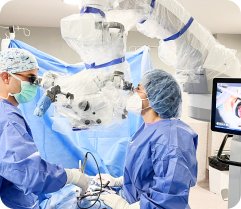
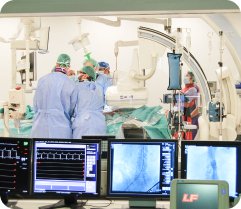
مستشفياتنا ومراكزنا مجهزة بأحدث التقنيات والتجهيزات الحديثة المصممة لتقديم أعلى معايير الرعاية الطبية. نحن نوفر غرفاً مريحة للمرضى وبيئات ترحيبية ووسائل راحة مصممة خصيصاً لضمان تجربة رعاية صحية سلسة وخالية من التوتر لك ولأحبائك.












Why choose Ribera for your Coronary Artery Bypass Grafting surgery?
At Ribera, we combine expertise, innovation, and patient-centered care to ensure the best possible outcomes for every CABG procedure. Here’s why Ribera is your trusted partner for heart care:

World-Class Expertise
Our team of highly skilled interventional cardiologists has extensive experience in performing CABG procedures. With a commitment to excellence, our specialists deliver precise, effective treatments tailored to your needs.

State-of-the-Art Technology
Ribera is equipped with the latest advancements in cardiovascular care, including cutting-edge imaging systems and minimally invasive techniques. This ensures accurate diagnosis, safe procedures, and faster recovery times for our patients.

Comprehensive Heart Care
CABG at Ribera is just one part of our integrated approach to cardiovascular health. From initial consultations to follow-up care and rehabilitation, we offer a seamless experience to support your recovery and long-term heart health.

Patient-Centered Approach
Your comfort and well-being are our top priorities. Our dedicated care teams take the time to understand your concerns, answer your questions, and guide you through every step of your journey with compassion and professionalism.

International Patient Support
For our international patients, we provide specialized services, including multilingual support, travel assistance, and personalized care coordination, to make accessing world-class heart care as smooth and stress-free as possible.

Proven Results
With a track record of success in treating heart conditions, Ribera is proud to offer CABG procedures that not only relieve symptoms but also significantly improve quality of life. Our focus on patient outcomes ensures you receive the care you deserve.
ما يقوله مرضانا عنا


Other treatments:
ثق في رعاية القلب ذات المستوى العالمي في ريبيرا
احصل على خطة علاج مخصصة وابدأ رحلتك نحو صحة قلب أفضل اليوم.