Choosing the best orthopedic surgeon in Spain is an important decision, especially if you are travelling from another country for surgery. For international patients the right specialist should offer more than surgical experience. You also need clear communication, a reliable hospital setting and a recovery plan adapted to your needs.
Orthopedic surgery can involve hip replacement, knee replacement, shoulder surgery, spine procedures, sports injuries or complex trauma. Each case is different, and the best decision should always be based on a personalised medical assessment. At Ribera Care International, international patients can access experienced orthopedic and traumatology teams in Spain, with support throughout the full medical journey.
Quick answer: How do you choose the best orthopedic surgeon in Spain?
To choose the best orthopedic surgeon in Spain, look for specific experience in your condition, strong hospital support, clear communication, access to diagnostics, rehabilitation planning and experience with international patients. The right surgeon should recommend treatment based on clinical need, not convenience.
Why choosing the right orthopedic surgeon matters
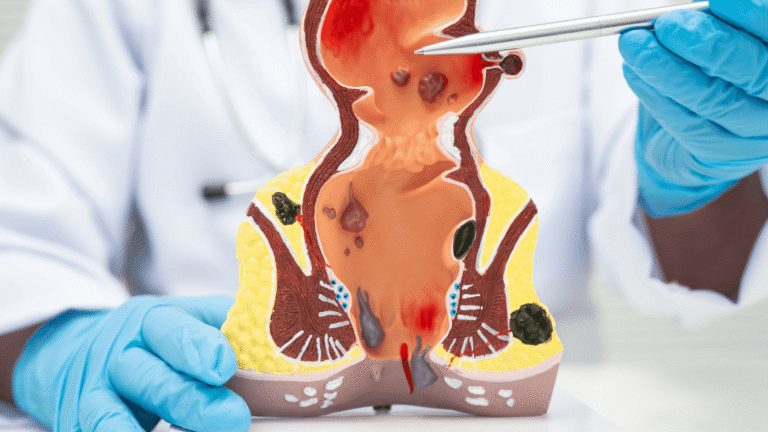
Orthopedic surgery treats conditions affecting bones, joints, muscles, tendons, ligaments and the spine. Some patients need surgery because of advanced arthritis. Others may be looking for help after a sports injury, chronic shoulder pain, spinal problems or a previous operation that has not worked as expected.
For international patients, choosing the right orthopedic surgeon in Spain is especially important. Travelling for surgery requires clarity before the journey begins. You need to understand your diagnosis, the recommended treatment, the expected recovery time and how follow-up will work once you return home.
The best choice is not always the most famous name. It is usually the specialist with the right experience for your specific problem, supported by a hospital team that can coordinate the full care pathway.
What does an orthopedic surgeon treat?
An orthopedic surgeon diagnoses and treats conditions affecting the musculoskeletal system. This includes the hip, knee, shoulder, spine, bones, tendons, ligaments and joints. Common reasons to consult an orthopedic surgeon include:
- Hip pain caused by osteoarthritis or joint damage
- Knee pain that limits walking or daily activity
- Shoulder injuries, including rotator cuff tears
- Sports injuries affecting cartilage, ligaments or tendons
- Spinal conditions causing pain or reduced mobility
- Fractures or trauma-related injuries
- Failed previous surgery or revision cases
Because orthopedic surgery is a broad specialty, subspecialty experience is essential. A surgeon who focuses on knee replacement may not be the right specialist for complex spine surgery. A shoulder specialist may be more appropriate for rotator cuff repair than a general trauma surgeon.
Key factors when choosing an orthopedic surgeon in Spain
1. Look for experience in your specific condition
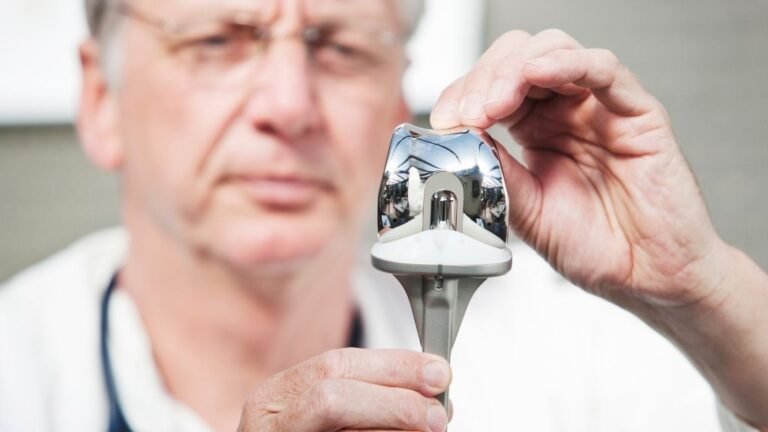
The most important question is not only whether the surgeon is experienced, but whether they regularly treat cases like yours. If you are considering Hüftersatz, look for experience in hip arthroplasty. If you need knee replacement, ask about prosthetic surgery, complex cases and revision procedures. If you are considering shoulder surgery, check whether the surgeon treats rotator cuff injuries, shoulder arthroscopy or shoulder replacement.
Specific experience matters because different procedures require different techniques, implants, rehabilitation plans and risk management.
2. Check training and professional background
A surgeon’s training can help you understand their area of expertise. Many orthopedic surgeons complete advanced training in national or international centres, participate in scientific activity or specialise in specific procedures.
International experience can also be useful for patients travelling from abroad, especially when the medical team is used to communicating with patients from other healthcare systems.
3. Consider the hospital environment
Orthopedic surgery is not only about the surgeon. The hospital also plays a key role. Before choosing where to have surgery, consider whether the hospital offers:
- Diagnostic imaging and preoperative testing
- Modern operating theatres
- Anaesthesia and pain management support
- Nursing teams experienced in postoperative care
- Rehabilitation and physiotherapy coordination
- Clear discharge documentation
- International patient support
This is especially relevant for procedures such as hip replacement, knee replacement and shoulder surgery, where recovery and rehabilitation are part of the treatment.
4. Ask how your diagnosis will be confirmed
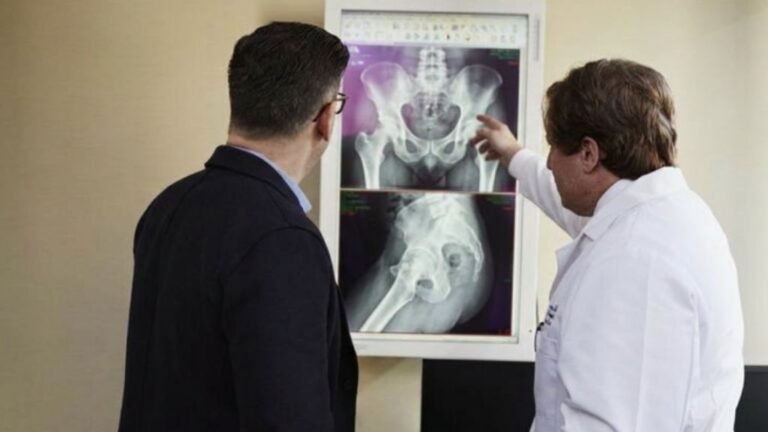
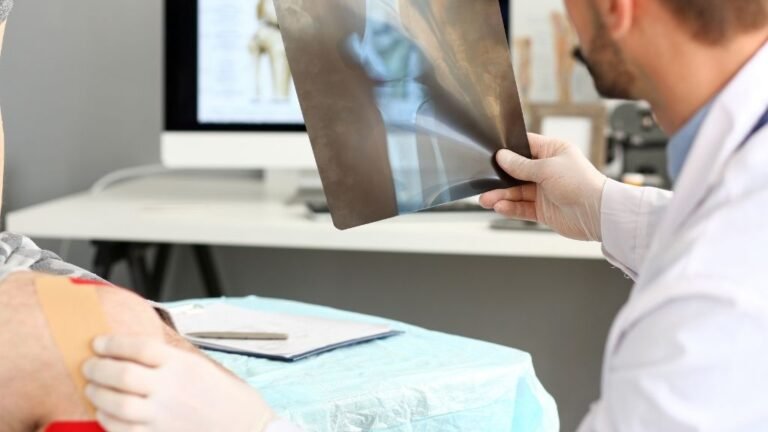
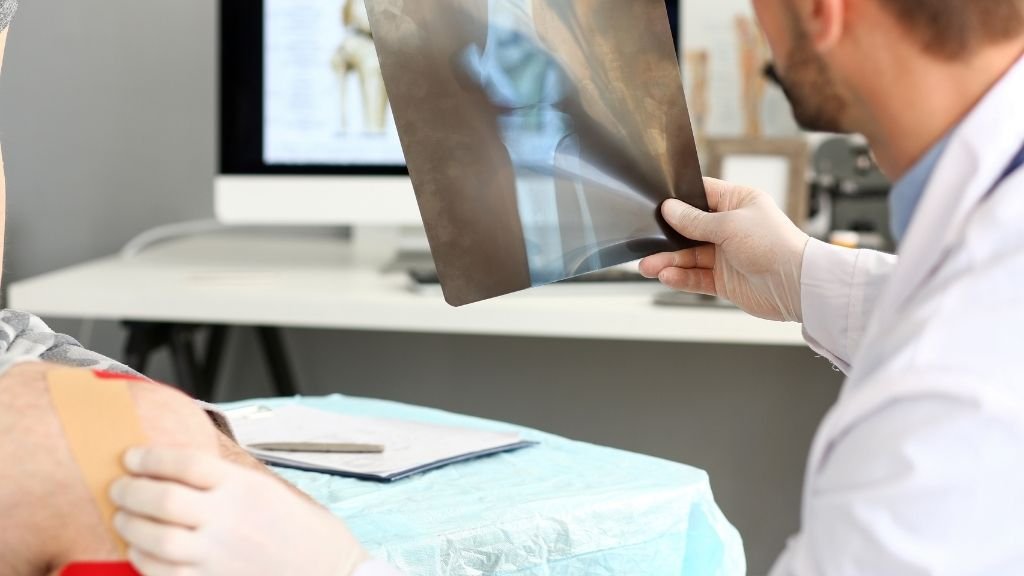
A responsible orthopedic team should review your case carefully before recommending surgery. This may involve medical reports, X-rays, MRI scans, CT scans or previous treatment history.
Useful questions include:
- What is causing my symptoms?
- Do I need more tests?
- Are there non-surgical options?
- Why is surgery recommended?
- What are the risks?
- What happens if I delay treatment?
- How long will recovery take?
Clear answers are important. You should not feel pressured into a decision without understanding your options.
5. Understand the recovery plan
Recovery should be discussed before surgery, not after it. This is particularly important if you are travelling to Spain from Ireland, the UK or another European country. Before deciding, ask:
- How long will I stay in hospital?
- Will I need physiotherapy?
- When can I walk or use the operated joint?
- How long should I stay in Spain before flying home?
- What follow-up will I need?
- What warning signs should I watch for after discharge?
A good orthopedic surgeon should explain both the procedure and the recovery pathway in language you can understand.
Orthopedic surgery in Spain for international patients
Many international patients consider private orthopedic surgery in Spain when they want faster access to specialist care, personalised attention and a clear treatment plan. However, the decision should not be based only on availability or cost. Medical suitability, surgeon experience, hospital safety and follow-up are more important.
Ribera Care International supports patients from abroad by helping coordinate the first steps. This may include reviewing medical information, identifying the right orthopedic team, arranging appointments and explaining the process before the patient travels to Spain.
Medical Directors of Traumatology Services at Ribera
Ribera’s orthopedic and traumatology services include experienced medical directors and specialists across different hospitals. For international patients, this network can help direct each case to the most appropriate professional according to the condition and procedure required.
Dr. Ignacio Muñoz Criado
Dr. Ignacio Muñoz Criado is an experienced orthopedic surgeon and Medical Director at one of Ribera’s hospitals. His career includes extensive work in sports medicine and musculoskeletal care. He has worked with elite athletes, served as doctor for the Spanish Tennis Federation at Grand Slam tournaments and contributed to the 1992 Barcelona Olympics.
His background is especially relevant for patients with sports-related injuries, trauma or complex musculoskeletal conditions. He has also participated in teaching, medical lectures and professional collaborations in Spain and abroad.
Dr. Paulino Sánchez Arteaga
Dr. Paulino Sánchez Arteaga specialises in reconstructive and robotic knee prosthetic surgery. His training includes experience at the Hospital for Special Surgery in New York, with a focus on hip and knee arthroplasty.
His areas of interest include complex joint replacement, sports traumatology, accelerated recovery protocols for hip and knee arthroplasty and infection prevention. For patients considering knee replacement or hip replacement, this type of subspecialty experience can be especially relevant.
Dr. Pedro Antonio Martínez Victorio
Dr. Pedro Antonio Martínez Victorio is an orthopedic surgeon with international experience and advanced training. He completed his specialisation in Orthopedic Surgery and Traumatology at Hospital Universitario Virgen de la Arrixaca in Murcia and pursued further training at centres including the Royal Liverpool University Hospital and Hospital for Special Surgery in New York.
His expertise includes minimally invasive techniques, sports injuries and prosthetic innovation. This profile may be relevant for patients who need advanced assessment for joint, trauma or sports-related conditions.
Dr. Ignacio Valenciano Bilbao
Dr. Ignacio Valenciano Bilbao has more than two decades of experience in public and private healthcare. He completed his medical degree at Universidad de Santiago de Compostela and his specialisation via MIR at Arquitecto Marcide Hospital in Ferrol.
He has pursued further training in spinal surgery at La Fe Hospital in Valencia and pediatric orthopedics at Niño Jesús Hospital in Madrid. His areas of experience include primary and revision prosthetic surgery, advanced arthroscopic techniques and leadership in traumatology services.
Dr. David Fernández Fernández
Dr. David Fernández Fernández is an orthopedic and trauma surgeon with experience in musculoskeletal conditions and spine surgery. His practice includes complex trauma, spinal disorders and advanced surgical techniques, including minimally invasive procedures where appropriate.
He obtained his medical degree from the University of Valladolid and completed his specialisation in Orthopedic Surgery and Traumatology, with dedicated experience in cervical, thoracic and lumbar spine surgery.
Hip replacement, knee replacement and shoulder surgery in Spain
International patients often contact Ribera Care International for procedures that affect mobility and quality of life.
Hip replacement may be considered when hip arthritis or joint damage causes pain, stiffness and difficulty walking. Kniegelenkersatz may be recommended for advanced knee osteoarthritis or severe joint deterioration. Shoulder surgery may be appropriate for selected patients with rotator cuff tears, chronic pain, instability or joint damage.
In all cases, surgery should follow specialist assessment. The decision depends on symptoms, imaging results, previous treatments, general health and expected recovery. For international patients, the plan should also include practical questions such as how long to stay in Spain, whether physiotherapy is needed and when it may be safe to travel home.
| Procedure | When it may be considered | What international patients should ask |
|---|---|---|
| Hüftgelenkersatz | When hip arthritis or joint damage causes pain, stiffness and difficulty walking. | How long should I stay in Spain before flying home? |
| Kniegelenkersatz | When advanced knee osteoarthritis or severe joint deterioration affects mobility. | What rehabilitation will I need after surgery? |
| Schulterchirurgie | When rotator cuff injuries, instability or joint damage cause pain or loss of function. | Will I need immobilisation or physiotherapy after surgery? |
| Spine surgery | When spinal problems cause persistent pain, nerve symptoms or reduced mobility. | What tests are needed before deciding on surgery? |
| Sports injury surgery | When ligament, tendon or cartilage injuries do not improve with conservative treatment. | When can I return to normal activities or sport? |
FAQ: Choosing an orthopedic surgeon in Spain
How do I choose the best orthopedic surgeon in Spain?
Can I travel to Spain for hip replacement or knee replacement surgery?
Is shoulder surgery available for international patients at Ribera Care International?
What documents should I send before an orthopedic consultation in Spain?
How long should I stay in Spain after orthopedic surgery?
Choosing the right orthopedic surgeon in Spain
Choosing an orthopedic surgeon in Spain is not only about finding a recognised name. It is about finding the right specialist for your condition, supported by a hospital team that can guide diagnosis, surgery, rehabilitation and follow-up.
For international patients, Ribera Care International offers a coordinated pathway from the first enquiry. Whether you are considering hip replacement, knee replacement, shoulder surgery or another orthopedic procedure, the first step is to request a personalised assessment.
Kontaktieren Sie Ribera Care International
Dieser Artikel dient nur zu Informationszwecken und soll eine professionelle medizinische Beratung nicht ersetzen. Wenden Sie sich für Ihren individuellen Fall immer an einen qualifizierten Spezialisten.