Vivre avec une arthrose sévère de la hanche est plus qu'un problème médical ; c'est une limitation quotidienne qui affecte la mobilité, le sommeil, l'indépendance et la qualité de vie en général. De nombreux patients atteignent un stade où la douleur n'est plus occasionnelle mais constante, et où des activités simples comme marcher, s'habiller ou se reposer la nuit deviennent de plus en plus difficiles.
Lorsque l'arthrose de la hanche atteint un stade avancé, il est essentiel de comprendre quels sont les traitements réellement efficaces et ceux qui ne font que retarder l'inévitable. Dans cet article, nous expliquons les principaux traitements de l'arthrose sévère de la hanche, les cas où une intervention chirurgicale est nécessaire et les raisons pour lesquelles de nombreux patients internationaux choisissent l'Espagne et Ribera Care International pour des soins définitifs de la hanche.
Qu'est-ce que l'arthrose sévère de la hanche ?
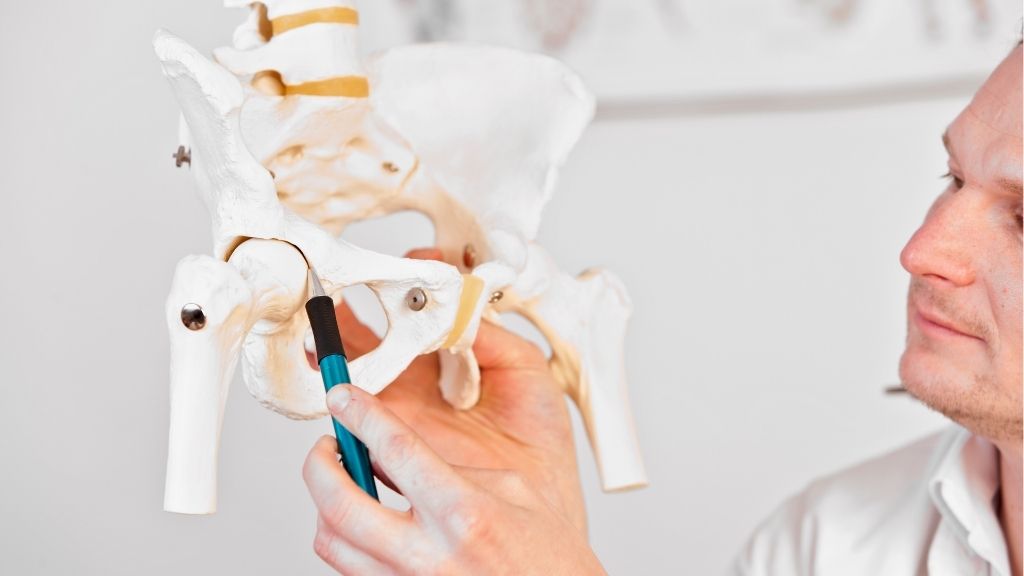
L'arthrose de la hanche est une affection dégénérative dans laquelle le cartilage protecteur de l'articulation de la hanche s'use progressivement. Dans les premiers stades, les symptômes peuvent apparaître de manière intermittente. Toutefois, lorsque l'arthrose s'aggrave, la perte de cartilage est importante, l'espace articulaire se rétrécit considérablement et les frottements osseux entraînent une inflammation chronique et des douleurs.
Les patients souffrant d'arthrose avancée de la hanche décrivent souvent une douleur profonde et persistante localisée dans l'aine, la hanche ou la cuisse. Cette douleur peut d'abord s'aggraver lors des mouvements, mais finit par apparaître même au repos, perturbant le sommeil et limitant l'autonomie. La raideur, la réduction de l'amplitude des mouvements et la difficulté à marcher sont fréquentes, et la qualité de vie est souvent gravement affectée.
À ce stade, l'affection n'est plus réversible et les décisions thérapeutiques doivent se concentrer sur la restauration de la fonction et le soulagement durable de la douleur.
Pourquoi l'arthrose de la hanche devient-elle grave ?
L'arthrose sévère de la hanche se développe progressivement au fil du temps, au fur et à mesure que les lésions articulaires s'accumulent. Des facteurs tels que la dégénérescence du cartilage liée à l'âge, des blessures antérieures à la hanche, des anomalies congénitales de la hanche, une charge mécanique accrue sur l'articulation et une prédisposition génétique contribuent tous à sa progression.
Si l'arthrose précoce peut répondre à des mesures conservatrices, l'arthrose avancée reflète des lésions articulaires structurelles qui ne peuvent être corrigées sans intervention chirurgicale.
Comment l'arthrose sévère de la hanche est-elle diagnostiquée ?
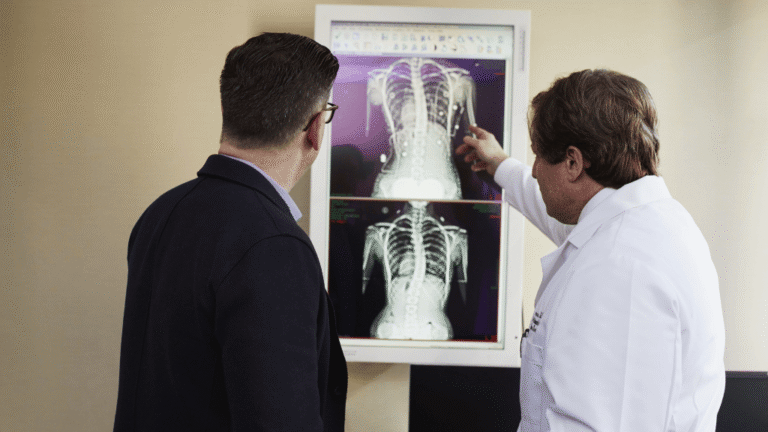
Le diagnostic associe une évaluation clinique détaillée à des examens d'imagerie. Les spécialistes en orthopédie évaluent l'intensité de la douleur, les limitations de la mobilité et l'impact sur la vie quotidienne, tandis que les radiographies ou les IRM confirment la perte de cartilage, la déformation de l'articulation et les changements osseux.
Les médecins recommandent généralement une opération de la hanche lorsque la douleur persiste malgré le traitement et interfère de manière significative avec les activités quotidiennes ou le sommeil.
Traitements non chirurgicaux : Ce qu'ils peuvent et ne peuvent pas faire
Dans les cas d'arthrose sévère de la hanche, les traitements non chirurgicaux visent généralement à contrôler les symptômes plutôt qu'à résoudre les problèmes à long terme. Les analgésiques et les anti-inflammatoires peuvent réduire temporairement la gêne, mais ils n'arrêtent pas la progression de la maladie.
La physiothérapie peut aider à maintenir la force musculaire et la mobilité des articulations, mais ses avantages sont souvent limités lorsque les dommages structurels sont avancés. Les thérapies par injection, telles que les corticostéroïdes, l'acide hyaluronique ou le plasma riche en plaquettes, peuvent offrir un soulagement à court terme à certains patients, mais leur effet tend à diminuer à mesure que la perte de cartilage augmente.
Pour de nombreux patients, ces approches apportent une amélioration temporaire mais ne permettent pas de restaurer la fonction articulaire ou d'éliminer la douleur à long terme.
Principaux traitements chirurgicaux de l'arthrose sévère de la hanche
Lorsque les options conservatrices échouent, la chirurgie devient le traitement le plus efficace et le plus fiable de l'arthrose sévère de la hanche.
Remplacement total de la hanche (arthroplastie de la hanche)
L'arthroplastie totale de la hanche constitue le traitement le plus définitif de l'arthrose avancée de la hanche. Au cours de l'intervention, les chirurgiens retirent les surfaces articulaires endommagées et posent un implant prothétique qui rétablit le mouvement naturel et soulage la douleur.
Les patients bénéficient généralement d'un soulagement significatif et durable de la douleur, d'une amélioration de la mobilité et d'une nette amélioration des fonctions quotidiennes. Pour beaucoup, l'arthroplastie de la hanche représente un retour à l'indépendance et à un mode de vie actif qui n'était plus possible avant l'opération.
Arthroplastie de la hanche mini-invasive
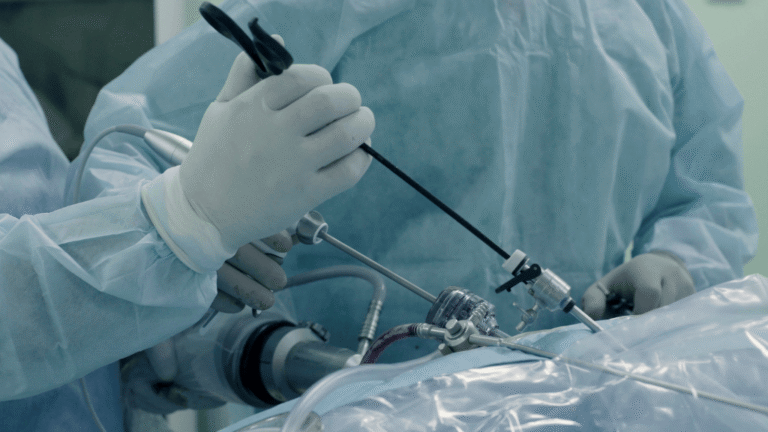
Les techniques mini-invasives de remplacement de la hanche visent à réduire les lésions musculaires en utilisant des incisions plus petites et des approches épargnant les tissus. Lorsqu'elles sont appropriées, ces techniques peuvent réduire la douleur postopératoire, accélérer le rétablissement et permettre une mobilisation plus rapide.
Tous les patients ne sont pas candidats, mais dans certains cas, la chirurgie mini-invasive peut améliorer l'expérience globale de guérison.
Arthroplastie de la hanche assistée par robot
L'arthroplastie de la hanche assistée par robot permet aux chirurgiens de planifier et d'exécuter l'opération avec un haut degré de précision. En adaptant le positionnement de l'implant à l'anatomie du patient, cette approche peut améliorer l'alignement de l'articulation et la cohérence des résultats.
La précision est particulièrement précieuse dans les cas d'arthrose sévère, où le placement précis de l'implant joue un rôle clé dans les résultats à long terme.
Resurfaçage de la hanche chez des patients sélectionnés
Le resurfaçage de la hanche préserve une plus grande partie de l'os naturel du patient et peut convenir à des personnes jeunes et très actives présentant des critères anatomiques spécifiques. Cependant, il ne convient pas à la plupart des patients souffrant d'arthrose sévère de la hanche et est réservé à des cas soigneusement sélectionnés.
Choisir la bonne arthroplastie de la hanche en Espagne
Il n'existe pas de méthode de remplacement de la hanche qui convienne à tous les patients. Le plan chirurgical le plus approprié dépend de facteurs tels que l'étendue des lésions articulaires, l'intensité de la douleur, l'âge, le niveau d'activité, l'état de santé général et les attentes individuelles concernant le rétablissement et le mode de vie après l'opération.
En Espagne, et en particulier à Ribera Care International, la chirurgie de remplacement de la hanche est planifiée par le biais d'une évaluation personnalisée et multidisciplinaire. Cela permet de s'assurer que chaque patient bénéficie de la technique chirurgicale, du type d'implant et du parcours de rééducation les mieux adaptés, en fonction de son état clinique et de ses objectifs de qualité de vie à long terme.
Récupération après une arthroplastie de la hanche en Espagne
La récupération est l'une des principales préoccupations des patients qui envisagent une arthroplastie de la hanche à l'étranger. En Espagne, les protocoles chirurgicaux modernes mettent l'accent sur une mobilisation précoce, une rééducation coordonnée et un suivi médical étroit afin de favoriser un rétablissement sûr et progressif.
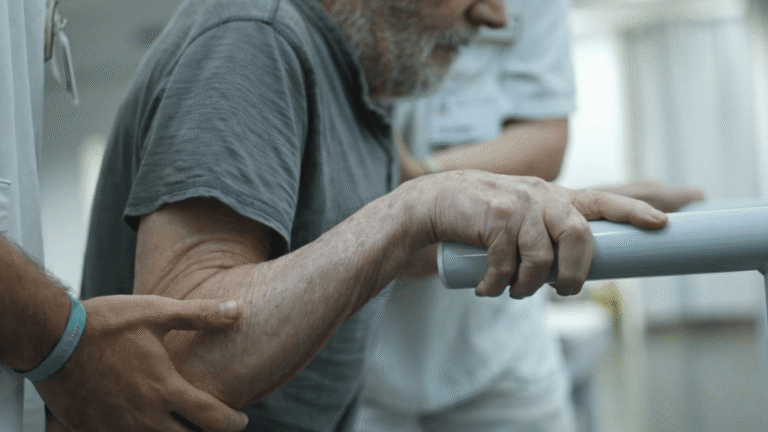
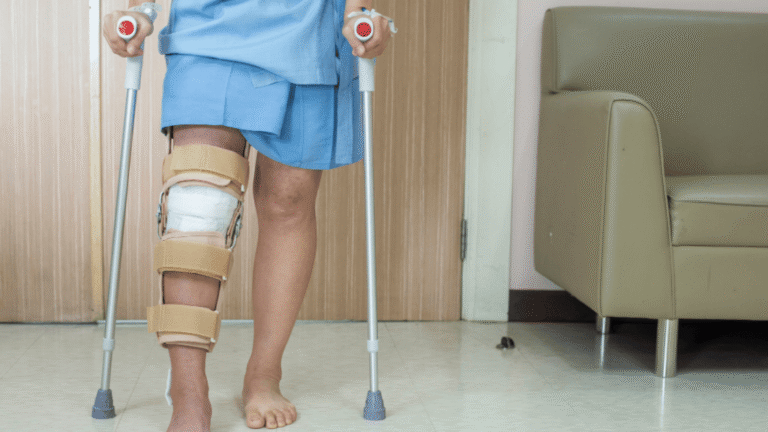
Les équipes médicales encouragent la plupart des patients à commencer à marcher peu de temps après l'opération, sous la supervision d'un professionnel, avec une amélioration constante au cours des semaines suivantes. La rééducation structurée joue un rôle clé dans la reconstruction de la force, l'amélioration de l'équilibre et la restauration de la confiance dans le mouvement.
La vie après une arthroplastie de la hanche : Ce à quoi les patients peuvent s'attendre
À l'issue du processus de guérison, de nombreux patients constatent une amélioration significative de leur qualité de vie. La douleur persistante qui limitait autrefois les mouvements est considérablement réduite ou disparaît, la qualité du sommeil s'améliore et les tâches quotidiennes deviennent plus faciles et plus confortables. Les implants de hanche modernes utilisés en Espagne sont conçus pour être durables et performants à long terme. Ils assurent la stabilité et une fonction articulaire fiable aux patients qui subissent une arthroplastie de la hanche en raison d'une arthrose sévère.
Pourquoi de nombreux patients internationaux choisissent l'Espagne pour le traitement de l'arthrose de la hanche
L'Espagne est devenue une destination privilégiée pour la chirurgie orthopédique en raison de sa combinaison de spécialistes expérimentés, de technologies de pointe, de services de rééducation intégrés et de normes de sécurité élevées. Par rapport à d'autres pays européens, l'Espagne offre également des délais d'attente plus courts et des coûts de traitement compétitifs.
Pour les patients internationaux, recevoir des soins en Espagne signifie avoir accès à des parcours de traitement complets sans délais inutiles.
Soins aux patients internationaux à Ribera Care International
Ribera Care International soutient les patients internationaux tout au long de leur parcours de traitement en Espagne, depuis l'évaluation médicale initiale et la planification du traitement jusqu'à la chirurgie, la rééducation et les soins de suivi.
Les patients ont accès à des équipes médicales expérimentées et anglophones et bénéficient de services internationaux dédiés aux patients qui les aident à gérer la communication, la logistique et la coordination des soins.
Si le traitement implique des procédures complexes au sein de orthopédie et traumatologie ou des interventions chirurgicales hautement spécialisées telles que prothèse de hanche ou remplacement du genou, Pour chaque cas, notre équipe suit un parcours structuré et centré sur le patient.
Ce modèle intégré permet aux patients de se concentrer sur leur rétablissement, tandis qu'une équipe médicale internationale spécialisée gère soigneusement tous les aspects de leur traitement en Espagne.
Questions fréquemment posées sur les options de traitement de l'arthroplastie de la hanche
L'arthroplastie de la hanche est-elle toujours nécessaire en cas d'arthrose sévère ?
À un stade avancé, le remplacement de la hanche est souvent la solution à long terme la plus efficace lorsque les traitements conservateurs ne permettent plus de contrôler la douleur.
Combien de temps dure la convalescence après une prothèse de hanche ?
La plupart des patients retrouvent une mobilité fonctionnelle en quelques semaines, avec une amélioration continue sur plusieurs mois.
Peut-on voyager en toute sécurité après une arthroplastie de la hanche ?
Le calendrier des voyages dépend du rétablissement de chacun et est guidé par l'équipe médicale.
L'arthroplastie de la hanche est-elle sûre en Espagne ?
L'Espagne applique des normes médicales strictes, avec des équipes orthopédiques expérimentées et des installations modernes.
Les patients internationaux peuvent-ils recevoir un traitement par l'intermédiaire de Ribera Care International ?
Oui. Ribera Care International offre des soins complets aux patients internationaux souffrant d'arthrose sévère de la hanche.
Passez à l'étape suivante
Si l'arthrose sévère de la hanche limite votre qualité de vie, la compréhension des options qui s'offrent à vous est la première étape vers un soulagement durable. Contactez-nous pour demander une évaluation médicale via le formulaire Formulaire de contact de Ribera Care International.