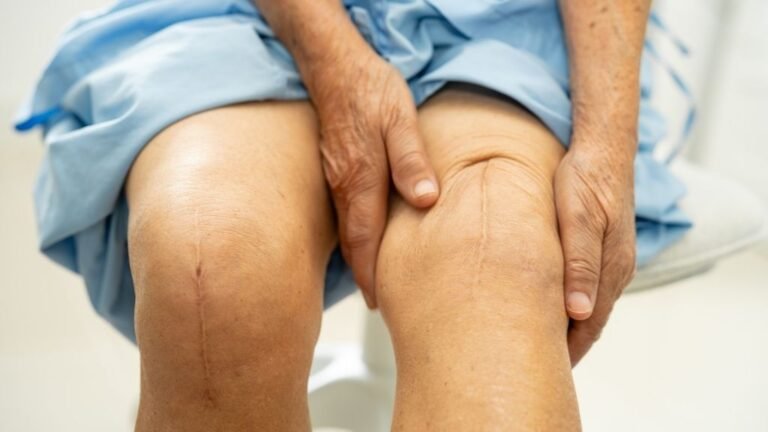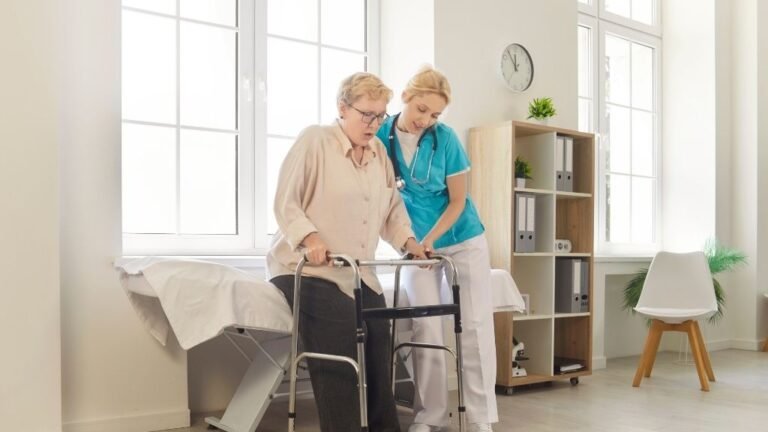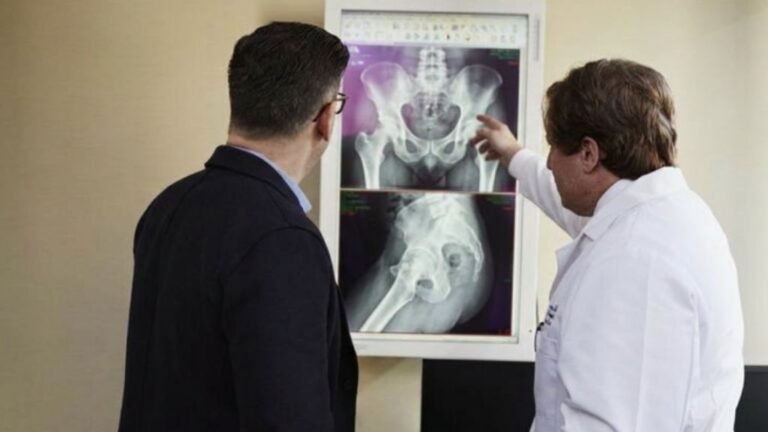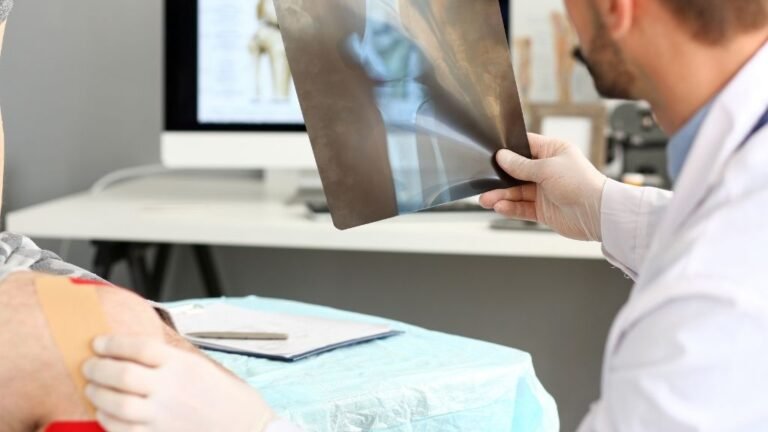

Har du noen gang hatt smerter i korsryggen som fortsetter å vedvare selv etter at du har prøvd alt? Du er ikke alene, og du er ikke uten alternativer.Veien til behandling av korsryggsmerter omfatter en presis diagnose, etterfulgt av avansert kirurgi og tilpasset rehabilitering, som avgjør om du vil oppleve vedvarende ubehag eller varig lindring.La oss gå gjennom dette omfattende forløpet sammen.
Hos Ribera Care International mener vi at det å få bukt med vedvarende korsryggsmerter krever mer enn bare behandling - det krever en omfattende, personlig tilpasset reise fra diagnose til bedring.
Nøyaktig diagnose: Grunnlaget for effektiv behandling
En nøyaktig diagnose av ryggsmerter er det avgjørende første skrittet. Hos Ribera Care International begynner evalueringen med:
- En detaljert sykehistorie og fysisk undersøkelse
- Bildediagnostikk - for eksempel røntgen, MR- eller CT-skanning - for å kartlegge strukturelle problemer
- Konsultasjon med en ryggspesialist for å tolke funn og diskutere alternativer
Hovedmålet er å finne den nøyaktige kilden til smertene, som kan være enten skiveprolaps, spinal stenose, degenerative forandringer eller muskulære belastninger.Etter å ha stilt en presis diagnose vil behandlingsteamet utvikle en effektiv behandlingsplan.
Dette presisjonsnivået er akkurat det pasientene kan forvente når de blir vurdert av de tverrfaglige ryggbehandlingsteamene ved Ribera Care International.
Ikke-kirurgiske tilnærminger: Første forsvarslinje
De fleste pasienter har nytte av ikke-kirurgiske inngrep. En personlig behandlingsplan for ryggsmerter inkluderer ofte:
- Fysioterapi, med fokus på å styrke kjernemuskulaturen og forbedre fleksibiliteten
- Teknikker for smertebehandling, som opplæring i kroppsholdning, ergonomiske tips og livsstilsjusteringer
- Kortvarig smertestillende medisinering eller epiduralinjeksjoner etter behov
- Pasientopplæring for å fremme egenmestring og forebygge fremtidige skader
Disse konservative metodene gir ofte betydelig lindring uten behov for kirurgi - spesielt ved kroniske korsryggsmerter.
Når kirurgi blir nødvendig
Teamet ved Ribera Care International tilbyr toppmoderne korsryggkirurgi ved hjelp av minimalt invasive teknikker som hjelper pasientene med å komme seg raskere og minimerer risikoen når kirurgi er det mest hensiktsmessige valget. Kirurgi vurderes når:
- Smertene er sterke og vedvarende til tross for konservativ behandling
- Det er nervekompresjon, nevrologisk svekkelse eller ustabilitet i ryggraden
- Livskvaliteten blir betydelig påvirket
Ryggspesialisten din kan foreslå alternativer som minimalt invasiv ryggkirurgi, lumbal fusjon eller dekompresjonskirurgi.
Minimalt invasive teknikker
Med minimalt invasiv ryggkirurgi, bruker kirurgene små snitt styrt av avansert bildebehandling, noe som reduserer vevsskader, infeksjonsrisiko og restitusjonstid. Teknikker inkluderer:
- Mikrodiskektomi eller laminotomi for skiveprolaps eller spinal stenose
- Perkutane eller mini-åpne metoder for spinalfusjon
Fusjon og dekompresjon i korsryggen
Disse inngrepene - som er en bærebjelke innen korsryggkirurgi - er ideelle når ryggraden trenger stabilisering. Fusjonskirurgi i korsryggen sammenføyning av tilstøtende ryggvirvler ved hjelp av beintransplantater og maskinvare, slik at smertefulle bevegelser elimineres. Dekompresjon (f.eks. laminektomi) avlaster nervetrykket ved å fjerne ben- eller skivemateriale.
Valg av riktig kirurgisk metode avhenger av diagnose, livsstilsbehov og mål for rekonvalesens.
Persontilpasset oppfølging: Nøkkelen til vellykkede resultater
Reisen tar ikke slutt etter operasjonen. Oppfølging av ryggsmerter innebærer kontinuerlig støtte for å sikre langsiktig suksess:
- Planlagte besøk hos ryggspesialisten for å følge med på bedringen
- Fysioterapi og rehabilitering tilpasset din operasjon og ditt treningsnivå
- Livsstil og ergonomisk veiledning for å fremme ryggens helse
- Smerteovervåking for å oppdage komplikasjoner tidlig
Denne strukturerte, omfattende ryggbehandlingsmodellen bygger opp motstandskraft og bidrar til å forebygge tilbakefall, i stedet for å gi en rask løsning.
Oppfølging hos Ribera Care International er ikke bare en formalitet - det er en del av en komplett, pasientsentrert modell som inkluderer personlige koordinatorer, medisinske tolker og flerspråklig støtte for å hjelpe hver enkelt internasjonal pasient med å utvikle seg trygt og sikkert.
Fordelene med en tverrfaglig, personlig tilnærming
Hvorfor velge dette integrerte forløpet?
- Nøyaktig diagnose sikrer riktig behandling fra starten av
- Konservative metoder reduserer risikoen ved kirurgiske inngrep
- Avanserte kirurgiske alternativer, inkludert minimalt invasiv ryggkirurgi, gir tryggere og raskere restitusjon
- Individualisert oppfølging gir bedre helse på lang sikt
- Samarbeid mellom spesialister sikrer helhetlig støtte for fysisk og emosjonell velvære
Realistisk tidslinje for restitusjon
Forventningene varierer avhengig av hvilken behandling du velger:
- Postoperativ rekonvalesens med minimalt invasive metoder: gangfunksjon i løpet av en dag eller to, tilbake til normale aktiviteter i løpet av 4-6 uker
- Det kan ta 2-3 måneder før man kan gjenoppta mer belastende arbeidsoppgaver.
- Pågående fysioterapi strekker seg vanligvis over flere måneder for å sikre styrke og stabilitet
Å velge riktig ryggspesialist
Ved å velge en sertifisert ryggspesialist i et tverrfaglig team er du sikret at du får det du trenger:
- Presis diagnose
- Skreddersydd, minimalt invasiv eller kirurgisk behandling
- Omfattende omsorg gjennom hele rekonvalesensen
Dette reduserer risikoen for komplikasjoner og forbedrer ryggens helse på lang sikt.
Styrke deg gjennom utdanning
Hos Ribera Care International gir vi pasientene kunnskap i alle ledd:
- Forstå din tilstand og behandling
- Lære egenomsorgsstrategier for å forebygge tilbakefall
- Føler seg trygg på å be om behandlingsalternativer og oppfølging
Utdannede pasienter opplever ofte bedre resultater og større tilfredshet.
Ta det første skrittet mot varig lindring
Smerter i korsryggen trenger ikke å definere livet ditt. Enten du så vidt har begynt på en diagnostisk reise eller vurderer avanserte behandlingsalternativer, er Ribera Care International her for å støtte deg hele veien.
Vårt team av ryggspesialister tilbyr behandling i verdensklasse gjennom nøyaktige diagnoser, avanserte kirurgiske teknikker og personlige rehabiliteringsplaner som er skreddersydd til dine unike behov.
Er du klar til å ta kontroll over ryggsmertene dine?
Kontakt oss i dag for å avtale en konsultasjon og begynne din vei mot bedring med selvtillit.
Ofte stilte spørsmål om behandling av korsryggsmerter
Hva bør inngå i en behandlingsplan for korsryggsmerter?
En komplett plan inkluderer nøyaktig diagnose og konservativ behandling (som fysioterapi og smertebehandling) og kirurgiske alternativer når det er nødvendig, samt konsekvent oppfølging.
Hvor trygg er minimal invasiv ryggkirurgi?
Når den utføres av erfarne kirurger, er den generelt svært trygg - med fordeler som redusert smerte, færre komplikasjoner og raskere rekonvalesens.
Hvordan ser rekonvalesensen ut etter en lumbal fusjon?
De fleste pasientene begynner å gå igjen i løpet av én dag, og de kan utføre lette aktiviteter i løpet av 4-6 uker. Full restitusjon kan ta 2-3 måneder med effektiv rehabilitering.
Kan jeg unngå operasjon med fysioterapi og livsstilsendringer?
De fleste pasienter oppnår vellykket behandling av korsryggsmerter ved hjelp av ikke-kirurgiske metoder, inntil strukturelle problemer krever kirurgiske inngrep.
Hvorfor er oppfølging så viktig for rygghelsen?
Individuell oppfølging bidrar til å oppdage problemer tidlig, styrker musklene og bidrar til varig stabilitet i ryggraden.