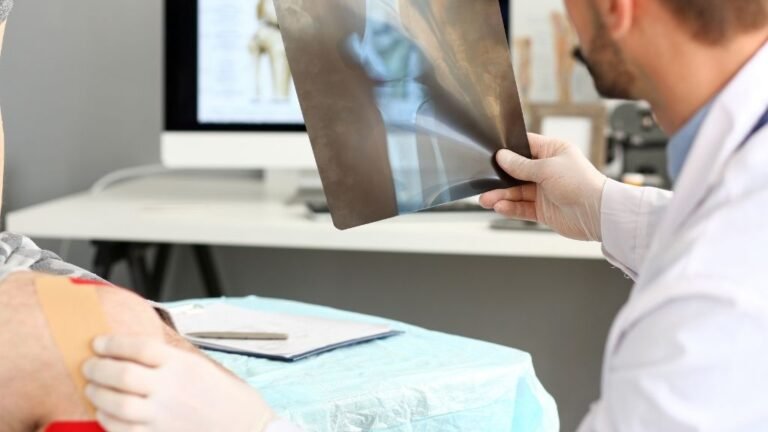

Als u leeft met aanhoudende lage rugpijn en standaardbehandelingen zoals fysiotherapie, rust en medicijnen geen verlichting meer bieden, bent u niet de enige. Veel patiënten in deze situatie gaan op zoek naar meer definitieve oplossingen. Een van die opties is een lumbale fusieoperatie. Maar wat houdt deze ingreep eigenlijk in? Wanneer is het echt nodig? En wat voor resultaten kunt u verwachten?
In dit artikel vindt u duidelijke en gedetailleerde antwoorden over lumbale fusiechirurgie, zodat u uw behandelopties beter kunt begrijpen. Bij Ribera Care International geloven we dat goed geïnformeerde patiënten mondige patiënten zijn.
Wat is lumbale fusiechirurgie
Bij een lumbale fusie worden twee of meer wervels in de lage wervelkolom permanent met elkaar verbonden. De chirurgische procedure is erop gericht om pijnlijke bewegingen van de wervels te elimineren door middel van botfusie. De chirurgische ingreep zorgt voor stabiliteit van de wervelkolom terwijl de zenuwcompressie wordt verlicht en de pijn als gevolg van specifieke aandoeningen van de wervelkolom afneemt.
De fusie wordt bereikt door een bottransplantaat tussen de aangetaste wervels te plaatsen. Dit transplantaat kan afkomstig zijn van het eigen lichaam van de patiënt, van een donor of van synthetische materialen. In veel gevallen wordt het transplantaat ondersteund met metalen staven, schroeven of kooien om een goede uitlijning te garanderen tijdens de genezing. Na verloop van tijd groeien de botten aan elkaar tot één stevig geheel.
Bij Ribera Care International gebruiken we waar mogelijk geavanceerde chirurgische planningshulpmiddelen en minimaal invasieve technieken om weefselschade te beperken en de hersteltijd voor onze patiënten te verbeteren.
Wanneer is een lumbale fusie aangewezen?
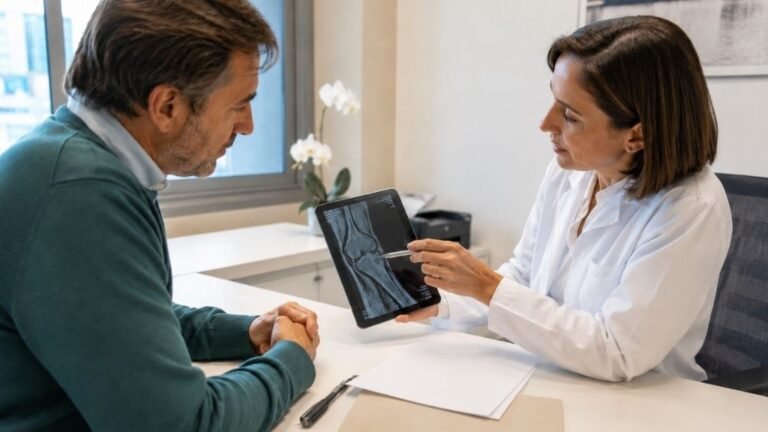
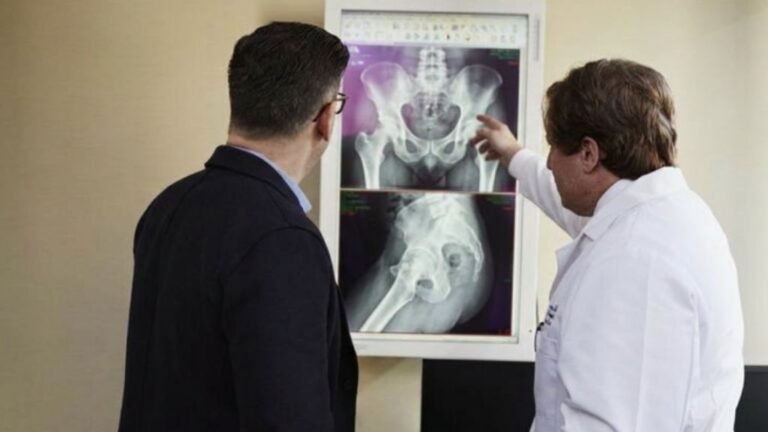
Lumbale fusie is bedoeld voor patiënten die geen verlichting van hun klachten hebben bereikt met conservatieve behandelingen, zoals fysiotherapie en pijnmedicatie en -injecties.De diagnose van de oorzaak van de pijn vereist zowel beeldvormend onderzoek als klinische evaluatie om de oorzaak vast te stellen.
Veel voorkomende aandoeningen waarvoor een lumbale fusieoperatie nodig kan zijn, zijn onder andere:
Degeneratieve discusziekte
Naarmate de wervelschijven ouder worden en verslechteren, kunnen ze aan hoogte en flexibiliteit verliezen, wat pijn en instabiliteit veroorzaakt. In gevallen waar conservatieve behandeling faalt, kan een lumbale fusie de wervelkolom stabiliseren en de symptomen verlichten.
Spondylolisthesis
De aandoening ontstaat wanneer een wervel naar voren schuift over een andere wervel. De aandoening veroorzaakt instabiliteit van de wervelkolom en zenuwcompressie wat resulteert in rugpijn en zwakte van de benen. Fusie helpt om de wervelkolom te herpositioneren en te stabiliseren.
Wervelkanaalvernauwing
Wanneer het wervelkanaal vernauwt, kan het op zenuwen drukken en symptomen zoals pijn in de benen, tintelingen of gevoelloosheid veroorzaken. Als decompressie alleen niet genoeg stabiliteit biedt, kan een spinale fusie worden toegevoegd om de wervelkolom na de operatie te ondersteunen.
Spinale breuken
De wervelkolom wordt instabiel als er breuken ontstaan door trauma of osteoporose. Fusiechirurgie helpt in deze situaties de juiste uitlijning te herstellen en het genezingsproces te ondersteunen.
Spinale misvormingen
De chirurgische procedure van fusie van de wervelkolom is noodzakelijk voor patiënten met scoliose of andere structurele misvormingen omdat het helpt de houding te verbeteren en tegelijkertijd de pijn te verminderen om progressie van de aandoening te voorkomen.
Mislukte rugoperatie
In sommige gevallen kunnen patiënten die niet goed reageerden op eerdere wervelkolomoperaties baat hebben bij fusie om stabiliteit te bieden en slepende problemen aan te pakken.
Hoe een lumbale fusieoperatie wordt uitgevoerd
Er bestaan verschillende chirurgische methoden om een lumbale fusie uit te voeren. De keuze van de chirurgische benadering hangt af van de specifieke aandoening, de anatomie van de patiënt en het ervaringsniveau van de chirurg. Gangbare technieken zijn onder andere:
- Lumbale interlumbale posterieure fusie (PLIF): uitgevoerd via een incisie in de rug
- Anterieure lumbale interbody fusie (ALIF): toegankelijk via de buik
- Transforaminale lumbale interbody fusie (TLIF): een zij/achterkant benadering die zenuwstoring minimaliseert
De chirurgische methoden bestaan uit het verwijderen van de schijf, gevolgd door het inbrengen van een bottransplantaat of spacer. De wervelkolom wordt ondersteund door metalen schroeven of staven die de uitlijning van de wervelkolom in stand houden totdat de botten samensmelten.
In de ziekenhuizen van Ribera Care International gebruiken onze chirurgische teams high-definition beeldvormingssystemen, navigatietechnologie en minimaal invasieve instrumenten om de precisie te verbeteren en postoperatief ongemak te verminderen.
Welke resultaten kunt u verwachten van een lumbale fusieoperatie?
Lumbale fusie is geen wondermiddel, maar kan de levenskwaliteit wel aanzienlijk verbeteren als de juiste indicatie wordt gesteld. Het stellen van realistische verwachtingen is de sleutel tot tevredenheid van de patiënt.
Voordelen van lumbale fusie
- Verlichting van chronische lage rugpijn gerelateerd aan beweging
- Verbeterde stabiliteit van de ruggengraat
- Betere houding en balans
- Beter in staat om dagelijkse activiteiten uit te voeren
- Minder afhankelijkheid van langdurige medicijnen
Te overwegen beperkingen
- Enig verlies van beweeglijkheid in het vergroeide deel van de wervelkolom
- Mogelijk verhoogde spanning op nabijgelegen ruggengraatsegmenten (adjacent segment disease)
- De fusie kan enkele maanden duren
- Niet alle patiënten ervaren volledige verlichting van de pijn
Klinische studies tonen aan dat tussen 60% en 80% van de patiënten een aanzienlijke verbetering melden na een lumbale fusie, vooral wanneer de operatie gebaseerd is op een goed gedefinieerde diagnose.
Hoe lumbale fusie chirurgie herstelt
Het herstel na een lumbale fusieoperatie kan per patiënt verschillen, maar de meeste mensen keren in de loop van weken tot maanden geleidelijk terug naar hun normale activiteiten.
Typische lumbale fusie operatie hersteltijd
- Verblijf in het ziekenhuis: 2 tot 4 dagen
- Terugkeer naar lichte activiteit: 4 tot 6 weken
- Terug aan het werk: 6 tot 12 weken (afhankelijk van functietype)
- Volledige botfusie: 6 tot 12 maanden
Procedures zoals heupprothesechirurgie hebben het leven van veel patiënten veranderd door mobiliteit te herstellen en pijn te verminderen. Op dezelfde manier biedt een lumbale fusieoperatie een effectieve oplossing voor mensen met chronische pijn in de onderrug als gevolg van instabiliteit of degeneratie van de wervelkolom. Voor meer informatie over heupprothesechirurgie kunt u ons artikel over Heupprothese-operatie (artroplastie): Voor, tijdens en na de ingreep.
Revalidatie en ondersteuning na een lumbale fusieoperatie
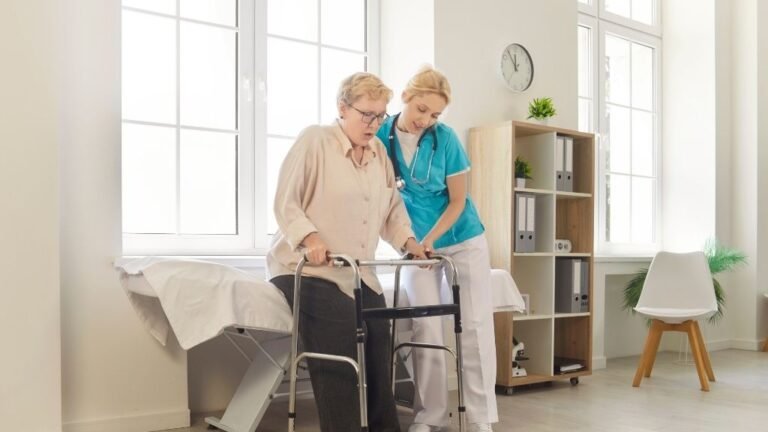
Fysiotherapie is een essentieel onderdeel van het herstelproces.De behandeling begint met lichte fysieke activiteiten die worden uitgebreid met krachttraining en mobiliteitsoefeningen. Bij Ribera Care International krijgen patiënten persoonlijke revalidatieplannen voor een veilig herstel na de operatie.
Onze internationale patiëntencoördinatoren helpen ook bij het waarborgen van de continuïteit van de zorg, de planning van de follow-up en de toegang tot fysiotherapie na de operatie, zowel in Spanje als op afstand.
Een lumbale fusieoperatie kan verlichting bieden aan mensen die lijden aan chronische lage rugpijn veroorzaakt door instabiliteit van de wervelkolom, discusdegeneratie of misvorming. Hoewel het niet voor iedereen geschikt is, heeft het veel patiënten geholpen hun mobiliteit terug te krijgen en hun afhankelijkheid van medicatie te verminderen.
Bij Ribera Care International combineren we geavanceerde medische technologie, ervaren chirurgische teams en gepersonaliseerde revalidatieprogramma's om patiënten van over de hele wereld de beste zorg te kunnen bieden. Om meer te weten te komen over hoe Ribera Health Group complete hulp biedt die is afgestemd op de behoeften van elke patiënt, kunt u ons gedetailleerde overzicht lezen ongeveer: Ribera Health Group: volledige medische bijstand door zijn artsen en tolken en persoonlijke coördinatoren.
Als u een lumbale fusieoperatie overweegt of een second opinion wilt, neem contact op met ons internationaal team voor patiëntenzorg. We zijn er om je bij elke stap te begeleiden.
Veelgestelde vragen (FAQ's) over lumbale fusiechirurgie
Wat is het verschil tussen discusfusie en rugfusie?
Er is geen groot verschil - discusfusie en rugfusie zijn termen die vaak door elkaar worden gebruikt. Beide verwijzen naar de chirurgische ingreep die twee of meer wervels permanent met elkaar verbindt om pijn veroorzaakt door instabiliteit van de wervelkolom of discusdegeneratie te verminderen.
Wat is de typische hersteltijd van een lumbale fusieoperatie?
De hersteltijd varieert per patiënt, maar omvat meestal:
- Verblijf in het ziekenhuis: 2 tot 4 dagen
- Terugkeer naar lichte activiteiten: 4 tot 6 weken
- Terug aan het werk: 6 tot 12 weken (afhankelijk van type baan)
- Volledige botfusie: 6 tot 12 maanden
Het volgen van het aanbevolen herstelprotocol, inclusief fysiotherapie, is de sleutel tot een succesvol resultaat.
Hoeveel kost een lumbale fusieoperatie?
De kosten van een lumbale fusieoperatie hangen af van de complexiteit van het geval, het ziekenhuis en het land. Bij Ribera Care International bieden we persoonlijke offertes die de medische zorg, het verblijf in het ziekenhuis, preoperatieve tests en follow-up omvatten. Ons team helpt ook met reizen en coördinatie voor internationale patiënten.
Wat is het standaardprotocol na een lumbale fusieoperatie?
Het lumbale fusieprotocol omvat doorgaans:
- Directe pijnbestrijding na de operatie
- Vroege ambulatie om complicaties te voorkomen
- Gebruik van een lumbale brace (indien geïndiceerd)
- Een gestructureerd fysiotherapieplan
- Follow-upbeelden om de voortgang van de fusie te beoordelen
Bij Ribera Care International krijgt elke patiënt een herstelprotocol op maat, gebaseerd op zijn specifieke aandoening en chirurgisch resultaat.
Is een lumbale fusieoperatie pijnlijk?
Na de operatie is enig ongemak te verwachten, maar de pijn wordt met medicijnen behandeld. De meeste patiënten ervaren een aanzienlijke verlichting van de pijn in vergelijking met hun toestand voor de operatie.
Kan ik lopen na een lumbale fusieoperatie?
Ja. Wandelen op jonge leeftijd wordt zelfs aangemoedigd om de genezing te bevorderen en complicaties te voorkomen. De meeste patiënten beginnen de dag na de operatie met lopen.
Verlies ik flexibiliteit na een lumbale fusieoperatie?
U kunt wat beweging verliezen in het gefuseerde deel van uw wervelkolom, maar de meeste patiënten merken geen grote verandering in dagelijkse activiteiten.
Wat zijn de risico's van een lumbale fusie?
Zoals bij elke operatie zijn infectie, bloeding, zenuwbeschadiging en het niet samensmelten van de botten (nonunion) risicofactoren. Deze risico's worden geminimaliseerd door zorgvuldige planning en techniek.