Schouderchirurgie in Spanje - Deskundige behandeling voor blijvende verlichting
Herstel je mobiliteit en leef weer pijnvrij.
Ervaar geavanceerde schouderchirurgie in Spanje met een van Europa's toonaangevende orthopedische teams. Bij Ribera Health Group combineren we chirurgische precisie, geavanceerde technologie en meelevende zorg voor een veilige, effectieve en persoonlijke behandeling, zodat u weer kracht, flexibiliteit en vertrouwen in uw dagelijks leven krijgt.
Vertel ons over uw zaak
Laat ons weten waarmee we je kunnen helpen en we nemen binnenkort contact met je op over je zaak.
Herstel je mobiliteit en leef weer pijnvrij.
Ervaar geavanceerde schouderchirurgie in Spanje met een van Europa's toonaangevende orthopedische teams. Bij Ribera Health Group combineren we chirurgische precisie, geavanceerde technologie en meelevende zorg voor een veilige, effectieve en persoonlijke behandeling, zodat u weer kracht, flexibiliteit en vertrouwen in uw dagelijks leven krijgt.
Vertel ons over uw zaak
Laat ons weten waarmee we je kunnen helpen en we nemen binnenkort contact met je op over je zaak.
Je kunt een kandidaat zijn als je ervaring hebt:
- Aanhoudende schouderpijn die je beperkt in beweging of slaap.
- Moeite om je arm op te tillen of alledaagse taken uit te voeren.
- Terugkerende schouderontwrichtingen of chronische instabiliteit.
- Degeneratieve gewrichtsaandoeningen die niet reageren op fysiotherapie of medicatie.
Onze chirurgen beoordelen elk geval individueel en houden daarbij rekening met uw leeftijd, activiteitenniveau en algemene gezondheid. Of u nu een atleet bent die zijn prestaties wil hervatten of een patiënt die zijn dagelijks comfort wil herstellen, we stellen een persoonlijk behandelplan op dat past bij uw doelen.
De meeste procedures worden uitgevoerd onder regionale en algehele anesthesie voor maximaal comfort.
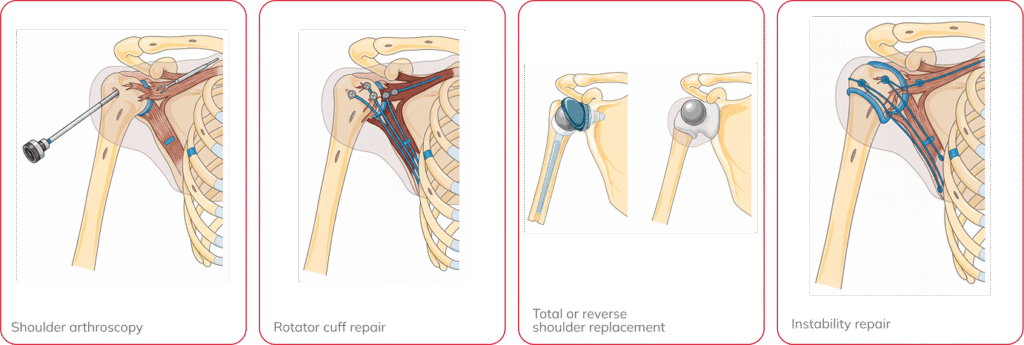
Afhankelijk van je diagnose kan de operatie het volgende omvatten:
- Schouderartroscopie: Een minimaal invasieve techniek waarbij kleine incisies worden gebruikt om pezen te repareren of beschadigd weefsel te verwijderen.
- Rotator cuff reparatie: Reconstructie van gescheurde pezen om kracht en beweging te herstellen.
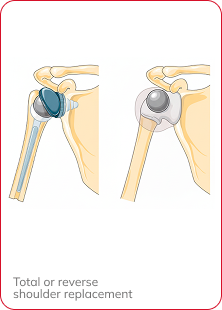
- Totale of omgekeerde schoudervervanging: Vervanging van het gewricht door een biocompatibele prothese voor ernstige artritis of onherstelbare schade.
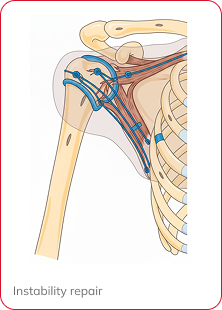
- Instabiliteitsherstel: Aanspannen of reconstrueren van het schouderkapsel om toekomstige ontwrichtingen te voorkomen.
Met behulp van navigatiesystemen en high-definition artroscopie zorgen onze specialisten voor een nauwkeurige uitvoering en minimaliseren ze weefseltrauma. De meeste patiënten verlaten het ziekenhuis binnen 24-48 uur.
Hersteltijd en succespercentages

Hersteltijd: De revalidatie begint kort na de operatie. De meeste patiënten kunnen binnen 4-6 weken weer functioneel bewegen en kunnen na 2-3 maanden, afhankelijk van de ingreep, hun dagelijkse activiteiten hervatten. Ons fysiotherapeutisch team stelt een herstelplan op maat op en zorgt voor online follow-up voor internationale patiënten.

Slagingspercentages: Het schouderchirurgieprogramma van Ribera behaalt een functioneel herstelpercentage van 97%, met een hoge patiënttevredenheid en lage complicatiepercentages. Patiënten ervaren vaak binnen enkele weken een drastische pijnvermindering en een verbeterd bewegingsbereik.
Voordelen ten opzichte van andere ziekenhuizen
- Expertise in artroscopische en prothetische schouderchirurgie, uitgevoerd door internationaal erkende chirurgen.
- Gebruik van 3D chirurgische planning en minimaal invasieve technieken voor snellere genezing.
- Uitgebreide revalidatieprogramma's onder toezicht van gespecialiseerde fysiotherapeuten.
- Volledige internationale service voor patiënten, inclusief reiscoördinatie, vertaling en tele-rehabilitatie.
- Bewezen uitmuntendheid binnen de Ribera Health Group, een van de meest innovatieve ziekenhuisnetwerken van Europa.
Medische voorbereiding vóór de procedure
- Voor de operatie ondergaat u een volledige orthopedische evaluatie, inclusief röntgenfoto's, MRI- of CT-scans en bloedonderzoek. Deze helpen je chirurgische team om de exacte conditie van je schouder te begrijpen - of het nu gaat om een rotator cuff scheur, artritis of instabiliteit - en de meest effectieve aanpak te plannen, van artroscopie tot schoudervervanging.
Vasten
- Eet of drink niets meer (ook geen water, kauwgom of snoep) na middernacht de avond voor uw operatie. U mag goedgekeurde medicijnen innemen met een klein slokje water, zoals voorgeschreven door uw arts.
Medicijnen en gezondheidstoestanden
- Sommige medicijnen, zoals bloedverdunners of diabetesbehandelingen, moeten mogelijk vóór de operatie worden gepauzeerd of aangepast. Geef uw arts een volledige lijst met uw huidige medicijnen en eventuele allergieën of chronische gezondheidsproblemen.
Roken en alcohol
- Vermijd roken en alcohol gedurende enkele dagen voor de operatie, omdat deze de genezing van het weefsel kunnen vertragen en het risico op complicaties kunnen verhogen.
Fysieke voorbereiding
- Je chirurg kan lichte schouder- en houdingsoefeningen aanraden vóór de ingreep om het postoperatieve herstel te verbeteren. Patiënten worden ook aangemoedigd om gezond te eten en gehydrateerd te blijven in de weken voor de operatie.
Logistiek en comfort
- Draag losse, comfortabele kleding die aan de voorkant open kan en verwijder sieraden, lotions en deodorant op de dag van de operatie. Als u vanuit het buitenland reist, zal het internationale team van Ribera u helpen met het regelen van hotel en vervoer. U heeft iemand nodig die u begeleidt of vervoer terug naar uw accommodatie na ontslag.
Toestemming en vragen bevestigen
- Voor de operatie wordt een toestemmingsformulier doorgenomen en ondertekend en krijg je duidelijke schriftelijke en mondelinge instructies. Dit is een goede gelegenheid om het type anesthesie, de verwachte hersteltijd en eventuele last-minute vragen te bespreken.
Postoperatieve ziekenhuiszorg
- De meeste schouderoperaties worden uitgevoerd onder algemene verdoving met een regionaal zenuwblok voor comfort. Afhankelijk van de complexiteit van de ingreep blijf je één tot drie dagen in het ziekenhuis. Je schouder wordt ondersteund in een draagdoek of immobilizer en je begint met rustige bewegingsoefeningen onder toezicht.
Medicijnen
- Je krijgt pijnstillers en ontstekingsremmers, soms gecombineerd met antibiotica om infectie te voorkomen. Het is cruciaal om de instructies van je arts zorgvuldig op te volgen en de medicijnen niet voortijdig te stoppen..
Wondverzorging en hygiëne
- Houd het operatiegebied schoon en droog. Vermijd onderdompeling van de wond in water totdat de hechtingen zijn verwijderd. Douchen is meestal toegestaan na een paar dagen met een beschermend verband. Breng geen crèmes of zalven aan tenzij voorgeschreven.
Lichamelijke activiteit
- Lichte dagelijkse activiteiten kunnen meestal na 7-10 dagen worden hervat, afhankelijk van je ingreep. Je zult beginnen met fysiotherapie om de beweging en kracht geleidelijk te herstellen. Vermijd tillen, duwen of activiteiten boven je hoofd gedurende ten minste zes weken, tenzij anders aangegeven door je chirurg.
Dieet en levensstijl
- Zorg voor een uitgebalanceerd dieet dat rijk is aan eiwitten, calcium en vitamine C en D om de genezing van botten en weefsel te bevorderen. Blijf goed gehydrateerd en blijf alcohol en tabak vermijden tijdens de herstelfase.
Waarschuwingssignalen herkennen
Neem onmiddellijk contact op met uw arts of zorgcoördinator als u last krijgt van:
- Plotselinge of intense pijn in de schouder die niet verlicht wordt door medicatie
- Significante zwelling of roodheid rond de incisie
- Koorts of rillingen
- Vloeistoflekkage, pus of een vieze geur uit de operatieplaats
- Gevoelloosheid of bewegingsverlies in de arm of hand
Vervolgafspraken
- Je eerste vervolgbezoek vindt meestal binnen een week na de operatie plaats. Er worden aanvullende onderzoeken en foto's (zoals röntgenfoto's) gepland om de genezing te controleren. Als je een internationale patiënt bent, kunnen deze afspraken virtueel worden gemaakt via ons telegeneeskundeplatform.
Schouderchirurgie bij Ribera Health Group helpt patiënten hun onafhankelijkheid, zelfvertrouwen en levenskwaliteit terug te krijgen. Onze patiënten beschrijven hun herstel vaak als transformerend, vrij van chronische pijn en in staat om terug te keren naar sport, werk en dagelijkse activiteiten.
Herstelde mobiliteit en kracht
Beweeg je arm vrij en voer taken uit zonder ongemak.
Verlichting van pijn en functie
Langdurige verbetering die de behoefte aan pijnmedicatie vermindert of elimineert.
Minimaal invasieve technieken
Snellere genezing, minder littekens en minder kans op complicaties.
Uitgebreide ondersteuning
Van pre-operatieve planning tot postoperatieve revalidatie, ons internationale team ondersteunt je bij elke stap.
Expertise van wereldklasse
Onze orthopedische chirurgen zijn leiders in schouderreconstructie en combineren klinische uitmuntendheid met meelevende zorg.
Kiezen voor Ribera Care International voor uw schouderoperatie in Spanje betekent vertrouwen op een team dat toegewijd is aan het herstellen van uw mobiliteit en welzijn met de hoogste internationale normen van veiligheid en precisie.
Preventieve voordelen
Een heupprothese herstelt niet alleen de mobiliteit, maar voorkomt ook verdere gewrichtsschade, vermindert het risico op vallen en ontlast de omliggende gewrichten.
Geschikt voor een breed scala aan patiënten
Een heupprothese-operatie is een veilige en effectieve oplossing voor mensen die lijden aan ernstige artritis, verslechtering van gewrichten of heupfracturen en biedt een nieuwe kans op leven.
Kiezen voor Ribera Health Group voor uw heupprothese betekent kiezen voor deskundige zorg, faciliteiten van wereldklasse en persoonlijke behandelplannen op maat van uw behoeften. Zet de eerste stap naar een pijnvrije, actieve toekomst met ons gespecialiseerde orthopedische team.
Wat is een schouderoperatie en wanneer is het nodig?
Een schouderoperatie wordt uitgevoerd om beschadigde structuren in het gewricht te herstellen of te vervangen, meestal wanneer niet-chirurgische behandelingen zoals fysiotherapie of injecties niet langer effectief zijn. Het is meestal geïndiceerd voor rotator cuff scheuren, artritis, instabiliteit van de schouder of fracturen die de mobiliteit beïnvloeden en aanhoudende pijn veroorzaken.
Welke soorten schouderoperaties komen het meest voor?
De meest voorkomende procedures zijn artroscopisch peesherstel, rotator cuff reconstructie, labrum stabilisatie en totale of omgekeerde schoudervervanging. Elke techniek wordt gekozen op basis van de diagnose van de patiënt, het activiteitenniveau en de mate van weefselschade.
Wat is het verschil tussen een totale en een omgekeerde schoudervervanging?
Bij een totale schouderprothese wordt de kogelgewrichtsanatomie gereproduceerd met behulp van biocompatibele implantaten, ideaal wanneer de rotator cuff intact is. Bij een omgekeerde schouderprothese worden de posities omgewisseld zodat andere spieren, voornamelijk de deltaspier, de arm kunnen bewegen als de rotator cuff ernstig beschadigd is.
Hoe lang duurt een schouderoperatie?
De operatie duurt meestal één tot twee uur, afhankelijk van de complexiteit. Arthroscopische procedures zijn meestal korter, terwijl gewrichtsvervangingen iets langer kunnen duren vanwege de plaatsing van implantaten en reconstructiestappen.
Welk type verdoving wordt gebruikt?
Een schouderoperatie wordt meestal uitgevoerd onder algehele anesthesie in combinatie met een regionaal zenuwblok, waardoor de arm gedurende 12-24 uur na de ingreep wordt verdoofd. Deze combinatie biedt comfort tijdens de operatie en minimaliseert de pijn tijdens de eerste fase van het herstel.
Hoe snel kan ik mijn schouder gaan bewegen na de operatie?
Zachte passieve bewegingen beginnen vaak binnen de eerste paar dagen, onder begeleiding van een fysiotherapeut. Actieve beweging wordt geleidelijk geïntroduceerd na twee tot drie weken, afhankelijk van de ingreep en de aanbevelingen van de chirurg. Vroege, gecontroleerde beweging is de sleutel tot het voorkomen van stijfheid.
Hoe lang duurt het herstel na een schouderoperatie?
Het herstel varieert afhankelijk van de techniek: ongeveer 6-8 weken voor artroscopische reparaties en 3-6 maanden voor prothesen. Tijdens deze periode is fysiotherapie cruciaal om kracht, stabiliteit en een volledig bewegingsbereik te herstellen.
Moet ik na de operatie een draagdoek dragen?
Ja. Een schouderbandage of immobilizer wordt meestal de eerste 2-4 weken gebruikt om de reparatie te beschermen en weefsels te laten genezen. Je chirurg zal je vertellen hoe lang je het om moet houden en wanneer je het moet verwijderen voor oefeningen.
Wat zijn de mogelijke risico's of complicaties?
Hoewel een schouderoperatie veilig en zeer effectief is, kunnen zeldzame complicaties infectie, stijfheid, zenuwirritatie of een nieuwe peesscheuring zijn. Deze risico's worden geminimaliseerd door steriele technieken, zorgvuldige chirurgische planning en nauwgezette postoperatieve controle.
Wanneer kan ik terugkeren naar sport of lichaamsbeweging?
Lichte activiteiten en kantoorwerk kunnen vaak binnen 4-6 weken worden hervat. Sporten of zwaar lichamelijk werk vergen meestal 3-6 maanden, afhankelijk van de genezing en de voortgang van de revalidatie. Patiënten die hun fysiotherapeutische plan volgen, kunnen meestal weer volledig functioneren en veilig sporten.
Over schouderchirurgie
Schouderchirurgie omvat een reeks procedures om de functie te herstellen, pijn te verminderen en de stabiliteit van het gewricht te verbeteren. Bij Ribera voeren onze orthopedische specialisten zowel minimaal invasieve artroscopische reparaties uit als complexe gewrichtsvervangingen, afhankelijk van de aandoening van elke patiënt.
Veel voorkomende indicaties zijn rotator cuff scheuren, schouder instabiliteit of ontwrichtingen, artritis en fracturen. Met behulp van geavanceerde beeldvorming en 3D-planningsystemen stemmen we elke procedure af op de anatomie en activiteitsdoelen van de patiënt, wat resulteert in uitzonderlijke precisie en sneller herstel.
Je kunt een kandidaat zijn als je ervaring hebt:
- Aanhoudende schouderpijn die je beperkt in beweging of slaap.
- Moeite om je arm op te tillen of alledaagse taken uit te voeren.
- Terugkerende schouderontwrichtingen of chronische instabiliteit.
- Degeneratieve gewrichtsaandoeningen die niet reageren op fysiotherapie of medicatie.
Onze chirurgen beoordelen elk geval individueel en houden daarbij rekening met uw leeftijd, activiteitenniveau en algemene gezondheid. Of u nu een atleet bent die zijn prestaties wil hervatten of een patiënt die zijn dagelijks comfort wil herstellen, we stellen een persoonlijk behandelplan op dat past bij uw doelen.
De meeste procedures worden uitgevoerd onder regionale en algehele anesthesie voor maximaal comfort.
Afhankelijk van je diagnose kan de operatie het volgende omvatten:
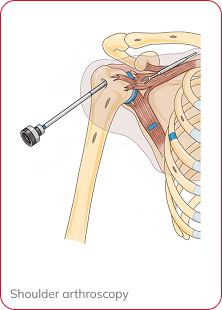
- Schouderartroscopie: Een minimaal invasieve techniek waarbij kleine incisies worden gebruikt om pezen te repareren of beschadigd weefsel te verwijderen.
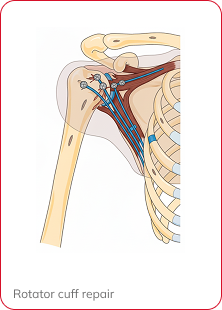
- Rotator cuff reparatie: Reconstructie van gescheurde pezen om kracht en beweging te herstellen.
- Totale of omgekeerde schoudervervanging: Vervanging van het gewricht door een biocompatibele prothese voor ernstige artritis of onherstelbare schade.
- Instabiliteitsherstel: Aanspannen of reconstrueren van het schouderkapsel om toekomstige ontwrichtingen te voorkomen.
Met behulp van navigatiesystemen en high-definition artroscopie zorgen onze specialisten voor een nauwkeurige uitvoering en minimaliseren ze weefseltrauma. De meeste patiënten verlaten het ziekenhuis binnen 24-48 uur.

Relevante gegevens
Hersteltijd en succespercentages
Hersteltijd: De revalidatie begint kort na de operatie. De meeste patiënten kunnen binnen 4-6 weken weer functioneel bewegen en kunnen na 2-3 maanden, afhankelijk van de ingreep, hun dagelijkse activiteiten hervatten. Ons fysiotherapeutisch team stelt een herstelplan op maat op en zorgt voor online follow-up voor internationale patiënten.
Slagingspercentages: Het schouderchirurgieprogramma van Ribera behaalt een functioneel herstelpercentage van 97%, met een hoge patiënttevredenheid en lage complicatiepercentages. Patiënten ervaren vaak binnen enkele weken een drastische pijnvermindering en een verbeterd bewegingsbereik.
Voordelen ten opzichte van andere ziekenhuizen
- Expertise in artroscopische en prothetische schouderchirurgie, uitgevoerd door internationaal erkende chirurgen.
- Gebruik van 3D chirurgische planning en minimaal invasieve technieken voor snellere genezing.
- Uitgebreide revalidatieprogramma's onder toezicht van gespecialiseerde fysiotherapeuten.
- Volledige internationale service voor patiënten, inclusief reiscoördinatie, vertaling en tele-rehabilitatie.
- Bewezen uitmuntendheid binnen de Ribera Health Group, een van de meest innovatieve ziekenhuisnetwerken van Europa.
Voor- en nazorg
Medische voorbereiding vóór de procedure
- Voor de operatie ondergaat u een volledige orthopedische evaluatie, inclusief röntgenfoto's, MRI- of CT-scans en bloedonderzoek. Deze helpen je chirurgische team om de exacte conditie van je schouder te begrijpen - of het nu gaat om een rotator cuff scheur, artritis of instabiliteit - en de meest effectieve aanpak te plannen, van artroscopie tot schoudervervanging.
Vasten
- Eet of drink niets meer (ook geen water, kauwgom of snoep) na middernacht de avond voor uw operatie. U mag goedgekeurde medicijnen innemen met een klein slokje water, zoals voorgeschreven door uw arts.
Medicijnen en gezondheidstoestanden
- Sommige medicijnen, zoals bloedverdunners of diabetesbehandelingen, moeten mogelijk vóór de operatie worden gepauzeerd of aangepast. Geef uw arts een volledige lijst met uw huidige medicijnen en eventuele allergieën of chronische gezondheidsproblemen.
Roken en alcohol
- Vermijd roken en alcohol gedurende enkele dagen voor de operatie, omdat deze de genezing van het weefsel kunnen vertragen en het risico op complicaties kunnen verhogen.
Fysieke voorbereiding
- Je chirurg kan lichte schouder- en houdingsoefeningen aanraden vóór de ingreep om het postoperatieve herstel te verbeteren. Patiënten worden ook aangemoedigd om gezond te eten en gehydrateerd te blijven in de weken voor de operatie.
Logistiek en comfort
- Draag losse, comfortabele kleding die aan de voorkant open kan en verwijder sieraden, lotions en deodorant op de dag van de operatie. Als u vanuit het buitenland reist, zal het internationale team van Ribera u helpen met het regelen van hotel en vervoer. U heeft iemand nodig die u begeleidt of vervoer terug naar uw accommodatie na ontslag.
Toestemming en vragen bevestigen
- Voor de operatie wordt een toestemmingsformulier doorgenomen en ondertekend en krijg je duidelijke schriftelijke en mondelinge instructies. Dit is een goede gelegenheid om het type anesthesie, de verwachte hersteltijd en eventuele last-minute vragen te bespreken.
Postoperatieve ziekenhuiszorg
- De meeste schouderoperaties worden uitgevoerd onder algemene verdoving met een regionaal zenuwblok voor comfort. Afhankelijk van de complexiteit van de ingreep blijf je één tot drie dagen in het ziekenhuis. Je schouder wordt ondersteund in een draagdoek of immobilizer en je begint met rustige bewegingsoefeningen onder toezicht.
Medicijnen
- Je krijgt pijnstillers en ontstekingsremmers, soms gecombineerd met antibiotica om infectie te voorkomen. Het is cruciaal dat je de instructies van je arts zorgvuldig opvolgt en de medicijnen niet voortijdig stopt....
Wondverzorging en hygiëne
- Houd het operatiegebied schoon en droog. Vermijd onderdompeling van de wond in water totdat de hechtingen zijn verwijderd. Douchen is meestal toegestaan na een paar dagen met een beschermend verband. Breng geen crèmes of zalven aan tenzij voorgeschreven.
Lichamelijke activiteit
- Lichte dagelijkse activiteiten kunnen meestal na 7-10 dagen worden hervat, afhankelijk van je ingreep. Je zult beginnen met fysiotherapie om de beweging en kracht geleidelijk te herstellen. Vermijd tillen, duwen of activiteiten boven je hoofd gedurende ten minste zes weken, tenzij anders aangegeven door je chirurg.
Dieet en levensstijl
- Zorg voor een uitgebalanceerd dieet dat rijk is aan eiwitten, calcium en vitamine C en D om de genezing van botten en weefsel te bevorderen. Blijf goed gehydrateerd en blijf alcohol en tabak vermijden tijdens de herstelfase.
Waarschuwingssignalen herkennen
Neem onmiddellijk contact op met uw arts of zorgcoördinator als u last krijgt van:
- Plotselinge of intense pijn in de schouder die niet verlicht wordt door medicatie
- Significante zwelling of roodheid rond de incisie
- Koorts of rillingen
- Vloeistoflekkage, pus of een vieze geur uit de operatieplaats
- Gevoelloosheid of bewegingsverlies in de arm of hand
Vervolgafspraken
- Je eerste vervolgbezoek vindt meestal binnen een week na de operatie plaats. Er worden aanvullende onderzoeken en foto's (zoals röntgenfoto's) gepland om de genezing te controleren. Als je een internationale patiënt bent, kunnen deze afspraken virtueel worden gemaakt via ons telegeneeskundeplatform.
Voordelen
Schouderchirurgie bij Ribera Health Group helpt patiënten hun onafhankelijkheid, zelfvertrouwen en levenskwaliteit terug te krijgen. Onze patiënten beschrijven hun herstel vaak als transformerend, vrij van chronische pijn en in staat om terug te keren naar sport, werk en dagelijkse activiteiten.
Herstelde mobiliteit en kracht
Beweeg je arm vrij en voer taken uit zonder ongemak.
Verlichting van pijn en functie
Langdurige verbetering die de behoefte aan pijnmedicatie vermindert of elimineert.
Minimaal invasieve technieken
Snellere genezing, minder littekens en minder kans op complicaties.
Uitgebreide ondersteuning
Van pre-operatieve planning tot postoperatieve revalidatie, ons internationale team ondersteunt je bij elke stap.
Expertise van wereldklasse
Onze orthopedische chirurgen zijn leiders in schouderreconstructie en combineren klinische uitmuntendheid met meelevende zorg.
Kiezen voor Ribera Care International voor uw schouderoperatie in Spanje betekent vertrouwen op een team dat toegewijd is aan het herstellen van uw mobiliteit en welzijn met de hoogste internationale normen van veiligheid en precisie.
Preventieve voordelen
Een heupprothese herstelt niet alleen de mobiliteit, maar voorkomt ook verdere gewrichtsschade, vermindert het risico op vallen en ontlast de omliggende gewrichten.
Geschikt voor een breed scala aan patiënten
Een heupprothese-operatie is een veilige en effectieve oplossing voor mensen die lijden aan ernstige artritis, verslechtering van gewrichten of heupfracturen en biedt een nieuwe kans op leven.
Kiezen voor Ribera Health Group voor uw heupprothese betekent kiezen voor deskundige zorg, faciliteiten van wereldklasse en persoonlijke behandelplannen op maat van uw behoeften. Zet de eerste stap naar een pijnvrije, actieve toekomst met ons gespecialiseerde orthopedische team.
FAQs
Wat is een schouderoperatie en wanneer is het nodig?
Een schouderoperatie wordt uitgevoerd om beschadigde structuren in het gewricht te repareren of te vervangen, meestal wanneer niet-chirurgische behandelingen zoals fysiotherapie of injecties niet langer effectief zijn.
Het is meestal geïndiceerd voor rotator cuff scheuren, artritis, instabiliteit van de schouder of fracturen die de mobiliteit beïnvloeden en aanhoudende pijn veroorzaken.
Welke soorten schouderoperaties komen het meest voor?
De meest voorkomende procedures zijn artroscopisch peesherstel, rotator cuff reconstructie, labrum stabilisatie en totale of omgekeerde schoudervervanging. Elke techniek wordt gekozen op basis van de diagnose van de patiënt, het activiteitenniveau en de mate van weefselschade.
Wat is het verschil tussen een totale en een omgekeerde schoudervervanging?
Bij een totale schouderprothese wordt de kogelgewrichtsanatomie gereproduceerd met behulp van biocompatibele implantaten, ideaal wanneer de rotator cuff intact is. Bij een omgekeerde schouderprothese worden de posities omgewisseld zodat andere spieren, voornamelijk de deltaspier, de arm kunnen bewegen als de rotator cuff ernstig beschadigd is.
Hoe lang duurt een schouderoperatie?
De operatie duurt meestal één tot twee uur, afhankelijk van de complexiteit. Arthroscopische procedures zijn meestal korter, terwijl gewrichtsvervangingen iets langer kunnen duren vanwege de plaatsing van implantaten en reconstructiestappen.
Welk type verdoving wordt gebruikt?
Een schouderoperatie wordt meestal uitgevoerd onder algehele anesthesie in combinatie met een regionaal zenuwblok, waardoor de arm gedurende 12-24 uur na de ingreep wordt verdoofd. Deze combinatie biedt comfort tijdens de operatie en minimaliseert de pijn tijdens de eerste fase van het herstel.
Hoe snel kan ik mijn schouder gaan bewegen na de operatie?
Zachte passieve bewegingen beginnen vaak binnen de eerste paar dagen, onder begeleiding van een fysiotherapeut. Actieve beweging wordt geleidelijk geïntroduceerd na twee tot drie weken, afhankelijk van de ingreep en de aanbevelingen van de chirurg. Vroege, gecontroleerde beweging is de sleutel tot het voorkomen van stijfheid.
Hoe lang duurt het herstel na een schouderoperatie?
Het herstel varieert afhankelijk van de techniek: ongeveer 6-8 weken voor artroscopische reparaties en 3-6 maanden voor prothesen. Tijdens deze periode is fysiotherapie cruciaal om kracht, stabiliteit en een volledig bewegingsbereik te herstellen.
Moet ik na de operatie een draagdoek dragen?
Ja. Een schouderbandage of immobilizer wordt meestal de eerste 2-4 weken gebruikt om de reparatie te beschermen en weefsels te laten genezen. Je chirurg zal je vertellen hoe lang je het om moet houden en wanneer je het moet verwijderen voor oefeningen.
Wat zijn de mogelijke risico's of complicaties?
Hoewel een schouderoperatie veilig en zeer effectief is, kunnen zeldzame complicaties infectie, stijfheid, zenuwirritatie of een nieuwe peesscheuring zijn. Deze risico's worden geminimaliseerd door steriele technieken, zorgvuldige chirurgische planning en nauwgezette postoperatieve controle.
Wanneer kan ik terugkeren naar sport of lichaamsbeweging?
Lichte activiteiten en kantoorwerk kunnen vaak binnen 4-6 weken worden hervat. Sporten of zwaar lichamelijk werk vergen meestal 3-6 maanden, afhankelijk van de genezing en de voortgang van de revalidatie. Patiënten die hun fysiotherapeutische plan volgen, kunnen meestal weer volledig functioneren en veilig sporten.
Wat is inbegrepen:
- Medische kosten en ziekenhuiskosten tijdens je verblijf voor de operatie, inclusief pre-operatieve onderzoeken, tests en scans.
- Postoperatieve consulten en revalidatie.
- Privétransferservice tussen de luchthaven, het ziekenhuis en het hotel.
- 4-5 nachten 4-sterren hotelaccommodatie na de operatie in Eurostars Acteón Valencia (voor operaties in Hospital Ribera IMSKE) of Sercotel Alfonso XIII Cartagena (voor operaties in Hospital Ribera Virgen de la Caridad).
Artsen
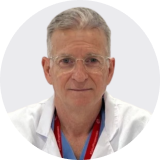
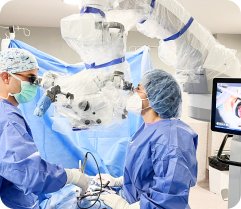
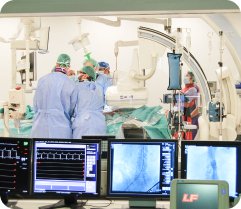
De afdeling Traumatologie van Ribera wordt geleid door een team van gerenommeerde specialisten met uitgebreide ervaring in orthopedie, sportgeneeskunde en musculoskeletale chirurgie. Onze experts lopen voorop op het gebied van innovatie en maken gebruik van geavanceerde technologie en technieken om zorg van wereldklasse te leveren.



Faciliteiten
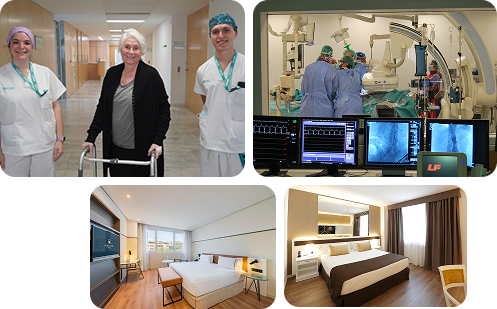
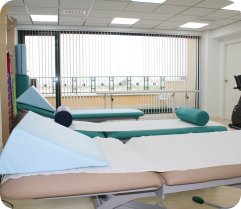
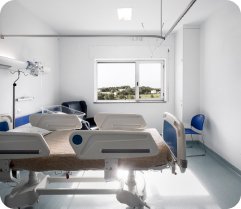
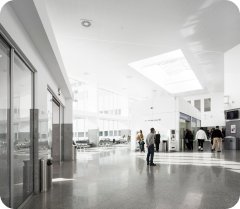
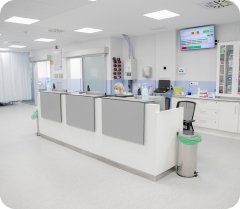
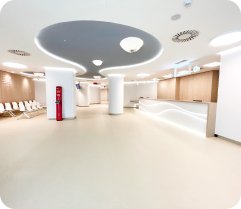
Onze ziekenhuizen en centra zijn uitgerust met geavanceerde technologie en moderne installaties die ontworpen zijn om de hoogste normen van medische zorg te leveren. We bieden comfortabele patiëntenkamers, een uitnodigende omgeving en voorzieningen op maat voor een soepele en stressvrije zorgervaring voor u en uw dierbaren.





Waarom Ribera kiezen voor uw gewrichtsvervangende operatie?
Bij Ribera Health Group combineren we expertise, innovatie en patiëntgerichte zorg om de best mogelijke resultaten te leveren voor gewrichtsvervangende operaties. Dit is waarom Ribera uw vertrouwde partner is voor orthopedische zorg:

Expertise van wereldklasse
Onze hoogopgeleide orthopedische chirurgen en musculoskeletale specialisten hebben uitgebreide ervaring in het uitvoeren van heup-, knie- en schouderprothesen. Wij streven naar uitmuntendheid en bieden persoonlijke, effectieve behandelingen voor succes op de lange termijn.

Geavanceerde technologie
De Ribera centra zijn uitgerust met de nieuwste ontwikkelingen op het gebied van orthopedische chirurgie, waaronder robotprocedures, 3D-beeldvorming en minimaal invasieve technieken. Dit zorgt voor nauwkeurige plaatsing van implantaten, kortere hersteltijden en verbeterde mobiliteit voor onze patiënten.

Gespecialiseerde orthopedische zorg
Gewrichtsvervangende chirurgie bij Ribera is slechts één onderdeel van onze holistische benadering van musculoskeletale gezondheid. Wij bieden een naadloze ervaring om uw volledig herstel en langdurige gezondheid van uw gewrichten te ondersteunen met gepersonaliseerde revalidatieplannen en nazorg.

Patiëntgerichte benadering
Uw comfort en welzijn zijn onze topprioriteiten. Onze toegewijde zorgteams nemen de tijd om uw doelen te begrijpen, uw vragen te beantwoorden en u te begeleiden bij elke stap van uw gewrichtsvervanging.

Internationale patiëntenondersteuning
Voor onze internationale patiënten bieden we gespecialiseerde diensten, waaronder meertalige ondersteuning, reisassistentie en persoonlijke medische coördinatie. Wij zorgen ervoor dat de toegang tot orthopedische zorg van wereldklasse soepel en zonder stress verloopt en is afgestemd op uw behoeften.

Bewezen resultaten
Met een track record van succesvolle gewrichtsprothesen is Ribera er trots op operaties aan te bieden die de kwaliteit van leven aanzienlijk verbeteren. Onze focus op patiëntenresultaten zorgt ervoor dat u de uitzonderlijke zorg krijgt die u verdient.
Wat onze patiënten over ons zeggen


Andere behandelingen.
Vertrouw op orthopedische zorg van wereldklasse bij Ribera
Ontvang een persoonlijk behandelplan en begin vandaag nog aan uw reis naar een betere gezondheid van uw gewrichten.