

Lange wachtlijsten in Ierland kunnen leiden tot uitstel van essentiële behandelingen zoals heup- of knieprothesen, staaroperaties of hartzorg. De EU-richtlijn inzake grensoverschrijdende gezondheidszorg (Cross Border Directive, CBD) biedt een alternatief: hierdoor kunnen Ierse inwoners geplande gezondheidszorg ontvangen in een ander EU- of EER-land, zoals Spanje, en later een terugbetaling van de behandelingskosten aanvragen bij de Health Service Executive (HSE).
In dit artikel leggen we uit hoe de richtlijn in grote lijnen werkt, welke soorten behandelingen Ierse patiënten in Spanje doorgaans krijgen en hoe Ribera Care International patiënten tijdens het hele proces ondersteunt.
Alle informatie hieronder volgt de officiële richtlijnen van de HSE. Raadpleeg de officiële website voor de meest nauwkeurige en bijgewerkte informatie: Grensoverschrijdende Richtlijn Regeling.
Inzicht in de grensoverschrijdende EU-richtlijn
De EU-richtlijn betreffende grensoverschrijdende gezondheidszorg (2011/24/EU) geeft EU-burgers het recht om geplande medische zorg in een andere lidstaat te ontvangen en vervolgens terugbetaling aan te vragen bij de openbare gezondheidszorg in hun eigen land. Voor Ierse patiënten betekent dit dat je ervoor kunt kiezen om een geplande medische behandeling in een ander EU- of EER-land te ondergaan en achteraf terugbetaling voor de behandeling kunt aanvragen bij de HSE. Je moet de zorgverlener in het buitenland rechtstreeks betalen en vervolgens alle vereiste documentatie indienen voor terugbetaling.
Het is belangrijk om te weten dat reis-, verblijf- en vertaalkosten niet worden vergoed en dat je alleen aanspraak kunt maken op terugbetaling voor behandelingen die algemeen beschikbaar zijn in Ierland.
Wie kan de regeling gebruiken
Volgens de HSE kun je een aanvraag indienen onder de Grensoverschrijdende Richtlijn als:
- Je woont in Ierland of bent van plan om er minstens een jaar te wonen.
- Je hebt recht op openbare gezondheidszorg in Ierland.
- Je bent doorverwezen voor behandeling door een huisarts of consulent die je als publieke patiënt hebt gezien.
Als uw inkomen of staatspensioen uit een ander EU- of EER-land komt, kunnen er andere regels gelden. De HSE adviseert om rechtstreeks contact met hen op te nemen als je niet zeker weet welk land je aanvraag moet behandelen.
Populairste behandelingen onder Ierse patiënten
Hoewel de grensoverschrijdende EU-richtlijn geen vaste lijst van procedures bevat, zijn de HSE bevestigt dat patiënten zich in het buitenland mogen laten behandelen voor elke gezondheidszorgdienst die in Ierland openbaar beschikbaar is. In de praktijk zijn bepaalde specialismen bijzonder populair geworden onder Ierse inwoners die naar Spanje reizen voor snellere toegang en specialistische zorg.
Op basis van onze ervaring behoren de volgende specialismen tot de meest gevraagde door Ierse patiënten die voor medische zorg naar het buitenland reizen, met name naar Spanje met Ribera Care International.
Orthopedische en traumatologische procedures
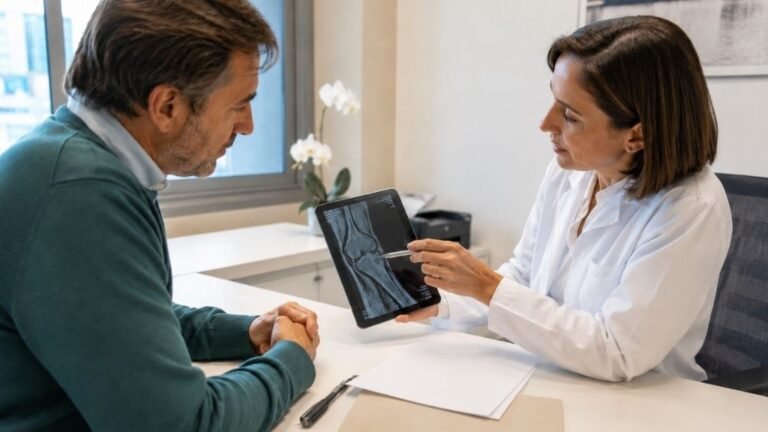
Orthopedische chirurgie is verreweg de meest voorkomende reden waarom Ierse patiënten voor behandeling naar het buitenland reizen. Velen kiezen voor Spanje om lange wachtlijsten te vermijden en toegang te krijgen tot geavanceerde revalidatieprogramma's.
- Heupvervangende operatieVoor patiënten die lijden aan artritis of ernstige heuppijn biedt een volledige of gedeeltelijke vervanging een sneller herstel en een betere mobiliteit.
- Knievervangende operatieeen van de meest gevraagde interventies, vooral voor degeneratieve gewrichtsaandoeningen en chronische pijn.
- Artroscopie en meniscusherstel: minimaal invasieve technieken om kraakbeen- of ligamentletsels te behandelen.
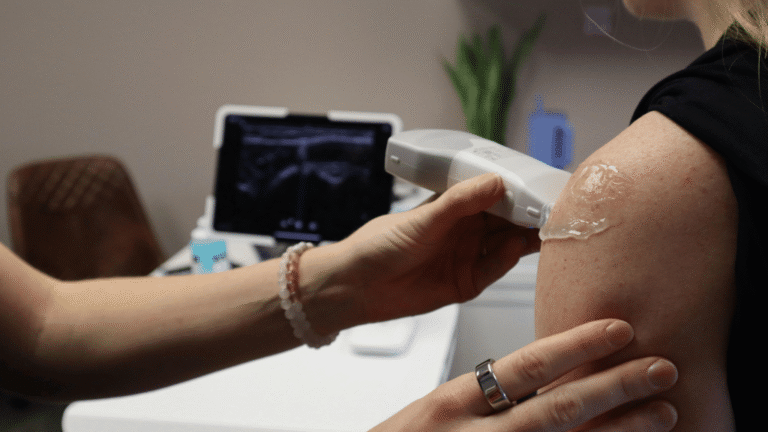
- Schouderoperatie: voor rotator cuff scheuren of gewrichtsinstabiliteit die de beweging beperkt.
- Spinale chirurgie en fusieUitgevoerd wanneer conservatieve behandelingen geen soelaas bieden bij chronische rugpijn of discusproblemen.
Oogheelkunde en oogzorg
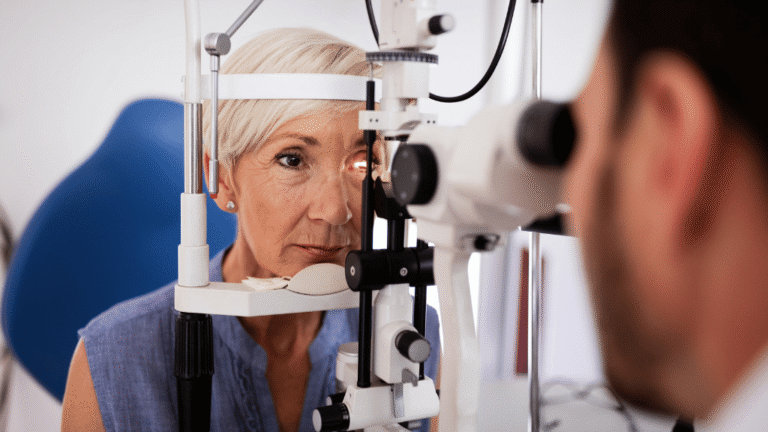
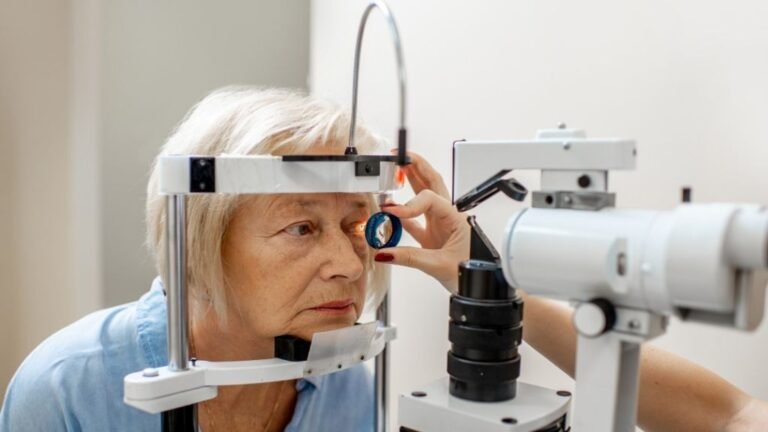
Oogoperaties zijn een andere belangrijke reden voor Ierse patiënten om voor behandeling naar het buitenland te gaan. Vooral staaroperaties zijn populair vanwege de lange wachttijden in het Ierse publieke systeem.
- StaaroperatieEen snelle, veilige procedure om de troebele lens te vervangen en het zicht te herstellen. Patiënten kiezen er vaak voor om Spanje binnen enkele weken te opereren in plaats van maanden.
- Refractieve lensruil en lasercorrectie: beschikbaar in geselecteerde ziekenhuizen voor geschikte kandidaten.
Cardiologie en vaatchirurgie
De hartafdelingen van Spanje trekken patiënten aan die tijdig moeten worden behandeld voor hart- of vaatziekten. Ziekenhuizen binnen het Ribera-netwerk bieden internationaal erkende faciliteiten en zeer gespecialiseerde hartteams.
- Angioplastiek (plaatsen van een stent): herstelt de bloedstroom in geblokkeerde slagaders via een minimaal invasieve procedure.
- CABG (Coronary Artery Bypass Grafting): chirurgische reconstructie van de coronaire bloedstroom in ernstige gevallen van coronaire hartziekte.
- Perifeer vaatlijden: voor circulatiestoornissen van de benen of halsslagaders.
Algemene en spijsverteringschirurgie
Veel Ierse patiënten reizen ook naar het buitenland voor algemene chirurgie of spijsverteringschirurgie als de wachtlijsten in eigen land lang zijn. Dit zijn routineprocedures die worden uitgevoerd in erkende ziekenhuizen met hoge veiligheidsnormen.
- Galblaasverwijdering (cholecystectomie) - laparoscopische techniek met korte hersteltijd.
- Hernia reparatie (lies of navelstreng) - met behulp van moderne mesh-technieken om de buikwand te verstevigen.
- Spataderchirurgie - voor chronische veneuze insufficiëntie of pijn in de benen, soms gecombineerd met vasculaire evaluatie.
Belangrijke opmerking: Behandelingen zoals orgaantransplantaties, klinische tests, langdurige verpleging en geneesmiddelentherapieën die niet openbaar worden verstrekt in Ierland, komen niet in aanmerking voor de richtlijn.
Bevestig altijd met de HSE of je specifieke behandeling gedekt is voordat je een reis- of boekingsbeslissing neemt.
Hoe het proces in het algemeen werkt
Hieronder volgt een vereenvoudigd overzicht van hoe patiënten uit Ierland geplande medische zorg in het buitenland meestal regelen. De stappen zijn alleen ter informatie - controleer altijd de exacte vereisten bij je nationale gezondheidsinstantie voordat je iets regelt.
Stap 1. Medische verwijzing
Voordat je op reis gaat, moet je worden doorverwezen voor behandeling door je huisarts of specialist. De verwijzing moet je aandoening en de benodigde zorg beschrijven en ondertekend zijn door je arts.
Stap 2. Poliklinisch consult
Een poliklinisch consult is vereist voor elke ziekenhuisopname of dagbehandeling. Voor een klinische behandeling moet het persoonlijk plaatsvinden; voor dagbehandeling kan het vaak persoonlijk, telefonisch of per video. Bewaar alle medische documentatie en ontvangstbewijzen.
Stap 3. Voorafgaande bevestiging (optioneel maar aanbevolen)
Bij sommige openbare gezondheidszorgstelsels kun je een bevestiging van geschiktheid aanvragen voordat je op reis gaat. Hoewel dit niet verplicht is, helpt het om ervoor te zorgen dat je behandeling en kosten aan de vergoedingscriteria voldoen.
Stap 4. Kies een erkend ziekenhuis in het buitenland
Selecteer een erkend ziekenhuis of kliniek binnen de EU/EER die de behandeling biedt die je nodig hebt. Controleer of de service gelijkwaardig is aan wat algemeen beschikbaar zou zijn in je eigen land.
Stap 5. Behandeling ontvangen en de provider betalen
Je betaalt de volledige kosten van je zorg rechtstreeks aan het ziekenhuis of de kliniek. Zorg ervoor dat je om gedetailleerde facturen en betalingsbewijzen vraagt, want deze zijn essentieel voor elke terugbetalingsprocedure.
Stap 6. Uw documentatie indienen
Na thuiskomst dien je je verwijsbrief, consultatieverslag, facturen en betalingsbewijs in bij je nationale gezondheidsinstantie om terugbetaling aan te vragen. Als je documenten in een andere taal zijn, kunnen beëdigde vertalingen nodig zijn.
Waarom veel Ierse patiënten voor Spanje kiezen
Spanje biedt een uitstekende combinatie van geavanceerde medische technologie, internationaal opgeleide specialisten en aanzienlijk kortere wachttijden in vergelijking met Ierland of het Verenigd Koninkrijk.
Veel Ierse patiënten vinden dat het regelen van een behandeling in Spanje eenvoudig is, omdat ziekenhuizen met internationale afdelingen ondersteuning bieden op het gebied van logistiek, documentatie en communicatie in het Engels. Spanje wordt vaak gekozen vanwege:
- Snelle toegang tot chirurgie: afspraken en procedures kunnen meestal binnen enkele weken worden ingepland.
- Betaalbare zorg: de prijzen zijn vaak lager dan in Noord-Europa.
- Moderne ziekenhuizen: zoals Ribera IMSKE Valencia, uitgerust met de modernste faciliteiten.
- Postoperatieve revalidatie: warm klimaat en speciale fysiotherapieprogramma's.
- Engelstalige assistentie: onze internationale afdeling ondersteunt je van aankomst tot herstel.
Dankzij de grensoverschrijdende EU-richtlijn kunnen Ierse inwoners tijdig medische zorg krijgen in Spanje en een aanvraag indienen bij de HSE voor terugbetaling. Hoewel het proces de juiste documentatie vereist, biedt het patiënten een veilige, gereguleerde route om sneller toegang te krijgen tot operaties, vooral voor orthopedie, cardiologie en oogheelkunde.
Ribera Care International helpt Ierse patiënten bij elke stap: ziekenhuizen selecteren, afspraken coördineren en ervoor zorgen dat alle documentatie voldoet aan de HSE-vereisten.
Als je een behandeling in Spanje overweegt, Neem contact op met ons Ribera Care Internationaal patiëntenteam.
Ter referentie: deze informatie is gebaseerd op officiële richtlijnen van de HSE. U kunt de officiële details hier bekijken: HSE - Soorten gezondheidszorg beschikbaar. Patiënten wordt geadviseerd om de meest actuele voorwaarden en dekking rechtstreeks met de HSE te bespreken voordat ze een beslissing nemen.
Veelgestelde vragen over de EU-richtlijn inzake grensoverschrijdende handel
Kan ik CBD gebruiken voor behandeling in het Verenigd Koninkrijk?
Nee. Volgens de HSE is de grensoverschrijdende richtlijn sinds 31 december 2020 niet langer van toepassing op het Verenigd Koninkrijk.
Worden reis en verblijf gedekt?
Nee. Alleen medische kosten komen in aanmerking voor terugbetaling. Patiënten moeten vluchten, hotels en aanverwante reiskosten zelf betalen.
Hoe begin ik met het plannen van een heup- of knieoperatie in Spanje met Ribera Care International?
Begin met het aanvragen van een verwijzing van je huisarts en bevestig je geschiktheid bij de HSE. Zodra je je documenten hebt, neem je contact op met ons team om je consult en operatie te coördineren: https://riberacareinternational.com/contact-us/
Hoeveel krijg ik vergoed?
Je kunt alleen terugbetaling krijgen tot de kosten van de gelijkwaardige behandeling in het Ierse openbare gezondheidszorgstelsel. De HSE berekent het uiteindelijke bedrag na beoordeling van je volledige aanvraag.