
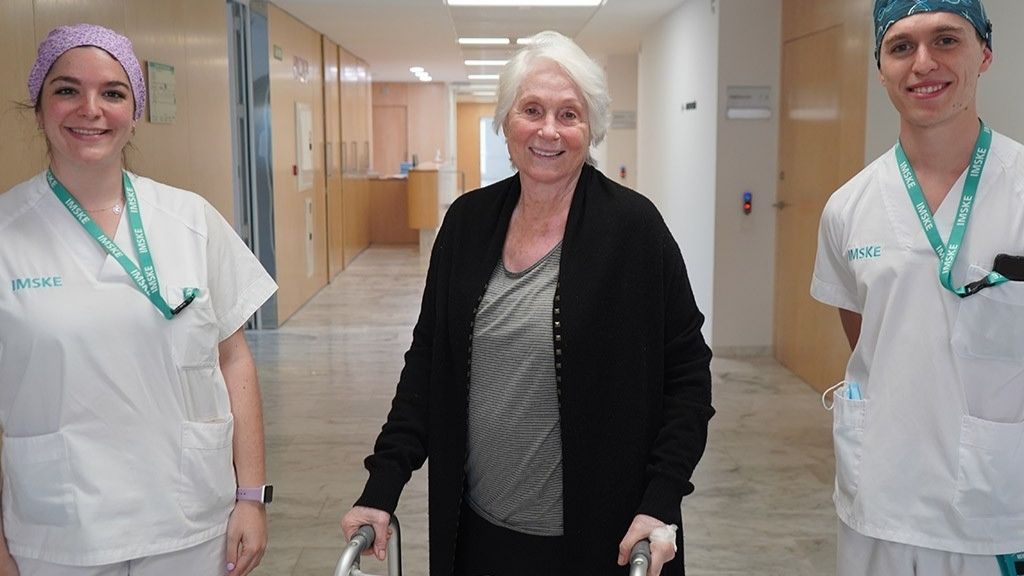
Orthopedische chirurgie in Spanje is een van de meest vertrouwde en toegankelijke opties geworden voor internationale patiënten die op zoek zijn naar gewrichtsvervanging. Met kortere wachttijden, moderne privéziekenhuizen en ervaren orthopedische chirurgen biedt Spanje een duidelijk en voorspelbaar traject voor mensen die lijden aan degeneratie van heup, knie of schouder. Veel patiënten die via Ribera Care International reizen, benadrukken het comfort van het proces, de heldere communicatie en de soepele coördinatie vanaf de eerste medische evaluatie tot aan het postoperatieve herstel.
Als chronische pijn, stijfheid of beperkte mobiliteit uw levenskwaliteit beïnvloeden, kan een gewrichtsvervangende operatie echte verlichting op lange termijn bieden. In dit artikel wordt alles uitgelegd wat patiënten moeten weten over orthopedische chirurgie in Spanje, inclusief diagnose, indicaties, chirurgische opties, herstel en praktische informatie voor wie een behandeling in het buitenland overweegt.
Waarom gewrichtsproblemen ontstaan en wanneer ze ernstig worden
Aandoeningen aan heup, knie en schouder ontstaan vaak geleidelijk. Kraakbeen slijt na verloop van tijd, wat leidt tot wrijving, ontsteking en progressieve stijfheid. De meest voorkomende oorzaak is artrose, maar ook andere factoren kunnen bijdragen:
- Eerdere verwondingen of breuken
- Aangeboren misvormingen
- Reumatoïde of inflammatoire artritis
- Avasculaire necrose (verlies van bloedtoevoer naar het bot)
- Veroudering in combinatie met repetitieve stress
Naarmate het gewricht verslechtert, nemen de symptomen meestal toe. Veel patiënten beschrijven:
- Aanhoudende pijn, zelfs in rust
- Verminderde mobiliteit en stijfheid
- Moeite met lopen, traplopen of de arm optillen
- Zwelling of instabiliteit van de gewrichten
- Mechanische sensaties zoals knarsen of vastgrijpen
Wanneer de pijn chronisch wordt en de dagelijkse activiteiten afnemen, is het tijd om een evaluatie door een specialist te overwegen.
Diagnose: hoe Spanje gewrichtsaandoeningen beoordeelt
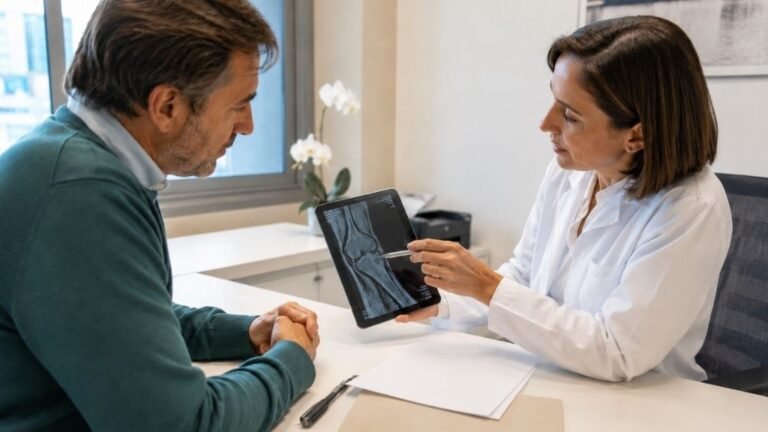
Een van de voordelen van orthopedische chirurgie in Spanje is het efficiënte diagnostische traject. Ribera Care International coördineert snelle afspraken zodat patiënten binnen enkele dagen, in plaats van maanden, antwoorden krijgen.
Een volledige evaluatie omvat meestal:
- Een gedetailleerd klinisch onderzoek om beweging, uitlijning en kracht te beoordelen
- Röntgenfoto's dragend gewicht om gewrichtsdegeneratie te bevestigen
- MRI-scans voor beoordeling van weke delen (ligamenten, rotator cuff, kraakbeen)
- CT-scans voor complexe heup- en knieafwijkingen
- Preoperatief bloedonderzoek en medische beoordeling
Deze gestructureerde aanpak zorgt ervoor dat het aanbevolen behandelplan - chirurgisch of conservatief - gebaseerd is op nauwkeurige beeldvorming en klinisch bewijs.
Wanneer wordt een gewrichtsvervangende operatie aanbevolen?
Gewrichtsvervanging is de beste optie als alle conservatieve behandelingen zijn uitgeput. Deze kunnen bestaan uit fysiotherapie, ontstekingsremmende medicatie, veranderingen in levensstijl of intra-articulaire injecties. Chirurgie is normaal gesproken geïndiceerd wanneer:
- Pijn houdt aan ondanks alle niet-chirurgische maatregelen
- Beeldvorming toont vergevorderde degeneratie
- Gewrichtsvervorming wordt ernstiger
- De onafhankelijkheid in dagelijkse activiteiten wordt aangetast
- Mobiliteit gaat geleidelijk achteruit
Patiënten melden vaak dat ze een operatie in hun eigen land maanden of jaren hebben uitgesteld vanwege de lange wachtlijsten. In Spanje kunnen patiënten dankzij de mogelijkheid om een operatie zonder uitstel te plannen, het juiste moment kiezen om een behandeling te ondergaan.
Gebruikte chirurgische technieken in Spanje
Moderne orthopedische chirurgie in Spanje integreert geavanceerde, patiëntvriendelijke technieken die gericht zijn op het verbeteren van het herstel en de resultaten op lange termijn.
Heupprothese Chirurgie
De meeste ziekenhuizen bieden:
- Minimaal invasieve benaderingen om spierweefsel te behouden
- Cementloze implantaten voor jongere of actievere patiënten
- Gecementeerde implantaten wanneer de botkwaliteit dit vereist
- Protocollen voor kort verblijf om mobiliteit te versnellen
Knieprothese Chirurgie
Afhankelijk van de toestand van het gewricht kunnen specialisten aanraden:
- Volledige knieprothese-operatie als alle compartimenten zijn aangedaan
- Gedeeltelijke knieprothese voor plaatselijke schade
- Computergestuurde navigatie om de plaatsing van implantaten te optimaliseren
- Protocollen voor vroege mobilisatie
Schoudervervanging Chirurgie
Spanje biedt twee belangrijke chirurgische benaderingen:
- Anatomische schoudervervanging voor patiënten met intacte rotatormanchetten
- Omgekeerde schoudervervanging wanneer de rotator-cuff aanzienlijk beschadigd is
Ribera Care International werkt met orthopedische specialisten met een hoog volume, zodat patiënten door chirurgen geleide, persoonlijke behandelplannen krijgen.
Voordelen en risico's van orthopedische chirurgie
Gewrichtsvervanging levert consistent uitstekende functionele resultaten op. Patiënten melden vaak:
- Vermindering of eliminatie van chronische pijn
- Herstelde mobiliteit en onafhankelijkheid
- Betere slaapkwaliteit
- Verbeterd vermogen om dagelijkse activiteiten uit te voeren
- Terugkeer naar hobby's, werk en trainingsroutines
Geen enkele operatie is zonder risico en patiënten moeten zich bewust zijn van mogelijke complicaties zoals infectie, stijfheid, bloedstolsels, slijtage van het implantaat of dislocatie. Spaanse privéziekenhuizen volgen echter strikte veiligheidsprotocollen en internationale patiënten krijgen duidelijke richtlijnen over hoe ze deze risico's zowel voor als na de operatie kunnen beperken.
Herstel na heup-, knie- en schoudervervanging
Het herstel varieert per gewricht, maar Spanje staat bekend om zijn gestructureerde revalidatieprogramma's en vroege mobilisatiestrategieën.
Heupprothese herstel
Patiënten meestal:
- Binnen de eerste 24 uur beginnen met lopen
- Vooruitgang naar ondersteunde mobiliteit in de komende dagen
- Volg specifieke oefeningen om de heupspieren te versterken
- Terugkeer naar normale activiteiten binnen enkele weken
Herstel van een knieprothese
Revalidatie is intensiever en richt zich op:
- Vroege buig- en strekoefeningen
- Versterken van quadriceps en hamstrings
- Geleidelijke toename in loopafstand
- Geleidelijke terugkeer naar activiteiten met weinig impact
Schouderprothese herstel
Het herstelproces omvat:
- Een korte periode van immobilisatie
- Passieve beweging onder begeleiding van fysiotherapie
- Geleidelijke introductie van actieve beweging
- Versterking over meerdere maanden
Veel patiënten verlengen hun verblijf in Spanje om onder professionele begeleiding verder te revalideren voordat ze naar huis terugkeren.
Hoeveel kost orthopedische chirurgie in Spanje?
Hoewel de prijzen kunnen variëren afhankelijk van de complexiteit van de ingreep en het ziekenhuis, is orthopedische chirurgie in Spanje over het algemeen betaalbaarder dan in Noord-Europa of de VS. Factoren die de kosten beïnvloeden zijn onder andere
- Type implantaat
- Duur van het ziekenhuisverblijf
- Behoefte aan fysiotherapie
- Medische beeldvorming en beoordelingen
Patiënten waarderen ook de transparante prijzen die Ribera Care International biedt, waardoor ze het medische traject duidelijk kunnen plannen.
Reizen naar Spanje voor orthopedische chirurgie
Spanje is een van de meest geschikte bestemmingen voor medische reizen. Internationale patiënten profiteren van:
- Snelle toegang tot specialisten
- Engels sprekende medische teams
- Moderne privéziekenhuizen met internationale afdelingen
- Mediterraan klimaat ideaal voor postoperatieve rust
- Efficiënte coördinatie tussen diagnostiek, chirurgie en herstel
Ribera Care International begeleidt patiënten tijdens het hele traject, waaronder het inzien van medische dossiers, het maken van afspraken, coördinatie met het ziekenhuis en postoperatieve follow-up.
HSE grensoverschrijdende richtlijn (patiënten uit Ierland)
Veel patiënten uit Ierland kiezen voor Spanje onder de grensoverschrijdende richtlijn van de HSE, waardoor ze een vergoeding kunnen krijgen voor medische behandelingen binnen de Europese Unie. Dit traject is vooral aantrekkelijk voor mensen die thuis op lange orthopedische wachtlijsten staan. Ribera Care International biedt begeleiding bij de vereiste documentatie, de verwachte kosten en de vergoedingsprocedure, zodat patiënten zonder onnodige vertragingen van dit programma kunnen profiteren.
FAQs orthopedische chirurgie in Spanje
1. Is orthopedische chirurgie in Spanje veilig voor internationale patiënten?
Ja. Spanje heeft hoge medische standaarden, moderne technologie en ervaren orthopedische chirurgen die elk jaar zowel lokale als internationale patiënten behandelen.
2. Hoe lang moet ik in Spanje blijven na een heup-, knie- of schouderoperatie?
De meeste patiënten blijven één tot twee weken, afhankelijk van de operatie en de revalidatiebehoeften.
3. Zijn er minimaal invasieve technieken beschikbaar?
Ja, veel ziekenhuizen gebruiken minimaal invasieve benaderingen, vooral voor heup- en knieoperaties, om weefselschade te beperken en sneller herstel te bevorderen.
4. Kan ik kort na de operatie terugkeren naar mijn eigen land?
Patiënten kunnen meestal naar huis vliegen zodra hun chirurg bevestigt dat ze veilig mobiel zijn. Ribera Care International biedt advies over de timing en het vliegklaar maken.
5. Hoe kan ik orthopedische chirurgie bij Ribera Care International regelen?
Patiënten kunnen medische rapporten opsturen, een online consult aanvragen en een behandelplan op maat ontvangen. De coördinatie verloopt rechtstreeks via het internationale patiëntenteam.
Als u een orthopedische ingreep in Spanje overweegt en een persoonlijk behandelplan wilt, kunt u contact opnemen met Ribera Care International via ons contactformulier.