
Leven met ischias kan echt slopend zijn. De scherpe pijn die van je onderrug naar je been loopt, kan eenvoudige bewegingen: lopen, zitten en zelfs rusten, bijna onmogelijk maken. Voor velen wordt deze aandoening een constante metgezel die het werk, de slaap en de algehele kwaliteit van leven beïnvloedt. Het goede nieuws is dat herstel absoluut mogelijk is.
Met toegang tot geavanceerde medische technologie, ervaren orthopedische teams en een patiëntgerichte aanpak, Ribera Zorginstelling biedt een aantal van de meest vertrouwde ischias behandeling in Spanje. Of je nu op zoek bent naar een conservatieve therapie of een operatie overweegt, onze ziekenhuizen in Valencia, Madrid en Cartagena bieden zorg van wereldklasse die de mobiliteit herstelt en de pijn op een veilige manier verlicht.
Wat is ischias en waarom komt het voor?
Ischias is geen ziekte op zich, maar eerder een symptoom van een onderliggende aandoening van de wervelkolom. Het treedt op wanneer de ischiaszenuw, de langste zenuw in het menselijk lichaam, raakt geïrriteerd of wordt gecomprimeerd. Deze zenuw begint in de lage wervelkolom, loopt door de heupen en billen en strekt zich uit over elk been.
Er zijn verschillende medische redenen die deze compressie kunnen veroorzaken. De meest voorkomende zijn structurele problemen in de wervelkolom en degeneratieve aandoeningen die met de leeftijd ontstaan.
Hier zijn enkele van de belangrijkste oorzaken:
- Hernia of hernia: Wanneer het zachte kussen tussen de wervels uitpuilt of scheurt, kan het op de heupzenuw drukken.
- Spinale stenose: Een vernauwing van het wervelkanaal die druk uitoefent op de zenuwwortels.
- Degeneratieve discusziekte of botsporen: Leeftijdgerelateerde veranderingen die wrijving en ontsteking rond de zenuwen veroorzaken.
- Spierspanning en een slechte houding: Lang zitten of zware voorwerpen verkeerd optillen kan de klachten verergeren.
Hoewel ischias plotseling kan beginnen, vooral na een fysieke inspanning, kan het zich ook geleidelijk ontwikkelen. Als het niet behandeld wordt, kan het chronisch worden en uw mobiliteit blijvend beperken.
De symptomen van ischias herkennen
Ischias treft meestal één kant van het lichaam en de intensiteit kan variëren van een licht ongemak tot een hevige, stekende pijn. Het pijnpatroon wordt vaak beschreven als uitstralend of brandend, beginnend in de onderrug en lopend langs het been, soms zelfs tot aan de voet.
Voordat je behandeling zoekt, is het belangrijk om de belangrijkste waarschuwingssignalen te herkennen die kunnen duiden op zenuwcompressie:
- Aanhoudende pijn in de onderrug die uitstraalt naar het been.
- Tintelingen, gevoelloosheid of zwakte in een been of voet.
- Pijn die verergert bij lang zitten of staan.
- Scherpe, schietende pijn bij hoesten of niezen.
- Moeite met buigen of normaal lopen.
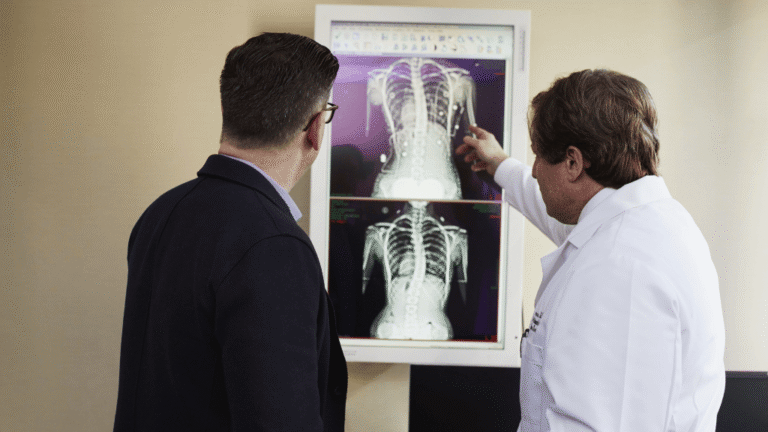
Als deze symptomen langer dan een paar weken aanhouden of het dagelijks leven beginnen te verstoren, wordt een specialist in ischiasbehandeling in Spanje moet je zaak evalueren.
Niet-chirurgische ischias Behandelopties
De meeste patiënten met ischias-symptomen herstellen zonder dat een chirurgische ingreep nodig is. Het belangrijkste doel van conservatieve behandeling is het verminderen van ontstekingen en het verbeteren van mobiliteit en het identificeren van de oorspronkelijke bron van zenuwcompressie. Ribera Care International biedt patiënten multidisciplinaire revalidatieprogramma's die fysiotherapie, medicatie en veranderingen in levensstijl omvatten onder begeleiding van orthopedische en revalidatiespecialisten.
Fysiotherapie en beweging
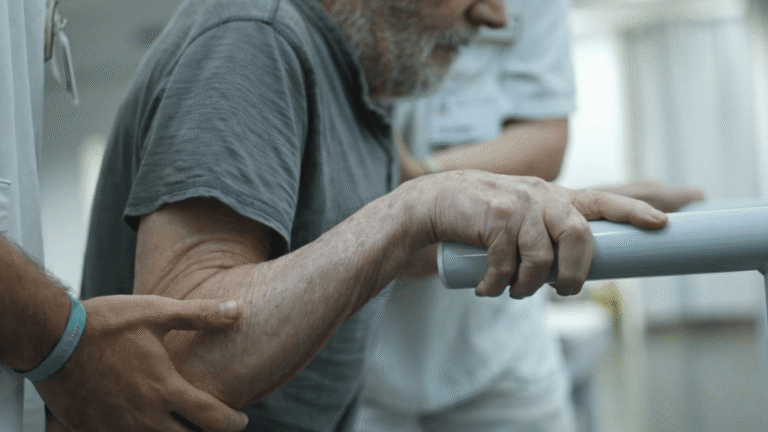
Fysiotherapie voor ischias is een van de meest effectieve niet-invasieve oplossingen. Het richt zich op het versterken van de spieren die de wervelkolom ondersteunen en het verbeteren van de flexibiliteit in de onderrug en heupen. Een gespecialiseerde fysiotherapeut ontwerpt een persoonlijk programma dat rekoefeningen, houdingscorrectie, en oefeningen voor verlichting van ischias.
Regelmatige fysiotherapeutische behandeling helpt patiënten de pijn te verlichten en tegelijkertijd hun wervelkolom te beschermen tegen toekomstige blessures door een betere positionering van de wervelkolom en betere bewegingspatronen. De behandelingsaanpak werkt als een op zichzelf staande oplossing die patiënten naar volledig herstel leidt.
Medicatie en pijnbestrijding
Bij acute of aanhoudende pijn kunnen medicijnen worden voorgeschreven om ontsteking en zenuwirritatie onder controle te houden. Typische behandelingen zijn onder andere:
- Ontstekingsremmers (NSAID's) om zwelling en pijn te verminderen.
- Spierverslappers om spanning en spasmen te verlichten.
- Zenuwpijnmedicatie (zoals gabapentine of pregabaline) voor chronische gevallen.
- Epidurale injecties voor ischias om corticosteroïden rechtstreeks aan de aangetaste zenuwwortel toe te dienen.
Deze opties helpen patiënten de pijn te beheersen en zonder ongemak verder te gaan met de revalidatie. Ze moeten echter altijd worden begeleid door een specialist om bijwerkingen op lange termijn te voorkomen.
Leefstijl en ergonomische aanpassingen
Je dagelijkse gewoonten kunnen ischias symptomen verergeren of verlichten. Kleine maar consequente veranderingen kunnen een grote invloed hebben op de pijnbestrijding. Dit omvat het aanpassen van je houding, het behouden van een gezond gewicht en het vermijden van langdurig zitten.
Eenvoudige maatregelen die vaak een verschil maken, zijn onder andere:
- Ergonomische stoelen en lendensteunen kiezen.
- Regelmatig pauzes nemen om te staan en te strekken.
- Slapen op een stevige, ondersteunende matras.
- Lichaamsbeweging met weinig impact, zoals wandelen of zwemmen.
Deze acties, in combinatie met fysiotherapie, kunnen herhaling helpen voorkomen en je wervelkolom jarenlang gezond houden.
Wanneer een operatie voor ischias te overwegen
Soms luistert pijn niet naar therapie. Als ischias langer dan een paar maanden duurt of invaliderend wordt, kan een operatie de beste kans op blijvende verlichting bieden. Het doel is eenvoudig: de druk op de zenuw wegnemen en uw lichaam de ruimte geven die het nodig heeft om te genezen.
Je hebt misschien het volgende nodig ischiaschirurgie in Spanje als:
- De pijn blijft ernstig ondanks conservatieve behandeling gedurende 3-6 maanden.
- Er is aanzienlijke zwakte of gevoelloosheid in het been.
- De patiënt heeft moeite met lopen of staan.
- Er zijn rode-vlag symptomen zoals verlies van controle over blaas of darmen.
Chirurgische procedures voor ischias
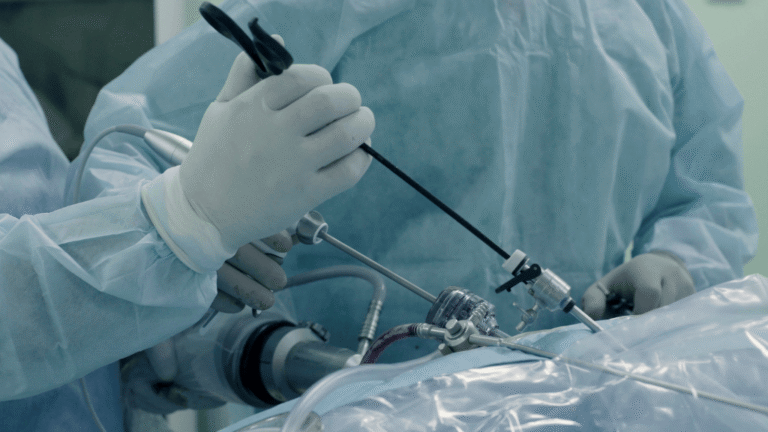
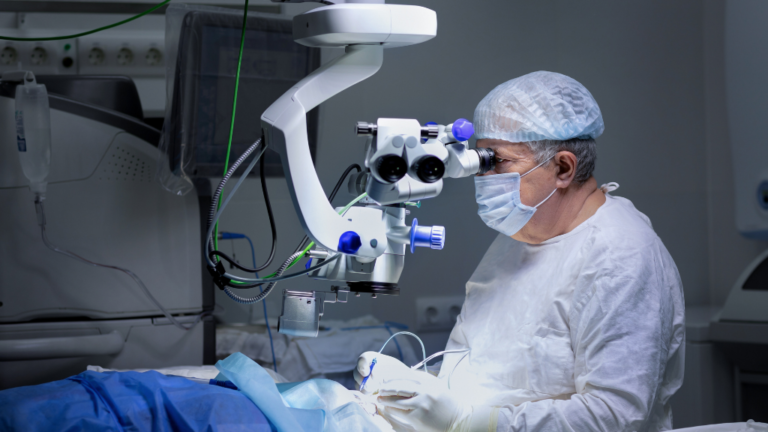
Op Ribera ziekenhuizen, Onze orthopedische en neurochirurgische teams voeren met precisie en zorg geavanceerde procedures uit. Deze operaties zijn minimaal invasief, wat sneller herstel en kleinere littekens betekent. De belangrijkste procedures zijn:
- Microdiscectomie voor ischias, Verwijderen van het deel van een hernia dat op de zenuw drukt.
- Lumbale decompressiechirurgie, Druk verlichten die wordt veroorzaakt door wervelkanaalvernauwing.
- Laminectomie en foraminotomie, Het wervelkanaal verwijden zodat zenuwen weer vrij kunnen bewegen.
Voor veel patiënten is de verandering direct merkbaar: de pijn die ooit hun leven beheerste, verdwijnt gewoon.
Herstel en revalidatie na ischiasoperatie
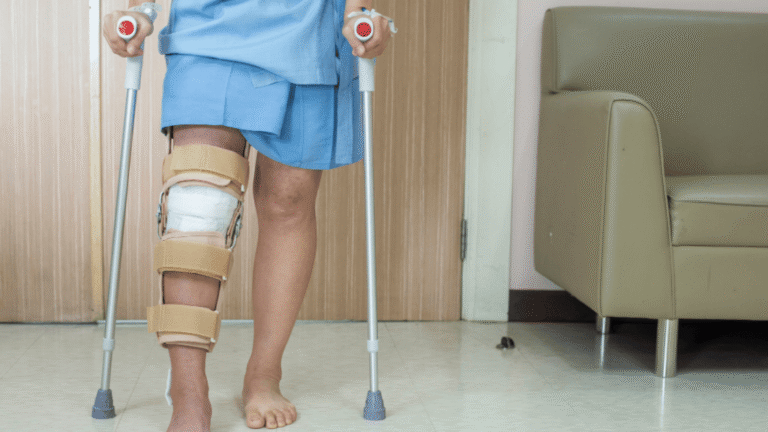
Herstel is geen eindstreep. Het is een proces. Na een ischiaschirurgie in Spanje, De meeste patiënten merken direct verbetering, maar volledige genezing kost tijd. Fysiotherapie wordt na de operatie voortgezet om kracht en flexibiliteit weer op te bouwen.
Op Ribera Zorginstelling, Elke patiënt krijgt een persoonlijk revalidatieplan. U werkt nauw samen met een fysiotherapeut die u bij elke stap begeleidt - van uw eerste wandeling tot uw eerste pijnvrije dag. Uw coördinator regelt al het andere: ziekenhuisafspraken, transfers, accommodatie en documentatie voor uw verzekering.
Het doel is simpel: je herstel zo gemakkelijk mogelijk maken, vanaf het eerste consult tot je terugkeer naar huis.
Waarom Spanje kiezen voor ischiasbehandeling
Spanje heeft een reputatie opgebouwd als een van de beste bestemmingen voor orthopedische en wervelkolomzorg in Europa. Patiënten uit het Verenigd Koninkrijk, Ierland en de rest van de EU kiezen ervoor om hierheen te reizen, niet alleen vanwege de kortere wachttijden, maar ook vanwege de uitzonderlijke medische normen.
Door te kiezen voor Ribera Zorginstelling, krijg je toegang tot:
- Toonaangevend orthopedische chirurgen voor ischias en complexe aandoeningen aan de wervelkolom.
- Geavanceerde technologie voor minimaal invasieve ischiaschirurgie.
- Engels sprekend medisch personeel getraind in internationale patiëntenzorg.
- Betaalbare en transparante kosten, zonder verborgen kosten.
- Herstelprogramma's ontworpen om medische uitmuntendheid en comfort te combineren.
Of je nu herstellende bent van een hernia of chronische pijn in je onderrug, Orthopedische ziekenhuizen in Spanje veilige, efficiënte en patiëntgerichte behandelplannen bieden.
Andere populaire orthopedische ingrepen bij Ribera Care International
Veel patiënten die naar Ribera komen voor ischias behandeling in Spanje ook oplossingen zoeken voor gewrichtspijn en degeneratieve aandoeningen. Onze ziekenhuizen zijn gespecialiseerd in een reeks orthopedische procedures die de beweging en levenskwaliteit herstellen:
- Heupprothese Chirurgie: volledige mobiliteit terugkrijgen en heuppijn elimineren met moderne protheses.
- Knieprothese: herstel van gewrichtsstabiliteit en geniet weer van een actief leven.
- Schouderchirurgie: pezen, ligamenten of de rotatormanchet met precisie.
Meer informatie over onze Afdeling Orthopedie en Traumatologie en ontdek waarom zoveel internationale patiënten vertrouwen op de Ribera ziekenhuizen voor hun orthopedische zorg.
Ischias kan overweldigend zijn, maar met de juiste behandeling en begeleiding ligt herstel binnen handbereik. Of u nu kiest voor fysiotherapie voor ischias of gevorderd minimaal invasieve chirurgie, Ribera Zorginstelling zorgt ervoor dat elke patiënt uitzonderlijke zorg, persoonlijke aandacht en volledige ondersteuning krijgt tijdens zijn hele traject.
Laat Spanje de plek zijn waar je pijn ophoudt en je beweging weer begint.
Veelgestelde vragen over ischias behandeling in Spanje
Wanneer moet ik een operatie voor ischias overwegen?
Als je enkele maanden fysiotherapie en medicatie hebt geprobeerd zonder verbetering, of als je spierzwakte of gevoelloosheid ervaart, kan je arts een operatie voorstellen.
Hoe lang duurt het herstel na een ischiasoperatie in Spanje?
De meeste patiënten kunnen binnen 24 uur weer lopen en na 4-6 weken weer lichte activiteiten ondernemen, afhankelijk van het type ingreep en de algehele gezondheid.
Is ischiasbehandeling in Spanje betaalbaarder dan in andere landen?
Ja. Spanje biedt gezondheidszorg van wereldklasse tegen aanzienlijk lagere kosten in vergelijking met het Verenigd Koninkrijk of Noord-Europa, met transparante prijzen en zonder wachtlijsten.
Helpt Ribera Care International met reis- en verblijfskosten?
Absoluut. Ons internationale coördinatieteam regelt transfers, hotelovernachtingen en medische documentatie, zodat jij je kunt richten op je herstel.
Hoe kan ik een consult boeken voor ischiasbehandeling in Spanje?
Neem gewoon contact op met onze internationale patiëntenafdeling van Ribera Care International via de contactpagina om een persoonlijke beoordeling en offerte te ontvangen.