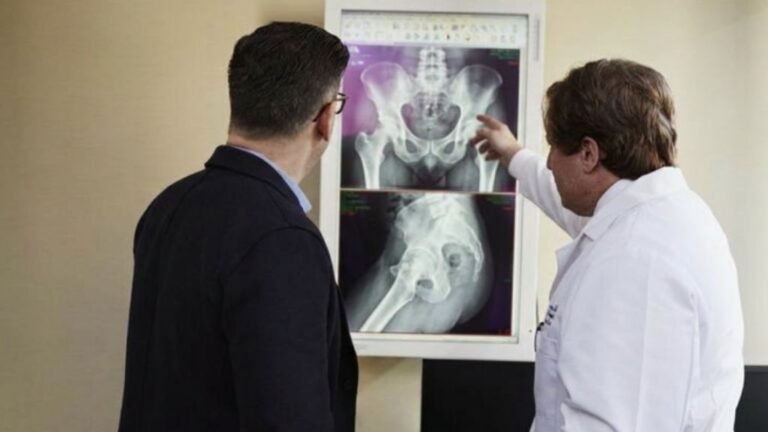

After cataract surgery, patients need to protect the operated eye while it heals and follow the instructions provided by the ophthalmology team. Although cataract surgery is usually a short procedure and many patients recover quickly, the first days and weeks after surgery are important for reducing the risk of irritation, infection or delayed healing.
For international patients planning cataract surgery in Spain, knowing what not to do after surgery can help prepare the recovery period more safely. Activities such as driving, drinking alcohol, exercising, swimming, using screens or touching the eye should be discussed with the specialist, because recommendations may vary depending on the patient’s eye health, anesthesia, lens type and surgical recovery.
This guide is intended to help patients understand common postoperative precautions after cataract surgery and prepare better questions for their ophthalmology consultation.
Răspuns rapid: After cataract surgery, patients should not drive immediately, rub the eye, swim, use eye makeup, lift heavy weights or do strenuous exercise until the ophthalmologist confirms it is safe. Alcohol may need to be avoided for at least the first 24 hours, especially if sedation was used.
Screen use is usually less risky than swimming or heavy exercise, but patients should rest their eyes and stop if they notice discomfort, dryness or blurred vision.
Spuneți-ne despre cazul dumneavoastră
Why are restrictions important after cataract surgery?
Restrictions after cataract surgery are important because the eye needs time to heal after the cloudy natural lens has been removed and replaced with an artificial intraocular lens. During the first stage of recovery, the eye may be more sensitive to irritation, pressure, infection and accidental injury.
Most patients recover well after cataract surgery, but recovery is still a medical process. The patient must use prescribed eye drops correctly, protect the eye from contamination and attend follow-up appointments as recommended.
Patients who want to understand the surgical process can also read more about cataract surgery explained şi what to expect after cataract surgery.
What should you avoid immediately after cataract surgery?
Immediately after cataract surgery, patients should avoid driving, rubbing the eye, touching the eye with unwashed hands and doing activities that could expose the eye to dust, sweat, water or trauma. The first 24 to 48 hours are especially important because vision may still be blurry and the eye may feel sensitive.
The ophthalmology team may provide an eye shield, prescribed drops and written instructions. These instructions should always take priority over general online advice.
Do not rub the eye
Rubbing can irritate the eye and may interfere with healing during the early recovery period.
Do not drive home
Patients should not drive immediately after surgery and should arrange transport in advance.
Do not skip eye drops
Prescribed drops help support healing and reduce the risk of inflammation or infection.
Can you drive after cataract surgery?
Patients should not drive immediately after cataract surgery. Vision may be blurry, the eye may be dilated or sensitive to light, and anesthesia or sedation can affect alertness during the first hours after the procedure.
Driving should only resume when the patient feels comfortable, vision is clear enough and the ophthalmologist confirms that it is safe. Legal driving requirements may also apply depending on the patient’s country of residence, especially for patients travelling back home after surgery abroad.
Night driving may require extra caution because some patients notice glare, halos, light sensitivity or fluctuating vision during the early recovery period. Patients should avoid driving if they do not feel visually confident.
Can you drink alcohol after cataract surgery?
Alcohol should usually be avoided immediately after cataract surgery, especially during the first 24 hours if sedation or anesthesia was used. Alcohol can affect coordination, hydration, medication tolerance and the ability to follow postoperative instructions carefully.
Patients should also ask whether alcohol is compatible with any medication or eye drops prescribed after surgery. If the patient is taking pain medication, antibiotics, anti-inflammatory medication or medication for another health condition, alcohol may not be advisable.
For international patients, it is better to keep the first days after surgery calm and simple: rest, hydrate well, use drops as prescribed and avoid anything that could make recovery less predictable.
Can you exercise after cataract surgery?
Patients should avoid strenuous exercise, heavy lifting and activities that increase pressure or risk of trauma to the eye during the early recovery period. Gentle walking may be possible sooner, but intense training should wait until the ophthalmologist gives permission.
Exercise can increase sweating, eye irritation and the risk of accidental contact with the eye. Activities such as running, gym workouts, weightlifting, cycling, contact sports, yoga inversions or heavy housework may need to be delayed.
| Activity | General recommendation | Why caution is needed |
|---|---|---|
| Walking | Often resumed earlier if the patient feels well. | Low impact, but patients should avoid dust, wind and falls. |
| Gym training | Usually delayed until medical approval. | Sweat, strain and pressure may irritate the eye. |
| Heavy lifting | Should be avoided during early recovery. | Straining may increase pressure and discomfort. |
| Swimming | Usually avoided until the eye has healed and the doctor confirms it is safe. | Pool, sea or lake water may increase infection risk. |
| Contact sports | Should be avoided until cleared by the specialist. | Direct trauma to the eye can affect healing. |
Can you use screens after cataract surgery?
Screen use is usually not as risky as swimming, heavy lifting or rubbing the eye, but patients should avoid prolonged screen time if it causes dryness, eye strain, discomfort or blurred vision. The eye may feel tired more easily during the first days after surgery.
Patients can usually return to light screen use gradually, depending on comfort and medical advice. Taking regular breaks, blinking often and following eye drop instructions can help reduce irritation.
If screen use causes pain, worsening redness, increased light sensitivity or a noticeable decrease in vision, the patient should stop and contact the ophthalmology team.
Can you read after cataract surgery?
Reading may be resumed gradually when the patient feels comfortable, but vision can fluctuate during the early recovery period. Some patients may notice that their old glasses no longer work well after the operation.
The final glasses prescription is usually assessed after the eye has stabilized. Patients who have had premium intraocular lenses, such as multifocal or trifocal lenses, may also need time to adapt to their new visual range.
Patients comparing lens options may find this guide useful: monofocal vs multifocal vs trifocal lens.
Can you shower or wash your face after cataract surgery?
Patients should be careful when showering or washing the face after cataract surgery because water, soap or shampoo should not enter the operated eye. The eye should not be rubbed or pressed while cleaning the face.
The medical team will explain when and how the patient can wash safely. In the first days, it may be better to clean the face gently with a damp cloth and avoid direct water spray near the eye.
Can you wear makeup after cataract surgery?
Eye makeup should usually be avoided during the early recovery period because makeup particles, brushes and applicators can increase irritation or contamination risk. Mascara, eyeliner and eyeshadow should not be used until the ophthalmologist confirms it is safe.
Patients should also avoid sharing makeup or using old products around the eyes after surgery. Once makeup is allowed again, clean products and careful application are important.
Can you fly after cataract surgery?
Flying after cataract surgery may be possible in many cases, but international patients should confirm travel timing with the ophthalmologist before booking flights. The medical team may want to check the eye after surgery before the patient returns home.
Patients travelling to Spain for cataract surgery should plan enough time for the procedure, immediate recovery and any recommended follow-up appointment. Travel plans should also consider vision comfort, medication schedules and access to care if symptoms change after returning home.
What symptoms should not be ignored after cataract surgery?
Some mild discomfort, watering, scratchiness or blurred vision can be common in the early stage, but certain symptoms should not be ignored. Patients should contact the medical team urgently if symptoms are severe, worsening or unusual.
Seek urgent medical advice if you notice:
- Severe eye pain.
- Sudden loss or worsening of vision.
- Increasing redness.
- Flashes of light or many new floaters.
- Discharge from the eye.
- Nausea or headache with eye pain.
- Symptoms that are getting worse instead of improving.
What should international patients plan before cataract surgery in Spain?
International patients should plan transport, accommodation, recovery time and follow-up before cataract surgery in Spain. They should not assume they can drive, work normally or travel immediately after the procedure.
Before travelling, patients should ask the medical team about eye drops, activity restrictions, follow-up appointments, lens options and when it may be safe to fly home. Patients should also bring relevant medical documents and eye examination results.
Patients can read more about what medical documents are needed before travelling to Spain for surgery or request a a doua opinie medicală before making a decision.
Cataract surgery in Spain with Ribera Care International
Ribera Care International helps international patients coordinate private cataract surgery in Spain, from initial case review to hospital planning and postoperative guidance. The team can help patients understand what information to send, which questions to ask and what recovery considerations to plan before travelling.
Patients can also explore Spitalele Ribera din Spania or contact the international team directly through Ribera Care International.
Ask about cataract surgery recovery in Spain
Send us your medical reports and eye test results. Ribera Care International will review your case and help you understand your cataract surgery options, recovery recommendations and travel planning in Spain.
FAQs about what not to do after cataract surgery
Can I drive after cataract surgery?
Can I use my phone or computer after cataract surgery?
Can I drink alcohol after cataract surgery?
Can I exercise after cataract surgery?
Can I watch TV after cataract surgery?
Can I shower after cataract surgery?
Can I swim after cataract surgery?
Can I rub my eye after cataract surgery?
Pot purta machiaj după operația de cataractă?
*This article is for informational purposes and is intended to help patients understand common postoperative precautions after cataract surgery before discussing their recovery plan with an ophthalmologist.