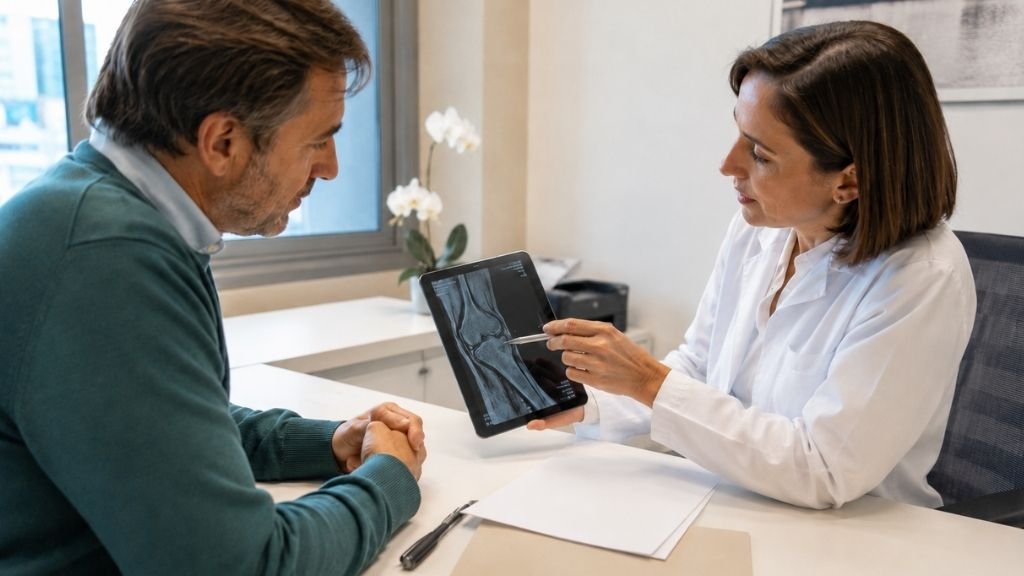
For international patients planning private surgery in Spain, preparing the right medical documents before travelling is one of the most important steps. These documents help the medical team understand the patient’s diagnosis, assess whether surgery is appropriate and prepare a personalized treatment plan before the patient arrives in Spain.
At Ribera Care International, patients can send their medical reports, imaging tests and relevant health information before travelling. This allows the team to review the case, coordinate the appropriate specialist and provide clearer information about the proposed surgery, hospital care and recovery pathway.
Réponse rapide : Before travelling to Spain for surgery, international patients should usually prepare their medical reports, imaging tests, diagnosis, medication list, allergy information, previous surgery history and any recent test results related to their condition.
The exact documents needed depend on the type of surgery, the patient’s medical condition and the specialist’s assessment.
Why are medical documents important before surgery abroad?
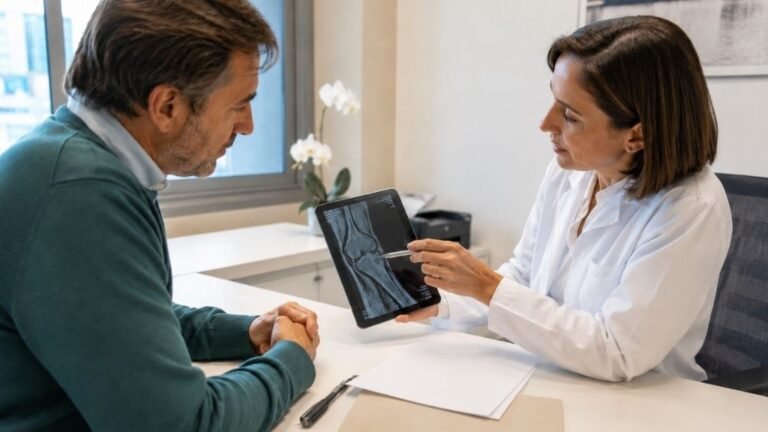
Medical documents are important because they allow the hospital team to evaluate the patient’s case before travel. For patients considering surgery abroad, this early review can help avoid unnecessary trips, clarify whether surgery may be appropriate and identify any additional tests that may be needed.
When patients send complete medical information in advance, the medical team can better understand the diagnosis, symptoms, previous treatments and possible risk factors. This is especially useful for planned procedures such as Chirurgie de remplacement de la hanche en Espagne, opération de prothèse du genou en Espagne, spinal surgery, general surgery, urology, ophthalmology or other private treatments.
Medical documentation also helps the international patient coordination team prepare a more realistic treatment pathway, including specialist review, hospital planning, estimated length of stay and recovery considerations.
What medical documents should you prepare before travelling to Spain for surgery?
The documents required may vary depending on the surgery, but most international patients should prepare a clear and complete medical file. This file should help the specialist understand the patient’s current condition and previous medical history.
Medical reports
Reports from your specialist help explain the diagnosis, symptoms, previous treatments and recommended next steps.
Imaging tests
X-rays, MRI scans, CT scans or ultrasound images can help the specialist assess the affected area.
Liste des médicaments
Current medication, blood thinners, allergies and chronic treatments should be clearly listed before surgery.
Essential documents for most international surgery patients
Most patients should send documents that describe their diagnosis, current symptoms and previous treatments. The aim is to provide enough information for the medical team to review the case safely and prepare the next steps.
Parmi les documents utiles, on peut citer :
- Medical reports from your current doctor or specialist.
- Current diagnosis and reason for requesting surgery.
- Recent imaging tests such as X-rays, MRI scans, CT scans or ultrasound images.
- Blood test results, if available.
- List of current medications and doses.
- Information about allergies or adverse reactions to medication.
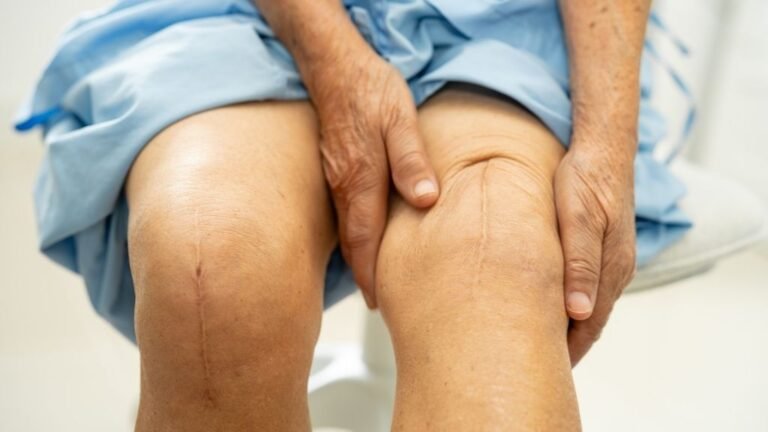
- Previous surgery reports, if relevant.
- Hospital discharge summaries from previous admissions.
- Information about chronic conditions such as diabetes, heart disease or respiratory disease.
- Description of symptoms, pain level, mobility limitations or daily difficulties.
- Dates de voyage souhaitées, si elles sont déjà connues.
Important : Patients should not stop or change medication before surgery unless a doctor specifically tells them to do so.
The medical team will review the medication list and provide instructions if any treatment needs special management before the procedure.
Imaging tests: X-rays, MRI scans and CT scans
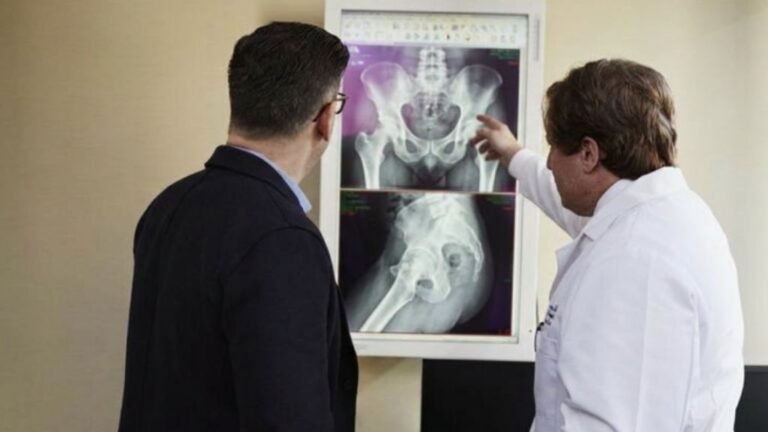
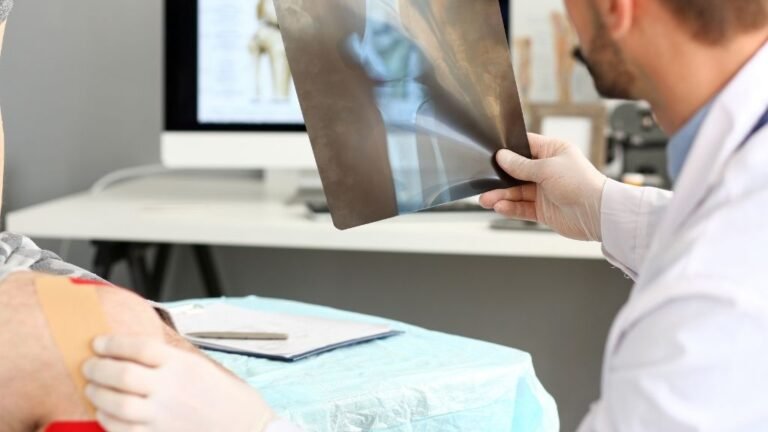
Imaging tests are often essential when planning surgery because they allow the specialist to assess the affected area in detail. For orthopedic procedures, X-rays or MRI scans may help evaluate joint damage, bone alignment, cartilage loss, fractures or previous implants.
For example, patients considering hip or knee replacement surgery should usually send recent imaging tests so the orthopedic team can assess the joint and understand the severity of the condition. For spine surgery, MRI or CT scans may be important to evaluate disc disease, nerve compression, spinal stenosis or other structural problems.
Whenever possible, patients should send both the written radiology report and the original imaging files. In many cases, images are shared through a digital link, CD, USB file or downloadable medical platform.
Medication, allergies and previous medical history
A complete medication and allergy list is important because it can influence surgical planning, anesthesia assessment and postoperative care. Patients should include all regular medication, including prescription drugs, over-the-counter medication and any anticoagulant or blood-thinning treatment.
Patients should also mention allergies to medication, latex, contrast agents or anesthesia, as well as any previous adverse reactions during surgery or hospital admission.
Previous medical history is also relevant. Conditions such as heart disease, high blood pressure, diabetes, respiratory disease, kidney disease or previous infections may require additional evaluation before surgery.
Documents needed for orthopedic surgery in Spain
For orthopedic and traumatology procedures, the medical team usually needs documents that show the diagnosis, imaging tests and functional limitations. This is especially important for patients considering joint replacement, sports injury surgery, spine surgery or complex musculoskeletal conditions.
| Type of document | Pourquoi est-ce important ? |
|---|---|
| Radiographies récentes | Help assess bone structure, joint damage, deformity or implant position. |
| MRI or CT scan | May be needed to evaluate soft tissues, discs, nerves, cartilage or complex anatomy. |
| Specialist report | Explains diagnosis, previous treatment and why surgery is being considered. |
| Previous surgery report | Important for revision surgery or patients with previous implants. |
| Medication and health history | Helps the team assess risk factors and prepare preoperative planning. |
Patients can also learn more about Les équipes d'orthopédie et de traumatologie de Ribera and the hospitals where international patients receive care in Spain.
Do your medical documents need to be translated?
Medical documents should be easy for the receiving medical team to understand. If the documents are not in English or Spanish, a translation may be helpful before the case is reviewed.
For many international patients, the most important documents to translate are the diagnosis, specialist reports, surgery reports, discharge summaries and imaging reports. Original imaging files, such as X-rays or MRI scans, should also be sent whenever available.
If patients are unsure whether translation is needed, they can send the available documents first. The international patient coordination team can advise whether additional information or clearer documentation is required.
Can you receive a treatment plan before travelling to Spain?
Yes. International patients can send their medical documents before travelling to Spain. Ribera Care International reviews each case and helps coordinate the appropriate specialist assessment so the patient can receive information about the proposed treatment pathway.
This process helps patients understand whether the requested surgery may be appropriate, what additional tests may be needed and how the hospital stay and recovery process may be planned.
Request a medical case review before travelling
Send us your medical reports and imaging tests. Ribera Care International will review your case and help you understand your surgery options, hospital care and recovery pathway in Spain.
How Ribera Care International supports patients before surgery
Ribera Care International supports patients travelling from abroad for planned private surgery in Spain. The team helps coordinate communication, documentation, specialist review and treatment planning before the patient travels.
This support is designed to help patients better understand their diagnosis, treatment options and next steps. It can also help the medical team identify missing information before the patient arrives in Spain.
Document review
The team reviews the medical information provided and identifies the most relevant documents for specialist assessment.
Specialist coordination
The case is directed to the appropriate medical team according to the patient’s diagnosis and treatment needs.
Clear next steps
Patients receive information about the proposed pathway, possible tests, hospital care and recovery planning.
Patients can also explore the Les hôpitaux Ribera en Espagne or request a deuxième avis médical before making a decision about surgery.
Common mistakes when sending medical documents
Some delays happen because the medical team receives incomplete, unclear or outdated information. Preparing a clear medical file can make the review process easier and more efficient.
Common mistakes include sending only a short description of symptoms without medical reports, sending images without the radiology report, forgetting to include medication, or not mentioning previous surgeries and chronic conditions.
Patients should also avoid sending documents in very low quality, screenshots that are difficult to read or files without dates. Clear documents with patient name, date and medical source are usually more useful for review.
Final checklist before travelling to Spain for surgery
Before travelling, international patients should make sure they have shared the most relevant medical documents and received clear instructions from the medical team.
- Medical reports sent.
- Imaging tests uploaded or shared.
- Medication list prepared.
- Allergies and previous reactions mentioned.
- Previous surgery reports included, if relevant.
- Chronic conditions explained.
- Preferred travel dates shared.
- Questions about surgery, hospital stay and recovery prepared.
Having these documents ready can help patients travel with more clarity and allow the medical team to prepare a safer and more personalized treatment plan.
Send your medical documents for review
Preparing the right medical documents before travelling to Spain can help the medical team understand your case and plan the most appropriate treatment pathway.
Send your medical reports and imaging tests to Ribera Care International. Our team will help coordinate your case review and guide you through the next steps before travelling for surgery in Spain.