Oogchirurgie kan voor veel patiënten intimiderend zijn, vooral als het om het gezichtsvermogen gaat. Voor internationale patiënten die een behandeling in het buitenland overwegen, kan het veel geruststellender zijn om te begrijpen waarom oogchirurgie wordt aanbevolen, welke procedures het meest voorkomen en hoe het proces eruit ziet. Spanje is een vertrouwde bestemming geworden voor oogchirurgie in Spanje dankzij de moderne technologie, ervaren specialisten en gestructureerde patiëntentrajecten. Bij Ribera Care International richt de oogheelkundige zorg zich op een duidelijke diagnose, de juiste chirurgische indicatie en realistische verwachtingen voor en na de behandeling.
Oogaandoeningen ontwikkelen zich vaak geleidelijk en veel mensen passen zich aan veranderingen in het gezichtsvermogen aan zonder zich te realiseren hoezeer dit hun dagelijks leven beïnvloedt. In dit artikel wordt uitgelegd wat de meest voorkomende oogoperaties zijn, wanneer ze nodig zijn en wat patiënten kunnen verwachten tijdens de behandeling.
Inzicht in oogchirurgie en oogheelkundige zorg
Oogheelkunde richt zich op de diagnose en behandeling van aandoeningen die het gezichtsvermogen, het oog en de omliggende structuren aantasten. Hoewel veel oogproblemen kunnen worden behandeld met een bril, contactlenzen of medicatie, is een operatie noodzakelijk wanneer het gezichtsvermogen dagelijkse activiteiten belemmert of wanneer structurele veranderingen in het oog niet op een conservatieve manier kunnen worden gecorrigeerd.
Oogchirurgie is niet een enkele procedure, maar een groep behandelingen die zijn ontworpen om verschillende problemen aan te pakken, zoals vertroebeling van de lens, refractieafwijkingen, netvliesaandoeningen of drukgerelateerde schade. Het doel is altijd om het gezichtsvermogen te verbeteren of te stabiliseren met behoud van de gezondheid van het oog.
Bij Ribera Care International wordt oogchirurgie in Spanje benaderd door middel van nauwkeurige diagnose, patiëntenvoorlichting en zorgvuldige selectie van chirurgische technieken. U kunt hier meer te weten komen over het volledige aanbod van oogheelkundige diensten: Oogheelkunde en oogchirurgie in Spanje.
Wanneer wordt een oogoperatie aanbevolen?
Een oogoperatie wordt meestal overwogen wanneer problemen met het gezichtsvermogen de levenskwaliteit, onafhankelijkheid of veiligheid beginnen aan te tasten. In veel gevallen merken patiënten symptomen lang voordat een operatie nodig is, maar stellen ze de behandeling uit omdat de veranderingen geleidelijk of beheersbaar aanvoelen.
Veel voorkomende redenen waarom een oogoperatie wordt aanbevolen, zijn
- Progressief gezichtsverlies dat niet meer gecorrigeerd wordt door een bril
- Wazig of troebel zicht dat het lezen of rijden beïnvloedt
- Verhoogde gevoeligheid voor licht of verblinding
- Moeite met dagelijkse taken zoals het herkennen van gezichten
- Structurele oogaandoeningen die onbehandeld verdere schade kunnen veroorzaken
De beslissing om over te gaan tot een operatie is altijd gebaseerd op een combinatie van symptomen, klinische bevindingen en de invloed van de veranderingen in het gezichtsvermogen op de dagelijkse activiteiten.
Meest voorkomende soorten oogchirurgie
Oogchirurgie omvat een breed scala aan procedures, elk gericht op specifieke visuele of structurele problemen. Hieronder staan de meest voorkomende operaties die patiënten ondergaan als ze een behandeling in het buitenland overwegen.
Staaroperatie
Cataractchirurgie is wereldwijd een van de meest uitgevoerde oogoperaties. Cataract ontstaat wanneer de natuurlijke ooglens troebel wordt, wat leidt tot wazig zicht, schittering en verminderd contrast.
Bij een staaroperatie wordt de troebele lens verwijderd en vervangen door een kunstlens. De ingreep is meestal snel en wordt uitgevoerd onder plaatselijke verdoving. Veel patiënten merken een verbeterde helderheid en helderheid na het herstel.
Voor een gedetailleerde uitleg over de procedure, het herstel en de resultaten op de lange termijn kun je dit gerelateerde artikel lezen: Cataractoperatie uitgelegd: Procedure, herstel en langetermijnresultaten.
Refractieve oogchirurgie
Refractieve oogchirurgie is bedoeld om zichtproblemen zoals bijziendheid, verziendheid of astigmatisme te corrigeren door het hoornvlies een nieuwe vorm te geven. Deze procedures verminderen of elimineren de noodzaak voor een bril of contactlenzen.
Refractiechirurgie kan worden overwogen als het gezichtsvermogen stabiel is en de oogstructuur aan specifieke criteria voldoet. Een grondige beoordeling bepaalt of een operatie geschikt is of dat alternatieve opties beter geschikt zijn.
Glaucoomchirurgie
Glaucoom tast de oogzenuw aan en houdt vaak verband met een verhoogde druk in het oog. Wanneer medicatie of laserbehandelingen onvoldoende zijn, kan chirurgisch ingrijpen helpen om de druk onder controle te houden en verdere schade te beperken.
Glaucoomchirurgie herstelt het verloren zicht niet, maar heeft als doel het resterende zicht te behouden. Een vroege diagnose en de juiste interventie zijn essentieel voor een gezond oog op de lange termijn.
Netvlieschirurgie
Netvlieschirurgie richt zich op aandoeningen van het netvlies, zoals netvliesloslating, maculaire problemen of complicaties door diabetes. Deze procedures zijn complexer en vereisen gespecialiseerde expertise en beeldvorming.
Een netvliesoperatie wordt meestal aanbevolen als er een risico op permanent gezichtsverlies bestaat als de behandeling wordt uitgesteld. Vroegtijdig ingrijpen kan helpen het gezichtsvermogen te stabiliseren en verdere achteruitgang te voorkomen.
Vergelijking van veelvoorkomende oogchirurgietypes
Om patiënten te helpen de verschillen tussen de procedures beter te begrijpen, geeft de onderstaande tabel een overzicht van de belangrijkste aspecten van veelvoorkomende oogoperaties.
| Type oogchirurgie | Hoofddoel | Wanneer het nodig is | Verwacht resultaat |
|---|---|---|---|
| Staaroperatie | Helder zicht herstellen | Bewolkte lens beïnvloedt dagelijks leven | Duidelijker, helderder zicht |
| Refractiechirurgie | Verminder de afhankelijkheid van een bril | Stabiele refractieafwijking | Verbeterd gezichtsvermogen zonder hulpmiddelen |
| Glaucoomoperatie | Oogdruk controleren | Medicatie onvoldoende | Behoud van het resterende gezichtsvermogen |
| Netvlieschirurgie | Schade aan het netvlies behandelen | Risico op gezichtsverlies | Stabilisatie van het gezichtsvermogen |
Dit overzicht helpt verduidelijken dat elke procedure een ander doel en verwacht resultaat heeft, afhankelijk van de onderliggende aandoening.
Wat u kunt verwachten vóór een oogoperatie
Voor een oogoperatie ondergaan patiënten een uitgebreide oogheelkundige evaluatie. Dit omvat het testen van de gezichtsscherpte, beeldvorming van de oogstructuren en metingen die nodig zijn om de procedure nauwkeurig te plannen.
Patiënten kunnen verwachten:
- Een gedetailleerde uitleg van de diagnose
- Bespreking van beschikbare behandelingsopties
- Duidelijke richtlijnen voor voorbereiding op de operatie
- Antwoorden op veelvoorkomende zorgen over veiligheid en herstel
Voor internationale patiënten coördineert Ribera Care International diagnostische tests en consulten efficiënt, waardoor de wachttijden korter worden en het proces eenvoudiger.
Wat gebeurt er tijdens een oogoperatie?
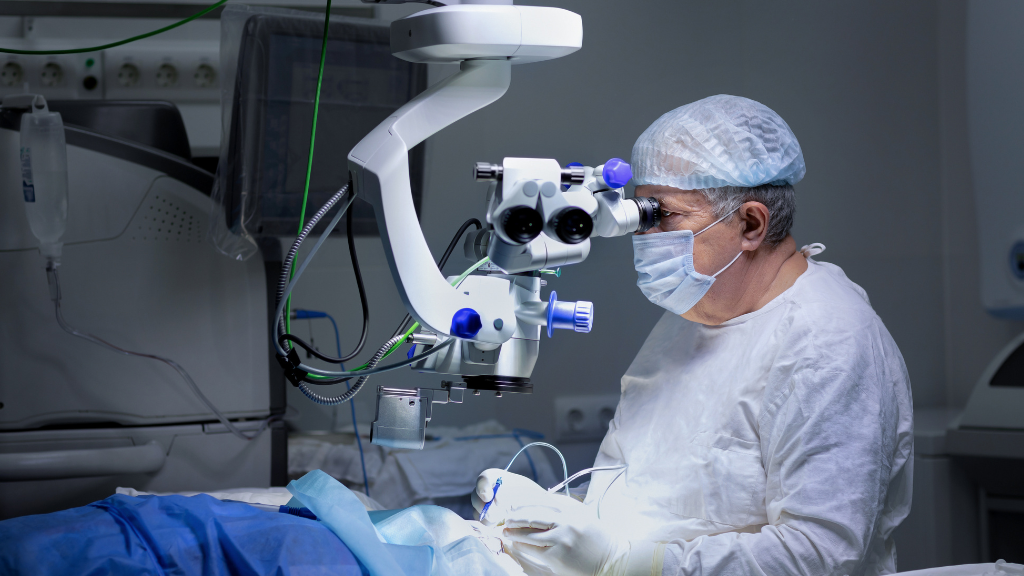
De meeste oogoperaties worden uitgevoerd onder plaatselijke verdoving en vereisen geen overnachting in het ziekenhuis. Patiënten blijven wakker maar voelen zich op hun gemak en de ingreep zelf is meestal kort.
Tijdens de operatie:
- Het oog wordt zorgvuldig geprepareerd en gestabiliseerd
- De chirurg voert de geplande procedure uit met precisie-instrumenten
- Het zicht kan onmiddellijk daarna tijdelijk wazig zijn
Patiënten worden meestal dezelfde dag nog ontslagen met duidelijke postoperatieve instructies.
Herstel en nazorg na een oogoperatie
Het herstel varieert afhankelijk van het type oogoperatie dat is uitgevoerd. Bij sommige ingrepen kunnen patiënten hun normale activiteiten snel hervatten, terwijl andere ingrepen een meer geleidelijke herstelperiode vereisen.
Algemene richtlijnen voor herstel zijn onder andere:
- Voorgeschreven oogdruppels gebruiken
- Vermijden om in de ogen te wrijven of er druk op uit te oefenen
- Vervolgafspraken bijwonen
- Het oog beschermen tegen irritatie
De meeste patiënten merken een geleidelijke verbetering van het gezichtsvermogen naarmate de genezing voortschrijdt. Duidelijke communicatie tijdens deze fase helpt om verwachtingen te managen en eventuele problemen vroegtijdig te identificeren.
Risico's en overwegingen
Zoals elke medische ingreep brengt een oogoperatie potentiële risico's met zich mee. Deze kunnen bestaan uit tijdelijk ongemak, ontstekingen of veranderingen in het gezichtsvermogen tijdens de genezing. Ernstige complicaties komen zelden voor, maar worden van tevoren besproken zodat patiënten weloverwogen beslissingen kunnen nemen.
De rol van het medische team is om te beoordelen of de voordelen van een operatie opwegen tegen de risico's voor elk individueel geval. Bij Ribera Care International staan patiëntenvoorlichting en transparantie centraal in dit proces.
Waarom internationale patiënten Spanje kiezen voor oogchirurgie
Spanje wordt steeds vaker gekozen voor oogchirurgie vanwege de combinatie van moderne faciliteiten, ervaren oogartsen en patiëntgerichte zorg. Internationale patiënten profiteren van gestructureerde behandeltrajecten, duidelijke communicatie en gecoördineerde follow-up.
Ribera Care International ondersteunt patiënten tijdens het hele traject, van de eerste beoordeling tot de postoperatieve zorg, en zorgt zo voor continuïteit, ook na thuiskomst.
Veelgestelde vragen over oogchirurgie
Is oogchirurgie veilig voor internationale patiënten?
Hoe weet ik of ik een oogoperatie nodig heb?
Is herstel pijnlijk na een oogoperatie?
Kan ik kort na een oogoperatie naar huis reizen?
Biedt Ribera Care International verschillende soorten oogchirurgie?
Als je een oogoperatie in Spanje overweegt en een persoonlijke beoordeling wilt, kun je contact opnemen met Ribera Care International om duidelijke begeleiding en behandelingsopties op maat te krijgen.