Orthopedic surgery in Spain has become a leading choice for international patients seeking advanced treatment, shorter waiting times, and personalized care. Whether you are living with chronic joint pain, recovering from a sports injury, or facing significant loss of mobility, selecting the right hospital for orthopedic surgery is one of the most consequential decisions in your treatment journey.
Through Ribera Care International, patients from across the world gain access to modern private hospitals in Spain, multidisciplinary orthopedic teams, and comprehensive recovery programs, with dedicated guidance at every stage of the process.
Why do patients choose Spain for orthopedic surgery?
- Faster access to specialist consultations and surgery dates
- Highly trained orthopedic surgeons with subspecialty expertise
- Minimally invasive techniques and computer-assisted surgery
- Integrated rehabilitation within the same centre
- Multilingual international patient departments
- Excellent international connectivity from the UK, Ireland, and Europe
Why Spain Has Become a Leading Destination for Orthopedic Surgery
Spain’s healthcare system is consistently ranked among the strongest in the world. Its private medical facilities combine European standards of care with streamlined access to treatment, a combination that is particularly valuable for patients facing long waiting lists at home.
International patients travel to Spain for a wide range of orthopedic procedures, including hip replacement, knee replacement, shoulder surgery, and spine surgery. Several factors drive this trend:
- Significantly reduced waiting times compared to public healthcare systems in many countries
- Access to orthopedic surgeons with subspecialty training in joint replacement, sports medicine, and spine
- Advanced surgical technology, including robotic-assisted and computer-guided techniques
- Minimally invasive approaches that reduce tissue damage and accelerate recovery
- Integrated physiotherapy and rehabilitation programs within the same facility
- International patient departments offering multilingual coordination and support
- Excellent transport links and recovery infrastructure for patients travelling from abroad
For patients living with persistent pain or reduced mobility, earlier access to surgery can have a direct impact on quality of life, function, and long-term recovery outcomes.
What Makes a Hospital One of the Best for Orthopedic Surgery?
When choosing a hospital abroad, reputation alone is not enough. International patients should evaluate several key factors before making a decision.
1. Dedicated Orthopedic and Traumatology Department
Hospitals with a specialist orthopedic unit, rather than a general surgery department, are better equipped to provide a focused pathway for diagnosis, surgical planning, rehabilitation, and follow-up. This structure is particularly important for complex procedures such as:
- Total and partial hip replacement
- Total and partial knee replacement
- Shoulder replacement and rotator cuff repair
- ACL reconstruction and meniscus surgery
- Minimally invasive spine surgery
- Sports injury treatment and arthroscopy
2. Multidisciplinary Care Model
Orthopedic recovery involves far more than the operation itself. The most effective hospitals coordinate orthopedic surgeons, anesthesiologists, physiotherapists, rehabilitation specialists, radiologists, and pain management professionals within a single, integrated treatment pathway. This approach improves communication between clinical teams, supports more accurate treatment planning, and leads to better patient outcomes.
3. Advanced Surgical Techniques
Leading orthopedic centres in Spain use minimally invasive techniques wherever clinically appropriate. These approaches aim to minimize tissue damage, reduce postoperative pain, and shorten both hospital stays and overall recovery time. Examples include:
- Arthroscopic surgery for joints and soft tissue
- Minimally invasive hip and knee replacement
- Computer-assisted and robotic-guided surgery
- Enhanced Recovery After Surgery (ERAS) protocols
4. Integrated Rehabilitation Services
Rehabilitation is not a secondary step, it is integral to the success of orthopedic surgery. Hospitals that provide structured physiotherapy and recovery programs within the same centre allow for more consistent, medically supervised progress. This is especially relevant after hip replacement, knee replacement, shoulder surgery, and spinal procedures.

Most Common Orthopedic Procedures for International Patients in Spain
Orthopedic surgery addresses conditions that affect the musculoskeletal system, bones, joints, ligaments, tendons, and muscles. The following procedures are among the most frequently requested by international patients.
Hip Replacement Surgery (Total and Partial)
Hip replacement is one of the most common orthopedic procedures performed for international patients in Spain. It is typically recommended when hip osteoarthritis or joint damage causes persistent pain, stiffness, and difficulty with everyday activities such as walking or climbing stairs.
Modern hip replacement techniques aim to reduce pain, restore mobility, and support independence. Many patients choose Spain to access surgery and begin rehabilitation sooner than they would be able to through their home healthcare system.
Knee Replacement Surgery (Total and Partial)
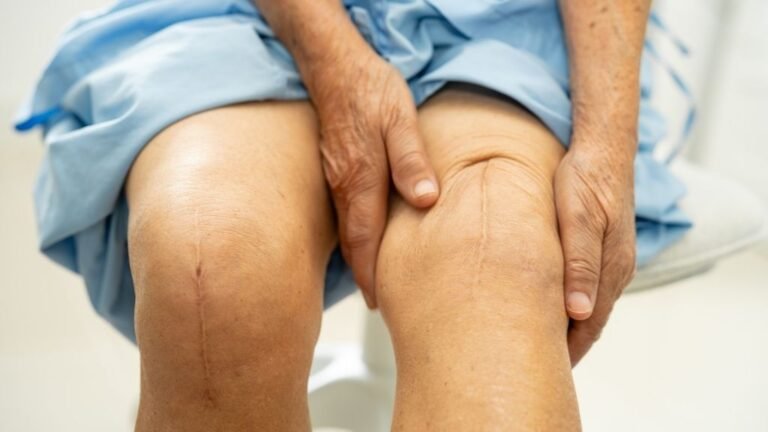
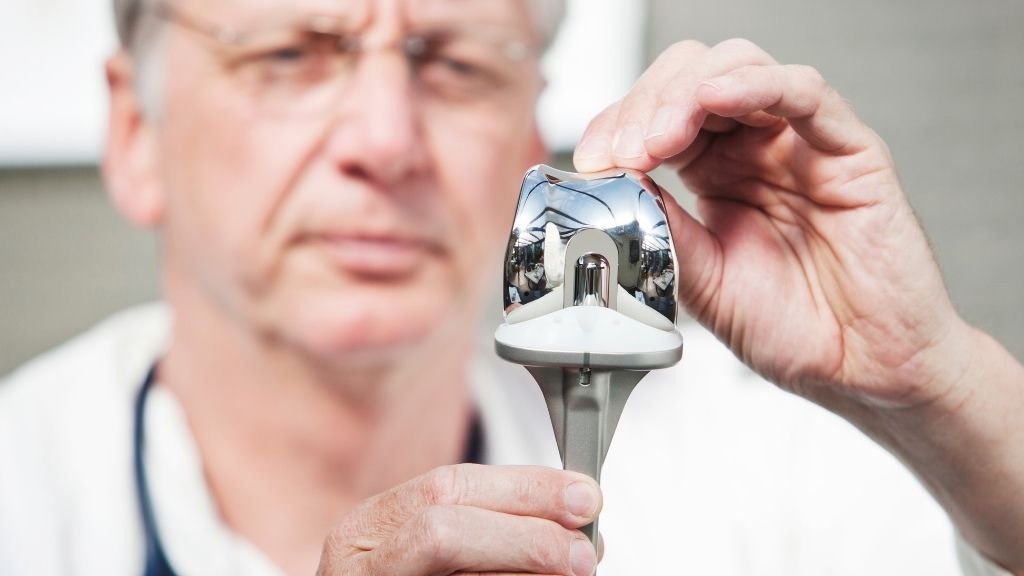
Knee replacement surgery is indicated for patients with advanced knee osteoarthritis or significant joint damage who have not found sufficient relief from conservative treatments such as physiotherapy, injections, or anti-inflammatory medication.
Depending on the extent of damage, patients may be candidates for total or partial knee replacement. Recovery programs typically incorporate physiotherapy, mobility training, and progressive return to daily activities.
Shoulder Surgery
Shoulder procedures treated at specialist orthopedic centres in Spain include rotator cuff tears, shoulder arthritis, recurrent dislocations, and sports injuries. Arthroscopic techniques are widely used where appropriate, reducing postoperative discomfort and supporting faster recovery.
Spine Surgery
Spinal conditions such as herniated discs, spinal stenosis, and degenerative disc disease may require surgical intervention when conservative management no longer provides adequate relief. Many hospitals in Spain now offer minimally invasive spine surgery techniques, which aim to reduce hospital stay, minimize tissue disruption, and improve recovery trajectories.
Orthopedic Surgery in Spain vs Public Waiting Lists
One of the most commonly cited reasons for seeking orthopedic surgery abroad is the length of waiting lists within public healthcare systems. In countries such as the United Kingdom and Ireland, patients awaiting hip replacement or knee replacement through the public system may face delays of many months, sometimes longer.
| Challenge at Home | What Spain Offers |
|---|---|
| Extended waiting times for specialist consultation | Faster access to orthopedic evaluation |
| Delayed surgical dates | Earlier surgery scheduling |
| Limited rehabilitation integration | On-site physiotherapy from day one |
| Reduced quality of life while waiting | Sooner return to mobility and independence |
| Language barriers rare but access limited | Multilingual international patient teams |
For patients experiencing chronic pain, difficulty sleeping, or significant loss of independence, these delays have a meaningful impact on daily life. Private orthopedic surgery in Spain may allow patients to access specialist consultations sooner, receive surgery more quickly, and begin structured rehabilitation earlier, all of which can influence overall recovery outcomes.
Why International Patients Choose Ribera IMSKE
Ribera IMSKE is the specialist orthopedic, traumatology, sports medicine, and rehabilitation centre within the Ribera healthcare group. It offers a clinically focused approach that extends beyond the surgical procedure itself, addressing every phase of the patient journey: diagnosis, surgical treatment, rehabilitation, and long-term functional recovery.
What Ribera IMSKE offers international patients:
- Specialist orthopedic surgeons with subspecialty expertise
- Advanced and minimally invasive surgical techniques
- Integrated physiotherapy and rehabilitation programs
- Coordinated care from initial consultation through recovery
- Multilingual support from the international patient team
- Follow-up guidance after returning home
Patients who travel through Ribera Care International receive end-to-end support, including:
- Medical case review and specialist evaluation before travel
- Treatment planning with clear timelines and recovery expectations
- Assistance with appointment scheduling and travel logistics
- Multilingual communication throughout the process
- Structured follow-up guidance after returning home
How to Choose the Right Orthopedic Hospital in Spain
Selecting a hospital abroad can feel complex. Asking the right questions at the outset helps patients make a more confident and informed decision.
Questions to Ask Before Choosing a Hospital
- Does the hospital have a dedicated orthopedic and traumatology department?
- Is rehabilitation integrated into the treatment pathway, not outsourced?
- Does the hospital have a track record of treating international patients?
- Are minimally invasive surgical techniques available for my procedure?
- What follow-up support is available after I return home?
- Will I be able to communicate in English (or my preferred language) throughout?
Patients should also feel confident asking for a second medical opinion, detailed explanations of treatment options, realistic recovery expectations, and transparent information about possible risks and rehabilitation timelines. A reputable hospital will welcome these questions.
Planning Orthopedic Surgery in Spain: Step by Step
The process of organizing surgery in Spain is generally more structured and straightforward than many patients expect. Here is what a typical patient journey looks like through Ribera Care International:
- Initial medical review: patients share their medical reports, imaging (MRI, CT, X-rays), and previous treatment history for specialist evaluation.
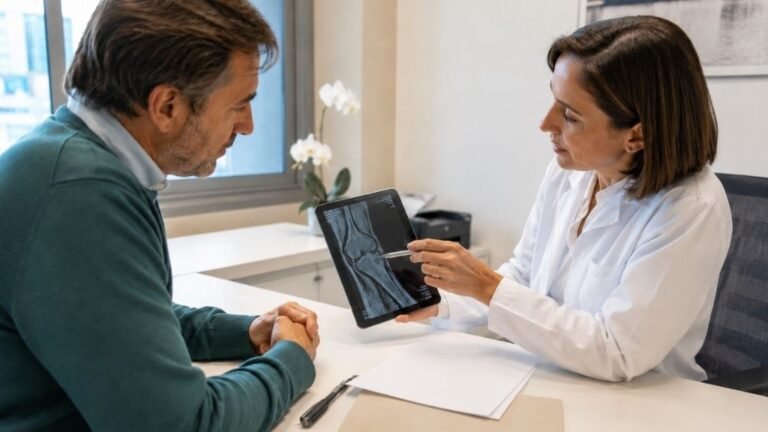
- Specialist assessment: an orthopedic surgeon reviews the case and recommends the most appropriate surgical and treatment options.
- Treatment plan: patients receive a clear plan covering recommended surgery, expected recovery timeline, estimated hospital stay, and rehabilitation process.
- Travel and surgery coordination: the international patient team manages appointment scheduling, logistics, and pre-arrival communication.
- Surgery and in-hospital recovery: care is provided by the multidisciplinary orthopedic team, with physiotherapy beginning as early as clinically indicated.
- Post-surgery follow-up: structured guidance supports continued rehabilitation at home after discharge, with remote follow-up as required.
Frequently Asked Questions About Orthopedic Surgery in Spain
Why do international patients choose Spain for orthopedic surgery?
Which orthopedic procedures are most commonly performed for international patients?
Is rehabilitation included after orthopedic surgery in Spain?
Can I get a second medical opinion before deciding to travel?
How long will I need to stay in Spain after orthopedic surgery?
How does Ribera Care International support patients throughout the process?
Exploring Orthopedic Surgery in Spain?
If you are considering hip replacement, knee replacement, shoulder surgery, or spinal treatment, our international patient team is here to guide you, from your first enquiry through to your return home.