
Knee pain can affect everyday activities such as walking, climbing stairs or exercising. One of the most common causes of persistent knee discomfort is a torn meniscus, a condition that can develop after sports injuries, sudden twisting movements or gradual wear of the knee joint. When symptoms persist, many patients begin researching meniscus tear surgery to understand their treatment options.
In many cases, minimally invasive procedures such as knee arthroscopy surgery can help restore knee function and reduce pain. This guide explains the symptoms of a meniscus tear, when surgery may be recommended, how arthroscopic meniscus surgery works and what patients can expect during recovery.
What Is the Meniscus and Why Is It Important?
The meniscus is a piece of cartilage located inside the knee joint that helps protect and stabilize the knee during movement. Each knee contains two menisci that act as natural cushions between the thigh bone (femur) and the shin bone (tibia).
These cartilage structures play several essential roles in maintaining healthy knee function:
- absorbing shock during walking, running and physical activity
- stabilizing the knee joint during movement
- distributing body weight evenly across the knee
When a meniscus tear occurs, this cushioning system may no longer work effectively. As a result, the knee can lose some of its stability and shock absorption, which may lead to pain, swelling and difficulty moving the joint.
A torn meniscus is one of the most common knee injuries. It frequently affects athletes and physically active individuals, but it can also occur gradually in adults due to age-related cartilage degeneration or wear of the knee joint.
Meniscus Tear Symptoms: When to Seek Medical Evaluation
Recognizing meniscus tear symptoms early can help prevent further damage to the knee. Common signs of a torn meniscus include:
- knee pain, especially when twisting or rotating the knee
- swelling around the knee joint
- stiffness or limited range of motion
- a clicking or locking sensation in the knee
- difficulty fully straightening the leg
Some patients also report knee pain while walking or instability when standing or changing direction. Symptoms may appear immediately after an injury or gradually develop over time. If knee discomfort persists, a medical evaluation is recommended to determine whether a meniscus tear diagnosis is present.
What Causes a Torn Meniscus?
A meniscus tear can occur for different reasons depending on age, lifestyle and activity level.
Sports-related injuries
Athletes frequently experience torn meniscus injuries during sports that involve:
- sudden changes of direction
- pivoting movements
- deep knee bending
Sports such as football, basketball and skiing often involve these types of movements.
Degenerative meniscus tears
In older adults, meniscus damage can occur gradually due to wear of the knee cartilage. Even minor movements or everyday activities may lead to a tear in weakened cartilage. Degenerative meniscus tears are often associated with osteoarthritis of the knee.
How Is a Meniscus Tear Diagnosed?
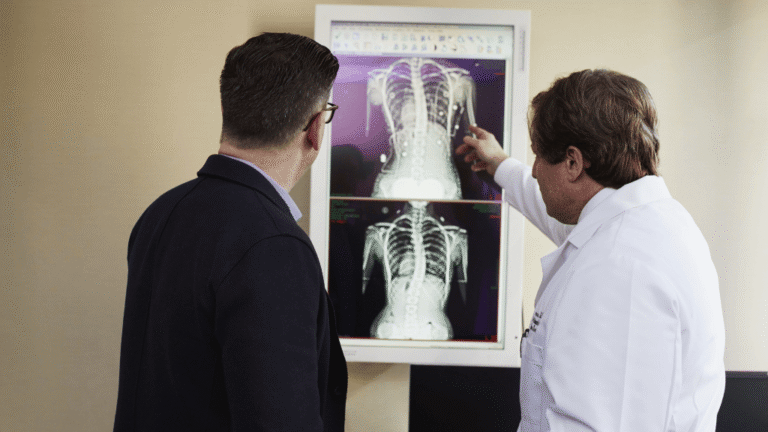
Diagnosing a torn meniscus usually involves a combination of clinical evaluation and imaging tests.
Doctors typically begin with a physical examination to assess knee movement, pain points and stability. If a meniscus injury is suspected, imaging tests may be recommended.
Common diagnostic methods include:
- MRI scans to visualize soft tissues in the knee joint
- X-rays to rule out bone-related problems
- clinical tests to evaluate joint movement
These evaluations help determine the location and severity of the meniscus tear and guide treatment decisions.
Meniscus Tear Treatment Options
Not every meniscus injury requires surgery. The most appropriate meniscus tear treatment depends on several factors, including the size and location of the tear, the patient’s activity level and the severity of symptoms.
In many cases, doctors initially recommend conservative treatment to reduce pain and support knee healing. However, when symptoms persist or the knee remains unstable, meniscus tear surgery may be considered.
| Treatment Approach | When It Is Recommended | Typical Treatments |
|---|---|---|
| Non-surgical treatment | Small or stable meniscus tears with mild symptoms | Rest and activity modification Anti-inflammatory medication Physiotherapy to strengthen knee muscles |
| Surgical treatment | Persistent pain, knee locking or instability | Knee arthroscopy surgery Meniscus repair Removal of the damaged cartilage fragment |
When Is Meniscus Surgery Recommended?
Doctors may recommend arthroscopic meniscus surgery in the following situations:
- The knee locks or catches during movement
- El dolor persiste a pesar del tratamiento conservador
- The tear affects knee stability
- The patient wishes to return to sports or physical activity
In these cases, knee arthroscopy surgery allows surgeons to repair or remove the damaged portion of the meniscus using minimally invasive techniques that help preserve healthy cartilage.
What Is Knee Arthroscopy Surgery?
Knee arthroscopy surgery is a minimally invasive technique used to treat several knee conditions, including meniscus tears.
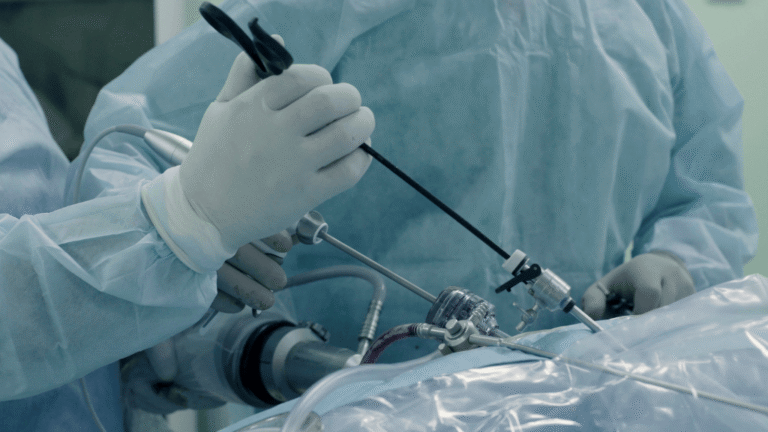
During arthroscopic meniscus surgery, surgeons use a small camera called an arthroscope inserted through tiny incisions around the knee. This camera allows the surgical team to visualize the inside of the joint and perform precise repairs. Depending on the type of tear, the surgeon may:
- repair the meniscus by stitching the damaged cartilage
- remove the torn portion of the meniscus
- smooth damaged cartilage to improve joint movement
Because the procedure is minimally invasive, knee arthroscopy recovery is usually faster than traditional open surgery.
Meniscus Tear Surgery in Spain for International Patients
Many patients from Ireland, the UK and other European countries explore options for knee surgery in Spain due to access to specialized orthopedic teams and shorter waiting times.
Hospitals working with Ribera Care International provide coordinated care for international patients seeking treatment abroad. The international care team helps guide patients through each stage of the process, from initial consultation to postoperative recovery. Patients considering surgery abroad often appreciate having support with:
- medical evaluations and consultations
- coordination of surgery dates
- recovery planning before returning home
This integrated approach helps patients feel supported throughout their treatment journey.
Meniscus Surgery Recovery Time
One of the most common questions patients ask is about meniscus surgery recovery time. Recovery can vary depending on the type of procedure performed and the patient’s overall health. In general, minimally invasive arthroscopic surgery allows for faster healing compared with more complex knee procedures.
Early recovery phase
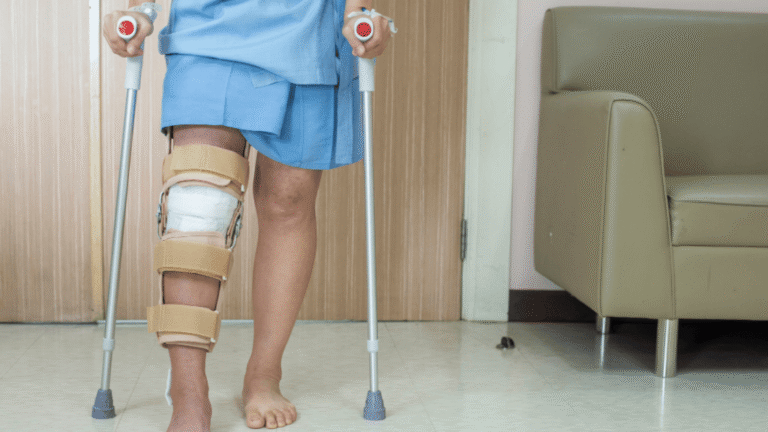
In the first days after surgery, patients may experience mild swelling and temporary discomfort around the knee. Doctors usually recommend gentle movement to support circulation.
Typical early recovery recommendations include:
- keeping the leg elevated when resting
- applying ice to reduce swelling
- walking short distances with support if needed
Gradual return to activity
As healing progresses, patients typically increase activity levels under medical guidance.
Physiotherapy may be recommended to help:
- strengthen knee muscles
- restore mobility
- improve joint stability
Full recovery varies from patient to patient, and careful follow-up helps ensure safe healing and long-term knee function.
Other Orthopedic Procedures Available for International Patients
Patients who seek treatment for knee injuries often explore other orthopedic procedures that can help improve mobility, reduce chronic pain and restore joint function. Specialized hospitals in Spain provide a wide range of advanced treatments for conditions affecting the hip, knee and shoulder, particularly for patients experiencing joint degeneration or long-term joint damage.
Hip and Knee Replacement Surgery
Individuals with advanced osteoarthritis or severe cartilage deterioration may benefit from procedures such as cirugía de reemplazo de cadera o cirugía de reemplazo de rodilla. These treatments are designed to relieve persistent joint pain, improve joint mobility and help patients return to daily activities when conservative therapies are no longer effective.
Joint replacement surgery is commonly recommended when cartilage damage leads to chronic pain, stiffness or reduced mobility that significantly affects quality of life.
Shoulder Surgery for Joint Injuries
In addition to knee treatments, cirugía de hombro is also frequently performed to address injuries affecting the shoulder joint. These may include rotator cuff tears, joint instability or cartilage damage.
These conditions can limit arm movement, cause persistent discomfort and interfere with everyday activities such as lifting objects, exercising or performing overhead movements.
Orthopedic Care for International Patients in Spain
For international patients considering cirugía ortopédica in Spain, access to specialized surgical teams and coordinated care can make the treatment process smoother and more reassuring. A comprehensive evaluation, personalized treatment plan and structured postoperative follow-up are essential elements that support recovery and long-term joint health.
FAQ about Meniscus Tear Surgery
What are the most common symptoms of a meniscus tear?
Do all meniscus tears require surgery?
What is knee arthroscopy surgery?
How long does recovery from meniscus surgery take?
Can international patients receive meniscus surgery in Spain?
Considering Meniscus Tear Treatment in Spain?
If you are experiencing persistent knee pain or suspect a meniscus injury, seeking medical evaluation can help determine the best treatment approach.
Minimally invasive procedures such as knee arthroscopy surgery can help restore knee function and reduce discomfort for many patients. For international patients exploring treatment options abroad, specialized hospitals in Spain offer coordinated care and support throughout the medical journey.
To learn more about available treatments or speak with the international care team, contact Ribera Care International through the contact form below: