Living with persistent hemorrhoids can significantly affect daily comfort, sleep, and overall quality of life. If you are researching hemorrhoid surgery in Spain, you are likely looking for an effective solution that offers symptom relief with a safe and manageable recovery. Modern surgical techniques have evolved considerably, allowing treatment to be more precise and less invasive than in the past.
For many international patients from Ireland, the UK, and other European countries, access to timely specialist care is a key concern. Spain has become an increasingly attractive destination for private surgical treatment, combining experienced colorectal teams, modern facilities, and shorter waiting times.
This article explains when hemorrhoid surgery is recommended, what modern techniques involve, and what recovery typically looks like when choosing surgery in Spain.
What Are Hemorrhoids and When Is Surgery Needed?
Hemorrhoids are swollen veins located in the lower rectum or around the anus. They may be internal (inside the rectum) or external (under the skin around the anus). Although many patients improve with dietary adjustments, fibre intake, topical treatments, and medication, others continue to experience persistent or worsening symptoms that affect daily comfort.
When conservative hemorrhoid treatment is no longer effective, surgical evaluation may be recommended. Hemorrhoid surgery in Spain is often considered by international patients seeking timely access to specialist colorectal care.
Common symptoms that may indicate the need for surgical treatment include:
- Bleeding during bowel movements
- Persistent pain or discomfort
- Itching or irritation
- Prolapse (hemorrhoids that protrude outside the anus)
In moderate to severe cases, modern hemorrhoid surgery can provide durable symptom relief and significantly improve quality of life, particularly when performed in experienced surgical centres.
Modern Hemorrhoid Surgery Techniques
Colorectal surgery has advanced considerably in recent years. Today, treatment is tailored to the grade and severity of the condition, allowing surgeons to choose the most appropriate and least invasive approach whenever possible.
Modern surgical options may include:
- Conventional hemorrhoidectomy
- Stapled hemorrhoidopexy
- Doppler-guided hemorrhoidal artery ligation
- Minimally invasive procedures for selected cases
The decision depends on the type of hemorrhoids, degree of prolapse, previous treatments, and overall patient health.
Hemorrhoidectomy vs Minimally Invasive Techniques: What’s the Difference?
When evaluating hemorrhoid surgery options, patients often want to understand how traditional surgical removal compares with newer minimally invasive approaches.
| Feature | Traditional Hemorrhoidectomy | Minimally Invasive Techniques |
|---|---|---|
| Procedure type | Surgical removal of hemorrhoidal tissue | Targeted treatment of blood supply or repositioning tissue |
| Incisions | External surgical removal | Often internal approach with limited tissue disruption |
| Post-operative discomfort | May be more significant during early recovery | Often reduced in selected patients |
| Hospital stay | Usually short | Usually short |
| Suitable for | Advanced, large, or recurrent hemorrhoids | Selected cases depending on grade and anatomy |
Both techniques are effective. The most appropriate treatment depends on individual assessment by a colorectal specialist.
Hemorrhoid Surgery in Spain: Why International Patients Consider It
In some countries, access to specialist colorectal surgery may involve extended waiting times. Persistent bleeding, discomfort, or prolapse can significantly affect daily activities and wellbeing.
Choosing hemorrhoid surgery in Spain offers several advantages:
- Faster access to specialist consultation
- Modern surgical facilities
- Clear communication in English
- Structured care pathways for international patients
At Ribera Care International, treatment planning is coordinated from the first medical review through to post-operative follow-up guidance, ensuring continuity of care once patients return home.
What Happens During Hemorrhoid Surgery?
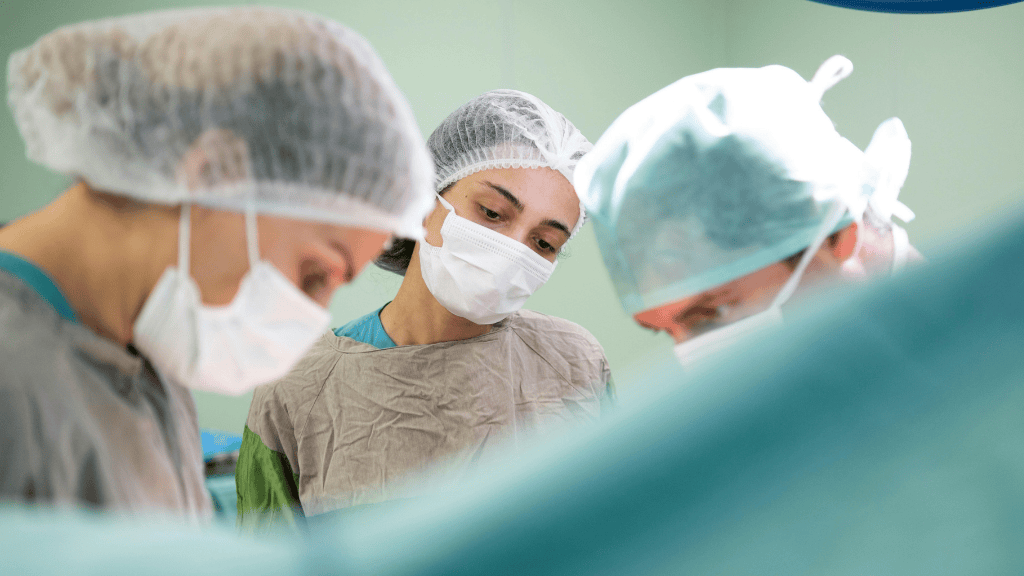
The procedure is performed under regional or general anaesthesia, depending on the selected technique and the patient’s overall health profile. The colorectal surgeon determines the most appropriate approach following a personalised assessment.
During hemorrhoid surgery, the typical steps include:
- Careful identification of the affected hemorrhoidal tissue
- Targeted treatment or removal using the chosen surgical technique
- Precise control of bleeding
- Post-operative monitoring before discharge
Most hemorrhoid surgery procedures are completed within a relatively short timeframe. In many cases, hospital stay in Spain is brief, allowing patients to return to their accommodation shortly after recovery from anaesthesia, depending on medical evaluation.
Recovery After Hemorrhoid Surgery
Recovery time depends on the technique used and individual healing capacity. Understanding what to expect helps patients plan their return home.
After surgery, patients may experience:
- Mild to moderate discomfort
- Temporary changes in bowel habits
- Sensitivity during the first days
General recovery recommendations include maintaining hydration, following a fiber-rich diet, avoiding straining, and adhering strictly to post-operative instructions.
While minimally invasive techniques may allow a faster return to daily activities, complete healing varies from person to person.
Long-Term Results and Benefits
The goal of hemorrhoid surgery is to provide durable relief from symptoms such as bleeding, prolapse, and Chronic irritation and recurrent symptoms can significantly affect daily comfort and confidence. The aim of hemorrhoid surgery is to provide long-term relief by addressing the underlying structural problem.
Potential long-term benefits include:
- Resolution of recurrent bleeding
- Improved comfort during bowel movements
- Reduction or elimination of prolapse
- Enhanced overall quality of life
Although surgical treatment corrects the anatomical cause of advanced hemorrhoids, maintaining healthy bowel habits, including adequate fibre intake and hydration, remains essential for long-term wellbeing and symptom prevention.
Receiving Private Hemorrhoid Surgery in Spain
Many European patients consider private surgery in Spain when they seek reduced waiting times, experienced surgical teams, and personalised attention.
Ribera Care International coordinates access to general surgery in Spain within a broader network that also includes orthopedics and traumatology, spinal surgery, cardiology, and ophthalmology services when needed.
This integrated approach can provide reassurance for patients travelling internationally.
Frequently Asked Questions about Hemorrhoid Surgery in Spain
Is hemorrhoid surgery very painful?
How long does hemorrhoid surgery recovery take?
Can hemorrhoids return after surgery?
Can I travel for hemorrhoid surgery in Spain?
Can I receive hemorrhoid surgery in Spain through Ribera Care International?
Why Consider Spain for Colorectal Surgery?
Spain is recognised for advanced surgical care across multiple specialties. From general surgery to orthopedics and spinal surgery, structured international pathways are well established.
If you are experiencing persistent hemorrhoid symptoms and are considering surgery, specialist evaluation is the first step toward informed decision-making.
To learn more, contact the international patient team through our contact form.
This article is for informational purposes only and should not replace professional medical advice. Always consult a qualified specialist regarding your individual case.